
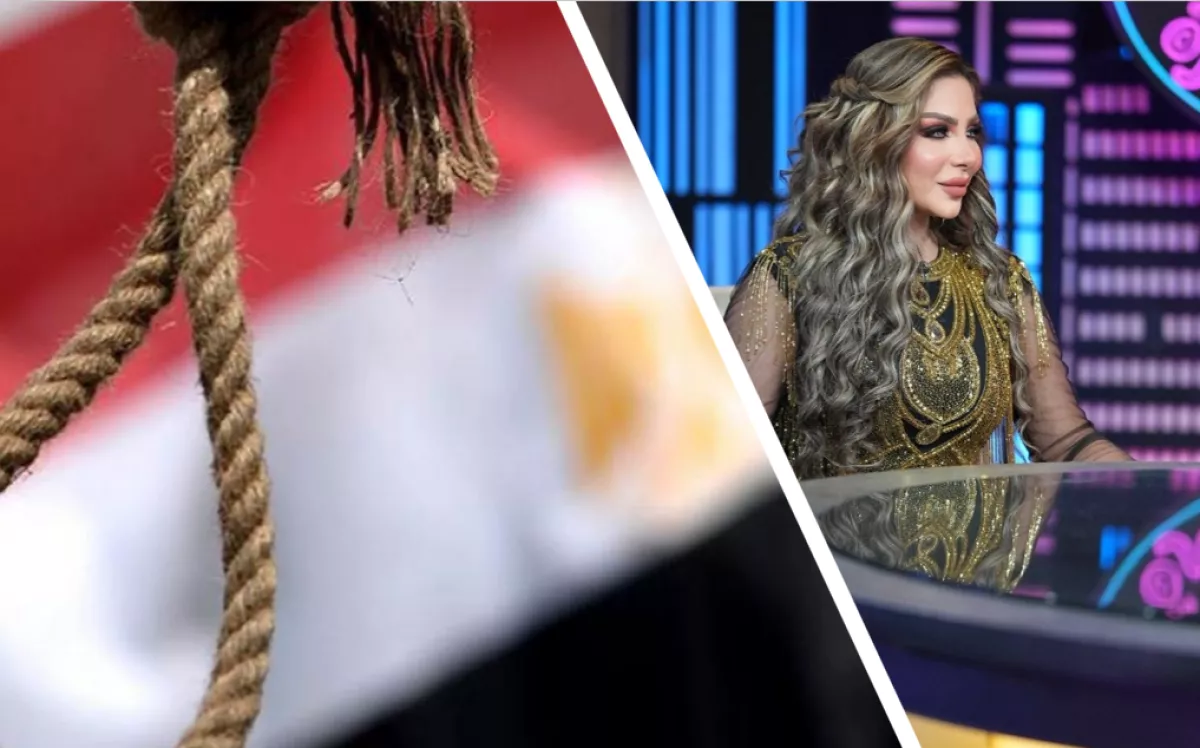
An Egyptian court has recently handed down a death sentence to a prominent television presenter, alongside 11 other individuals, for their involvement in a significant drug trafficking ring. This pivotal case has sparked considerable media attention and raised questions about the severity of penalties attached to drug-related offenses in Egypt.
Details of the Case
On September 6, the Cairo Criminal Court delivered its ruling, as reported by Egyptian state media and outlets like Al Jazeera. Prosecutors accused the defendants of establishing an organized crime syndicate that procured overseas materials necessary for manufacturing synthetic narcotics. Evidence presented in court revealed that the group had divided their tasks, with designated roles for procurement, production, and distribution. Furthermore, investigators uncovered unlicensed firearms and ammunition linked to the narcotics operation, which amplified the gravity of their crimes.
The court’s decision followed a mandatory procedure requiring the case to be referred to Egypt’s Grand Mufti for a non-binding religious opinion, a step necessary in capital punishment cases. This aspect of the judicial process underscores the intertwining of legal and cultural practices in Egypt. Those sentenced have the right to appeal the court’s ruling through the Court of Cassation, and recent judicial reforms now provide two pathways for defendants seeking to challenge their sentences.
The Protagonist: Khalifa, the Television Presenter
The convicted television presenter, 39-year-old Khalifa, was apprehended during the investigation in April 2025. Known for her work on “Mission Impossible,” a show focused on security and criminal issues aired on Al-Mehwar TV, she enjoyed a significant following on social media, with over two million Instagram followers. In addition to her television career, Khalifa operated several businesses, including a cosmetic surgery clinic and an event-planning service.
Despite the severe accusations, Khalifa has vehemently denied the charges, asserting her innocence and claiming she has “never smoked a cigarette in my life.” Her public declaration of innocence highlights the controversial nature of the case and raises questions about the fairness of the legal proceedings.
The Broader Context of Drug Offenses in Egypt
In total, 28 people were implicated in this extensive drug case, with the court issuing life sentences to nine others and acquitting seven individuals. The sheer volume of narcotics involved—over 750 kilograms—illustrates the scale of the drug trafficking operation and its implications for societal safety.
Egypt remains one of the 55 nations that uphold the death penalty, particularly for drug-related crimes, terrorism, and premeditated murder. Notably, while many countries have ceased executions for years, Egypt’s legal system executed at least 15 people in 2025, including one woman. This ongoing use of capital punishment raises significant ethical and human rights discussions within the context of global judicial practices.
By examining this case, it becomes evident that Egypt’s approach to drug-related offenses and capital punishment remains stringent and controversial. As the defendants navigate the appeals process, the outcome will likely have lasting repercussions for both the individuals involved and the broader societal perceptions of crime and punishment in the region.