
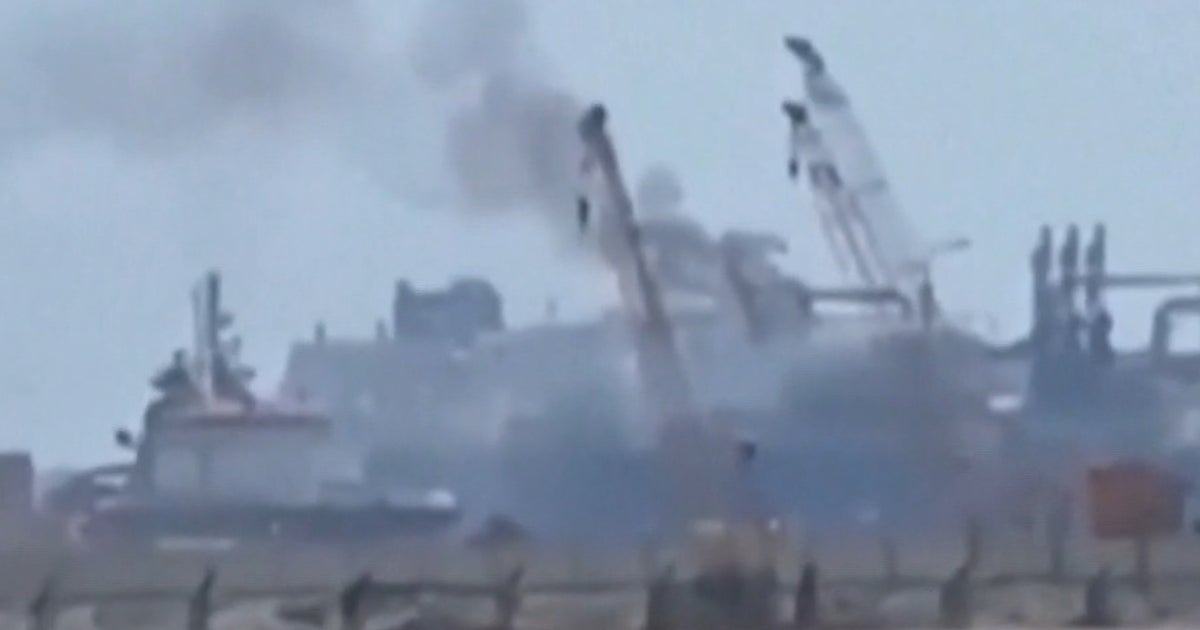
The U.S. Central Command has unveiled new footage depicting fighter jets executing what they term a “heavy wave” of strikes against Iranian positions. This significant military action marks the first resurgence of strikes in several days and comes as a direct response to a recent missile attack targeting U.S. forces stationed in Jordan. Charlie D’Agata provides an update on the situation.
Details of the Targeted Strikes
According to U.S. officials, the strikes were meticulously planned and aimed at specific military assets linked to Iran’s aggressive posture in the region. The ongoing tensions between the U.S. and Iran have escalated over the past few years, with numerous incidents serving as flashpoints. These latest strikes are not only a show of military might but also a clear message that the U.S. is prepared to protect its personnel and interests abroad.
In response to the missile attack that injured several service members in Jordan, the U.S. military opted for a strategic aerial response. The decision followed a thorough assessment of the threat posed by Iranian-backed militias in the area, which are known for their unpredictable and aggressive behavior. The U.S. maintains that these operations are crucial to safeguarding its forces and deterring further hostilities from Iran.
Implications for U.S.-Iran Relations
These latest actions could have significant repercussions for U.S.-Iran relations. The use of military force underscores the deteriorating diplomatic ties between the two nations, which have been fraught with tension since the withdrawal of the U.S. from the Iran nuclear deal. Analysts suggest that such military engagements may hinder potential avenues for dialogue, pushing both countries further apart.
With regional allies closely monitoring these developments, the strikes serve as a reminder of the volatile geopolitical climate in the Middle East. As the U.S. continues its campaign against Iranian influence in the area, it remains to be seen how Iran will respond in the coming days. The possibility of retaliation from Iranian forces or their proxies presents a significant risk, raising concerns about the escalation of conflict.
The Role of Intelligence in Military Decisions
The successful execution of these strikes relied heavily on precise intelligence operations. Gathering accurate data on enemy movements and capabilities is vital for minimizing collateral damage and ensuring the safety of U.S. personnel. The integration of advanced surveillance technologies has enabled the military to make more informed decisions in real-time, thereby enhancing the efficacy of its defensive measures.
All eyes will remain on the situation in the region, as both the U.S. and Iran navigate this complex landscape of military and diplomatic engagements. The evolving dynamics will undoubtedly shape not only the operational tactics of the military but also the broader geopolitical landscape in the Middle East. As experts continue to analyze these developments, the critical nature of vigilance and strategy becomes increasingly evident.
In summary, the recent strikes by the U.S. against Iranian assets signal a pivotal moment in the ongoing conflict. With both nations entrenched in their positions, the path forward remains uncertain, making the need for cautious observation and strategic planning more important than ever.