
The ongoing situation in the Middle East is marked by a series of complex military maneuvers, diplomatic efforts, and a significant humanitarian crisis. With various parties involved, understanding the latest developments is crucial for comprehending the region’s dynamics. This article will provide an overview of recent military activities, diplomatic meetings, and their implications for peace and stability.
USS Lincoln’s Challenging Deployment
Adm. Brad Cooper, the head of U.S. Central Command, recently commended the crew of the USS Abraham Lincoln during a visit to the aircraft carrier. This deployment, which began in January, has become a pivotal part of U.S. operations in the Middle East, particularly in response to ongoing tensions with Iran. The Lincoln has recorded a historic continuous deployment at sea, surpassing 240 days, which has raised concerns about the mental health and welfare of the sailors aboard.
Cooper emphasized the operational intensity these sailors face, highlighting the importance of leadership in prioritizing mental health amid the challenging circumstances. His visit also included meetings with military and civilian leaders in several countries, including Bahrain and Israel, aiming to strengthen alliances and address regional security issues.
Negotiations Amid Tensions
In a move aimed at progressing stalled talks in Gaza, U.S. negotiator Jared Kushner met with Khalil al-Hayya, a leader of Hamas, as part of a broader diplomatic mission. This meeting in Egypt reflects ongoing efforts to achieve a ceasefire that has been elusive since recent hostilities escalated. Following his discussions with Hamas, Kushner plans to meet with Israeli Prime Minister Benjamin Netanyahu to discuss potential pathways towards peace.
The proposed peace roadmap includes disarmament of militant factions in Gaza, the withdrawal of Israeli forces, and increasing Palestinian administrative control. However, this endeavor faces significant challenges, particularly with Netanyahu’s insistence on ensuring complete disarmament of Hamas before making any territorial concessions.
Military Strikes and Regional Implications
Military tensions continue to escalate as Israel conducted airstrikes targeting Hezbollah commanders in southern Lebanon, resulting in significant casualties. This marks a sharp increase in hostilities since the truce with Hezbollah was established. Reports indicate that at least 11 individuals were killed during these strikes, signaling a dangerous volatility in the region.
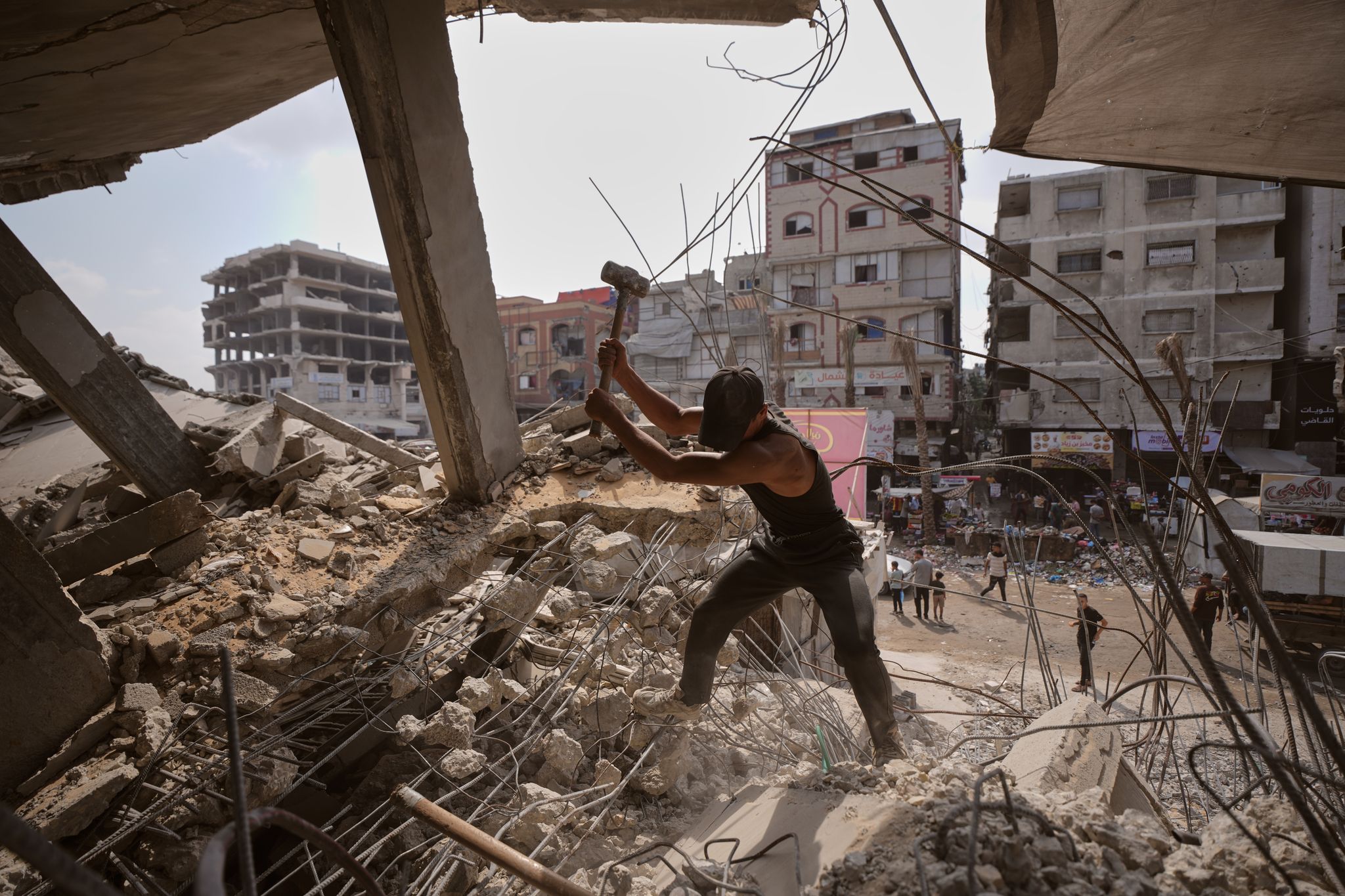
Meanwhile, Israeli airstrikes in Gaza have also perpetuated the cycle of violence, wounding multiple civilians, including children. This ongoing military action comes despite some reduction in overall combat intensity following a ceasefire agreement in October. Nonetheless, the situation remains precarious, with countless casualties reported by Gaza’s Health Ministry, further complicating prospects for peace.
Iran’s Regional Maneuvering
In the backdrop of these developments, Iran has accused Qatar of detaining three of its pilots, a claim that Qatar has denied. Iran’s leadership demands access for its experts to investigate the missing pilots, reflecting a growing concern over its military assets in the region. The situation exemplifies the heightened tensions and complexities involving regional actors navigating allegiances and rivalries against the backdrop of U.S. military presence.
As the U.S. continues to bolster its military presence in response to Iranian influence, diplomatic efforts must keep pace to ensure stability. The unfolding events in the Middle East illustrate a delicate balance of power that requires sustained international engagement and resolute strategies aimed at achieving long-term peace.