
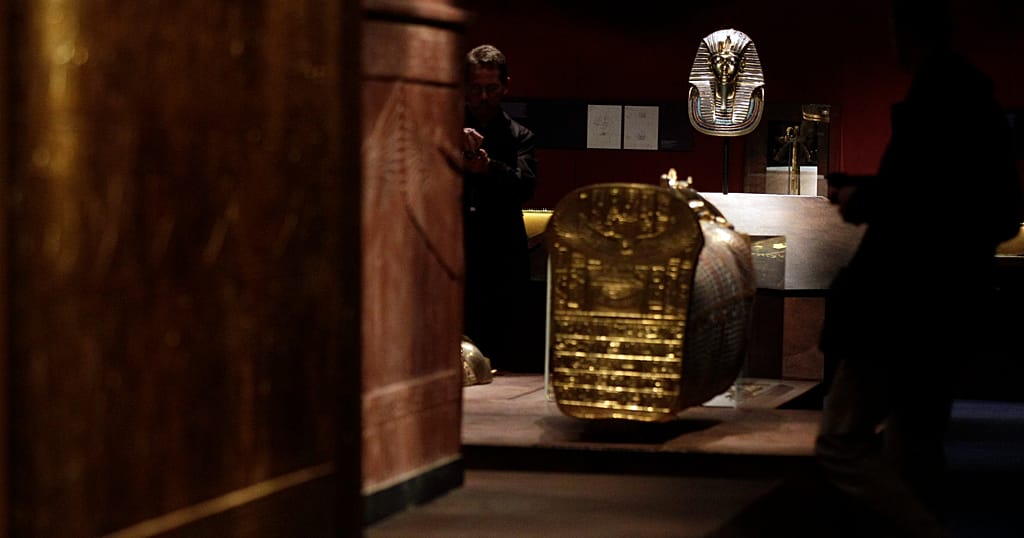
The recent return of looted artifacts from the FBI to Egypt highlights the ongoing collaboration between nations in repatriating cultural heritage. During a ceremony in Los Angeles, the FBI handed over numerous valuable items, signifying a positive step towards rectifying historical injustices.
Remarkable Artifacts Recovered
The returned items include an impressive collection of jewelry, statues, and sculptures, with origins tracing back to the Pharaonic, Roman, and Coptic periods. These artifacts not only hold significant historical value but also serve as a vital connection to Egypt’s rich cultural narrative. The items were recovered from a deceased smuggler, underscoring the continuous battle against cultural theft.
Ongoing Investigations and Future Prospects
As the investigation remains active, FBI Special Agent Allen Grove emphasized the importance of uncovering the full extent of the trafficking network. Despite the death of the main suspect, authorities are diligently working to identify additional co-conspirators. Grove noted, “We believe there may be more artifacts still unaccounted for,” indicating a potential for further recoveries in the future.
A History of Repatriation Efforts
This recent return is part of a broader effort by U.S. law enforcement agencies to assist Egypt in reclaiming its cultural treasures. Over the past ten years, more than 5,000 archaeological and cultural artifacts have been returned, reflecting a commitment to restoring and preserving Egypt’s heritage. These initiatives reinforce the notion that art and historical artifacts should be protected and revered, as they embody the identity and legacy of a nation.
Building Stronger International Collaborations
Hossam Eldeen Aly, the Egyptian Consul General in Los Angeles, expressed gratitude for the cooperation with the U.S. government, noting the importance of these artifacts in shaping Egypt’s identity. “These artifacts are an integral part of our people’s identity and cultural heritage,” he stated, highlighting the significance of international partnerships in safeguarding cultural assets. The 2016 agreement between the U.S. and Egypt on cultural property serves as a framework for imposing restrictions on the import of specific archaeological materials, ensuring more effective protection against illicit trade.
In conclusion, the return of these looted artifacts not only serves justice but also strengthens the bond between nations dedicated to preserving cultural heritage. As ongoing investigations progress and more artifacts are uncovered, this collaboration could pave the way for even greater achievements in safeguarding history for future generations. This commitment to ethical stewardship of cultural treasures reaffirms the importance of protecting a shared global heritage, emphasizing the role of cooperation in tackling the challenges of antiquities trafficking.