
Reflecting on the Impact of the October 6 War
At eight years old, I became acquainted with the October 6 War, a pivotal moment in Egypt’s modern history. My father’s recounting of this significant event, which unfolded in 1973, filled me with a sense of pride and intrigue. His experiences and memories were interwoven with national identity, and his fond expressions made the tales all the more compelling.
Family Legacy and the War’s Significance
My grandfather, a mechanical engineer who worked on the BM-21 Grad rocket launchers, shared his fragments of memories related to the war. Each year, around its anniversary, our Arabic teacher assigned us essays to articulate our understanding of this historic victory. However, we often only grasped the superficial aspects, writing about triumph before truly processing its implications. This approach planted seeds of pride in our youthful minds as we learned to celebrate the victories of our nation.
Yet, the narrative changed in high school, where our history professor, a French expatriate, challenged the glorified narratives we had grown up with. This provoked intense anger among my classmates, who saw his approach as an affront to our national story. His introduction of alternative accounts felt more like an invasion of our collective memory than an invitation to reassess what we thought we knew.
The Stories and Personal Reflection
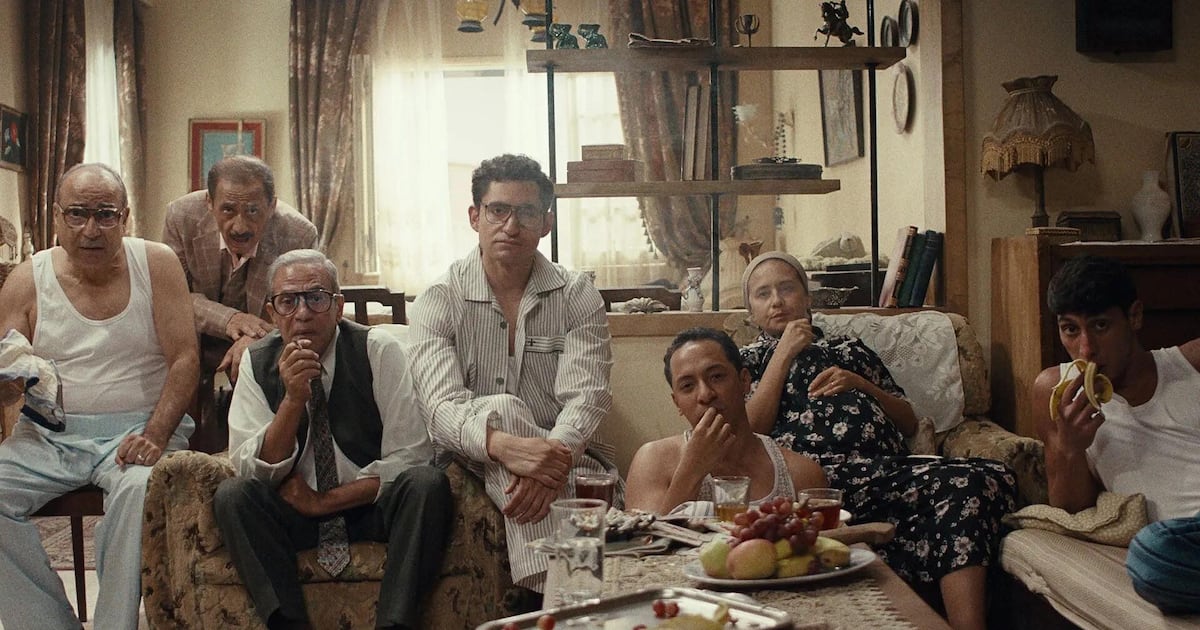
Years later, a chance encounter with actor Amir El-Masry at a restaurant in Cairo reawakened my interest in Egyptian narratives. I recognized him from his role in “The Crown” and felt compelled to ask for a selfie. My appreciation for him grew, not just for his talent but also for his approachable demeanor. When I learned he starred in “The Stories,” Egypt’s submission for the 2027 Oscars, I was eager to see how this film would portray the essence of our shared history.
“The Stories,” directed by Abu Bakr Shawky, offers a semi-autobiographical glimpse into the life of Ahmed, played by El-Masry. The film elegantly captures the struggles of a family navigating Egypt’s tumultuous political landscape from the late 1960s to the 1980s. The artistic score merges classical music with the chaos of daily life, enriching the narrative as Cairo transforms into a character in its own right. The gentle love story between Ahmed and his Austrian pen pal, Elizabeth, epitomizes personal connections amid broader historical upheavals.
Lessons in Memory and Understanding
Watching “The Stories” prompted me to ponder the details of my own family’s history that I had previously overlooked. The film serves as an invitation to examine the fragments that often get lost amidst the grand narratives of wars and battles. It struck me as ironic that, in all my discussions with my grandfather and grandmother, I had never asked them about their fears or experiences during turbulent times. What did it feel like for them to leave their loved ones behind? How did they cope with the loss of their homes and the uncertainty that war incurs?
These important discussions are often overshadowed by patriotic celebrations, making it easy to forget the personal sacrifices of those involved. The film’s portrayal resonates deeply, reminding us that history is not just a series of dates and military successes but a tapestry woven with the individual struggles and triumphs of everyday people. After viewing “The Stories,” I realized that while I’d learned the facts of history, I had yet to truly inquire about the people who experienced it. In retrospect, it feels crucial that we explore these personal narratives before it’s too late, ensuring that the stories of those who lived through significant events remain alive and meaningful.