
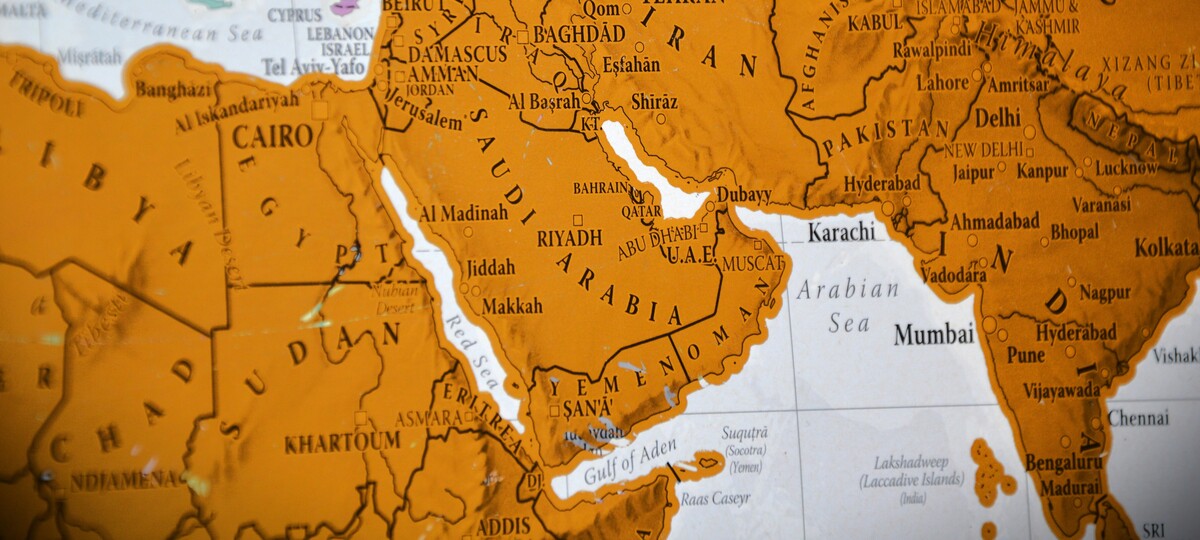
As conflicts continue to shape the geopolitical landscape of the Middle East, the role of Egypt in countering Houthi threats has come under scrutiny. Recent reports indicate that Saudi Arabia is seeking to strengthen its coalition against the Houthi militia, urging Egypt to join in efforts to neutralize the armed group’s influence in the Arabian Peninsula, Gulf of Aden, and Red Sea.
Geopolitical Significance of the Red Sea
The Red Sea serves as a vital corridor for global trade, particularly due to the Suez Canal, located on its northern shoreline. This canal is recognized as a key chokepoint in international shipping, with Egypt earning approximately $9.5 billion in tolls in 2023. However, forecasts for the fiscal year 2025/2026 project a significant drop in revenue, estimating between $4.7 billion to $5 billion, as regional conflicts pose threats to maritime navigation.
At the southern entrance of the Red Sea, the Bab al-Mandab Strait links this important waterway to the Gulf of Aden, acting as a gateway for maritime traffic between Europe and the Persian Gulf. On an average day without disruption, around 12% of the world’s crude oil and liquefied natural gas transit through this narrow passage. According to maritime insurance estimates, goods exceeding a trillion dollars flow through this route annually.
The Threat Posed by the Houthis
Recent Houthi military campaigns have led to assertions of control over parts of the Bab al-Mandab’s eastern shoreline, along with claims of capturing two islands in the strait. This escalating confidence mirrors Tehran’s historical strategies in the Strait of Hormuz, leading to increased Iranian support for Houthi militias. The Quds Force, an elite unit of Iran’s Revolutionary Guards, has reportedly trained Houthi fighters in advanced warfare techniques such as naval mine deployment and missile strikes.
As the Houthi arsenal grows, so too does the threat to international shipping. When Houthi leaders make aggressive statements about targeting commercial vessels, it results in heightened maritime insurance rates and spikes in oil prices. Ships become hesitant to navigate through these waters, opting for longer routes that avoid the Red Sea, thereby reducing revenues for Egypt from Suez tolls and impacting global trade significantly.
The Historical Context of Egypt’s Engagement
Egypt’s reluctance to engage more deeply in Yemen is rooted in historical conflicts, including a disastrous intervention in 1962 during the North Yemen Civil War. Egyptian forces suffered heavy losses, leading to withdrawal amid domestic outcry and allegations of using chemical weapons against local insurgents. This historical baggage influences current Egyptian policy toward the Houthis, as public sentiment opposes ground troop involvement despite governmental pressure to take action against the militia.
Though Egypt has faced challenges in military contexts before, the regional dynamics have shifted. The Shia Crescent has fragmented, with Syria becoming an area of Turkish influence and Israel maintaining a robust defense posture against Hezbollah. Meanwhile, U.S. naval capabilities limit Iran’s ability to resupply Houthi forces.
In light of these developments, one wonders if Cairo’s strategic calculus will evolve in response to the shifting power dynamics and renewed fears surrounding the Houthi threat. As the situation unfolds, Egypt faces both historical apprehensions and modern realities as it contemplates its role in any potential anti-Houthi coalition.