
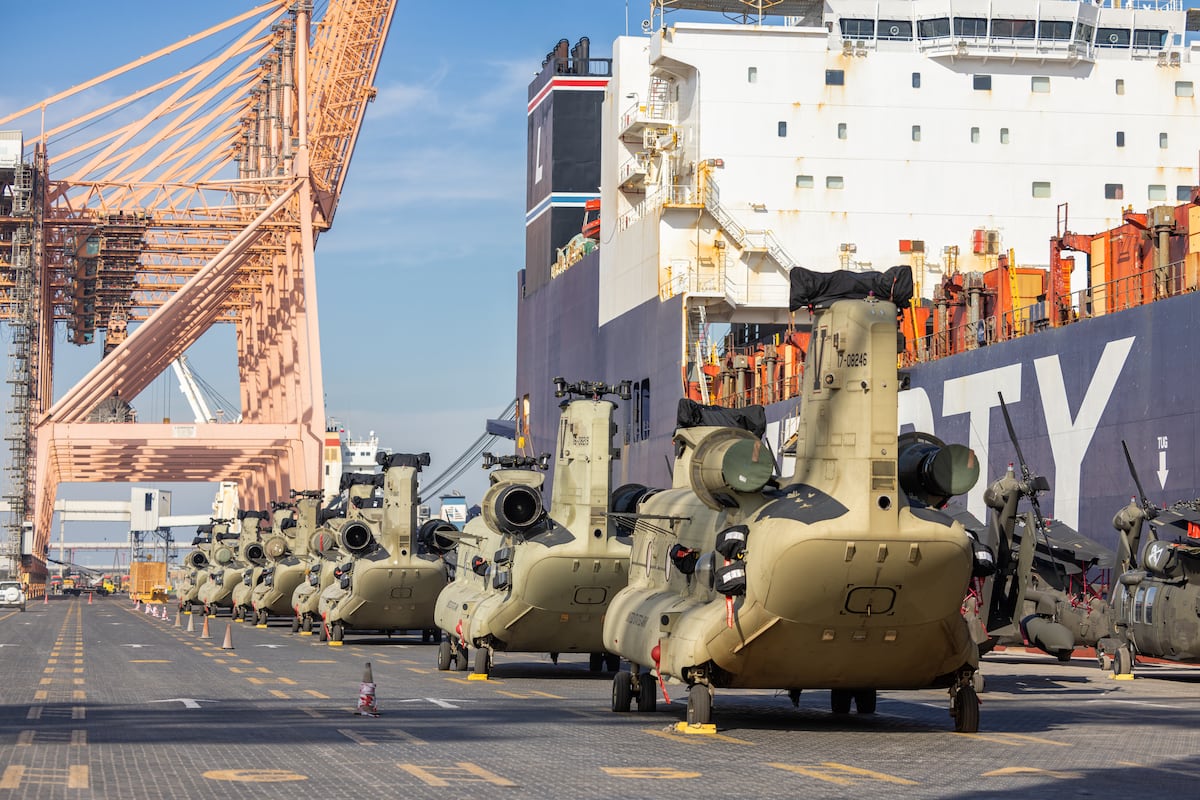
The challenges faced by soldiers recovering from battlefield injuries are often severe and multifaceted. One soldier recalls waking up at 6 a.m. after a restless night, battling the effects of a traumatic brain injury. He finds himself at the Soldier Recovery Unit in Walter Reed National Military Medical Center, where he feels trapped between the demands of military life and the urgent need for recovery. This soldier is among several who were injured in the Iranian attack on Port Shuaiba, revealing systemic issues within military healthcare that continue to be a significant concern.
The Struggles of Recovery Units
The painful realities of multiple soldiers include delayed medical treatments and inconsistent care depending on their assigned Soldier Recovery Unit. Many have expressed frustration over the military’s approach, often feeling that they are treated as mere numbers rather than individuals in need. When speaking to these soldiers, they recounted stories of waiting months for necessary medical appointments while grappling with serious injuries. Despite receiving Purple Hearts for their combat wounds, they feel abandoned by a system that fails to provide timely and adequate healthcare.
Compounding these issues is the “peacetime effect,” a term used to describe the deterioration of military medical proficiency once combat ends. Research indicates that while military medical forces excel during times of war, their skills and readiness decline in peacetime. The Institute for Defense Analyses has highlighted the cyclical nature of this problem and the serious consequences of inadequately trained medical personnel on the battlefield. Such gaps in medical preparedness create a dangerous scenario, particularly with ongoing conflicts.
Evacuation and Treatment Challenges
Further complicating the situation, the evacuation system during the Port Shuaiba incident was ineffective. Soldiers reported a lack of established medical support and no proper evacuation plan after the attack. Casualties were driven to hospitals in a chaotic rush, often using improvised methods rather than systematic procedures. Delayed access to emergency surgeries and inadequate follow-ups highlighted the logistical failures that continue to plague military medical operations.
Additionally, many who were injured faced long waits for treatment upon arriving at military medical centers, often being told to schedule outpatient appointments weeks later. These systemic failures have raised concerns about how well the military can care for returning wounded soldiers in future conflicts. Reports of insufficient training for medical staff and the cancellation of crucial medical courses only exacerbate these worries.
The Mental Health Toll
For many veterans, recovery is not just about physical healing but also involves mental health struggles. Isolation is a common theme within recovery units, as soldiers often find themselves separated from their support systems. Mental health issues frequently go unaddressed, leading to feelings of depression and loneliness. One soldier described their experience in the recovery unit as “living in a room by myself,” an environment detrimental to anyone dealing with serious injuries.
The hurdles faced by transitioning soldiers do not dissipate once they leave the recovery units. Many have significant difficulties accessing care from the Veterans Affairs system, battling canceled appointments and bureaucratic hurdles. The frustration peaks as they seek help for injuries that have significantly impacted their quality of life. Experiences shared by these veterans point to a growing need for reforms within the military healthcare system to ensure timely and effective support for all service members.
In conclusion, the experiences of those recovering from the Port Shuaiba attack underscore serious deficiencies in military healthcare. With ongoing conflicts, it is essential to reform and strengthen the systems in place, ensuring that soldiers receive the comprehensive care they deserve. As one soldier aptly noted, “If they don’t advocate for themselves, they’re not going to receive proper care.” It is a stark reminder of the ongoing challenges faced not only by the military medical system but also by those who have served.