
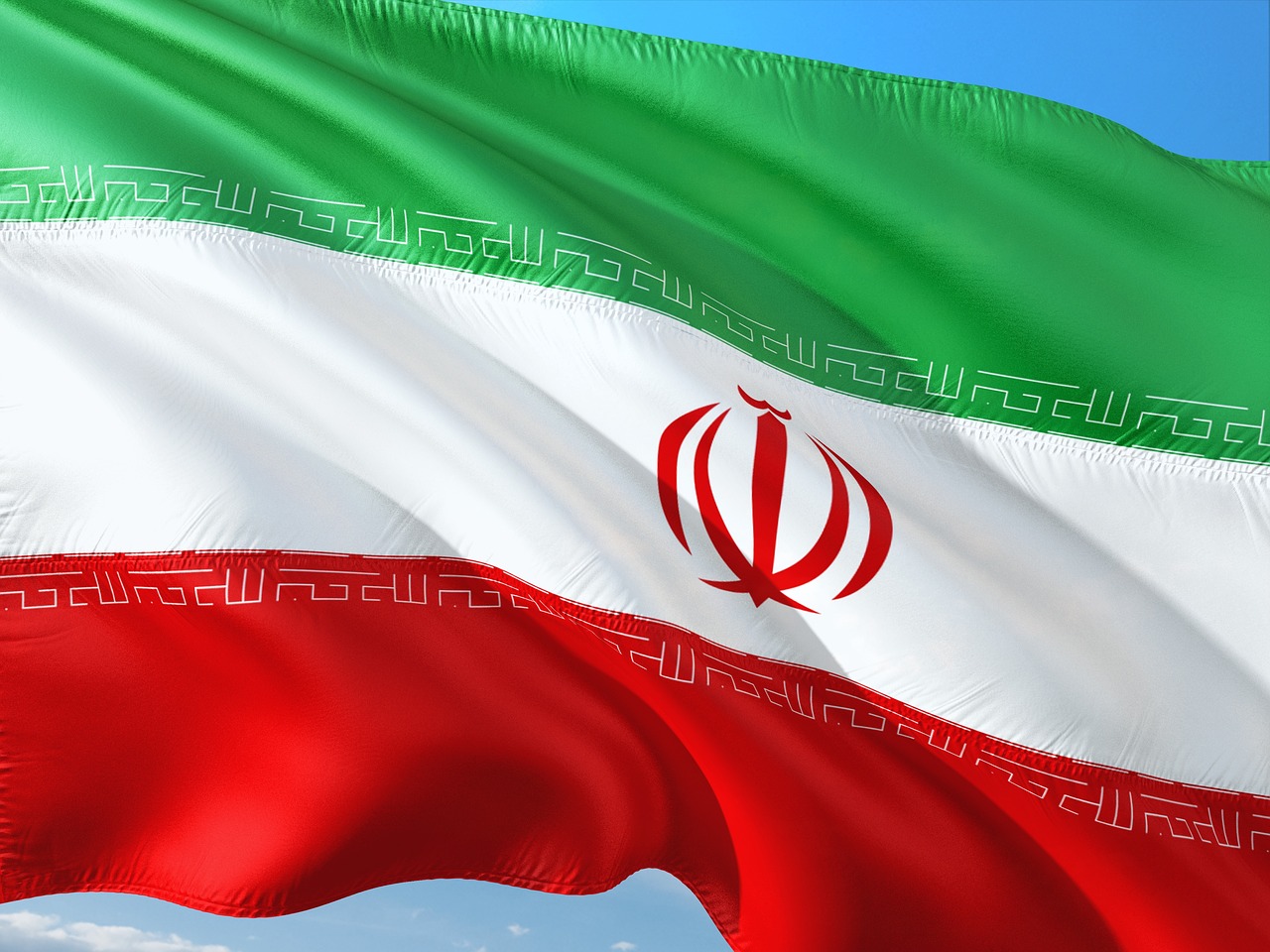
In a concerning development, Amnesty International has voiced criticism over Iran’s alarming rate of executions. The human rights organization reported that five individuals were executed within a single week, raising serious questions about the fairness of the trials they endured. The call for a global response to these executions reflects a growing urgency to address human rights violations in the nation.
Concerns Over Unfair Trials in Iran
Amnesty International emphasizes that the trials leading to these executions were fundamentally flawed. Reports indicate systemic issues with Iran’s judicial process, including a lack of legal representation, inadequate access to evidence, and pressure on defendants to confess. Such practices undermine the integrity of the legal system, making it crucial for the international community to scrutinize these developments. The accusations of unfair trials not only violate the individuals’ rights but also challenge the legitimacy of Iran’s judicial procedures as a whole.
The Frequency of Executions
The surge in executions is alarming, especially given the human rights concerns raised by various organizations. The five recent executions are part of a troubling pattern that suggests a hardline approach by the Iranian government in handling dissent and alleged crimes. This rise in capital punishment occurs amid international outcry over Iran’s human rights abuses, signaling an unsettling disregard for global standards. While Iran justifies these actions as a means of maintaining order, many argue that the frequency of such severe penalties reflects a deeper issue rooted in governance and human rights.
Global Responses and Implications
Amnesty International insists that the international community must react decisively to these executions. Pressure should be applied through diplomatic channels, emphasizing the need for transparency and accountability in Iran’s justice system. Notably, nations that prioritize human rights and rule of law must confront Iran’s approach head-on. This could mean re-evaluating trade agreements, imposing sanctions, or leveraging international forums to spotlight Iran’s actions.
The failure to respond effectively could result in a tacit acceptance of Iran’s methods, further emboldening its government to continue its pattern of undermining human rights. A united international response can send a clear message that such practices will not be tolerated, potentially influencing change in Iran’s treatment of its citizens.
Conclusion: A Call for Action
In conclusion, the recent executions in Iran underscore the critical need for international vigilance regarding human rights abuses. The issues surrounding unfair trials and the overall judicial process merit urgent attention from global leaders and organizations. By raising awareness and advocating for the rights of individuals facing unjust treatment, the international community can play a vital role in calling for reforms in Iran’s judicial system. Only through collective action can we hope to see substantial improvements in the state of human rights in Iran and hold accountable those responsible for these injustices.