
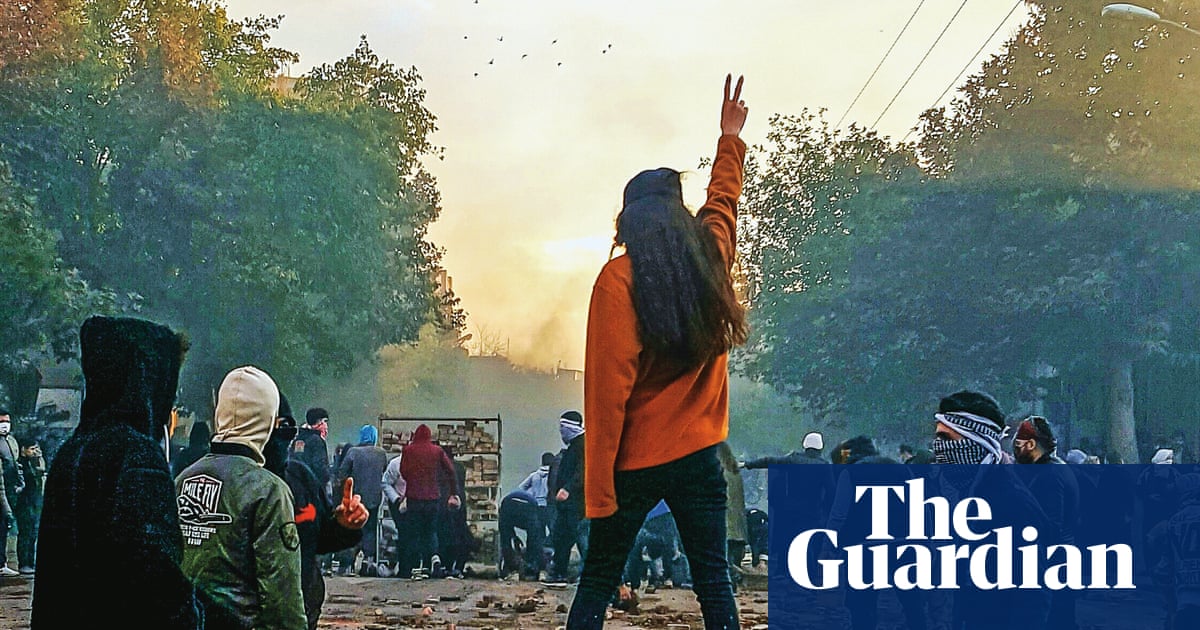
In September 2022, Iran erupted into significant protests led primarily by women following the tragic death of Mahsa Amini, a 22-year-old Kurdish woman. Her death occurred while she was in custody, allegedly due to her noncompliance with the country’s strict hijab regulations. The aftermath of her death saw a wave of demonstrations involving tens of thousands of Iranians, including minors, demanding justice and fundamental rights.
Brutal Crackdown and Human Rights Violations
In response to these protests, Iranian authorities enacted a fierce crackdown, which has been confirmed through both state documents and testimonies from victims. Reports from Amnesty International indicate that security forces received directives to employ “firm and severe” measures against protestors, including orders to operate with such intensity that it could lead to fatal outcomes. One alarming leaked order emphasized a “merciless” approach to quelling dissent, highlighting a coordinated strategy from the state to suppress the protests.
The human toll of this crackdown is staggering. Amnesty has identified the deaths of 377 individuals linked to the protests, including 56 children. More disturbingly, there have been credible reports of sexual violence inflicted upon those arbitrarily detained during the protests, with victims including both genders and minors. The investigation unearthed horrific instances of sexual assault carried out by state agents, illustrating a concerted effort to terrorize the population.
Violence and Enduring Trauma
The revelations from Amnesty correspond with first-hand accounts previously reported by major news outlets. Medics provided a grim picture of the violence perpetrated against female protesters, claiming that security forces targeted them with gunfire directed at crucial areas, including the face and genitals. These injuries raise serious concerns about long-term physical and psychological consequences for many young Iranians, potentially leaving them with irreversible damage.
Moreover, accounts from survivors of the crackdown recount the inhumane treatments suffered at the hands of security personnel. Testimonies include stories of individuals being blindfolded and subjected to sexual assault during interrogations. Such brutal actions starkly demonstrate the lengths to which Iranian authorities are willing to go to stifle dissent and instill fear among its citizens.
Continued Repression and Calls for Accountability
Amnesty International’s report emphasizes how years of unaccountability for past violence have contributed to a more severe crackdown in recent demonstrations, including those in January 2026, which reportedly resulted in the deaths of thousands in just two days. The international human rights group has identified 87 Iranian officials—including influential figures such as the late supreme leader Ali Khamenei—who should face investigations for “crimes against humanity.” The push for accountability is essential not only for current grievances but also as a deterrent to future violations.
Further, prominent officials involved in the wave of state-sponsored violence, including key figures in Iran’s security apparatus, have been named in calls for accountability. The acts committed against the Iranian people illustrate a systematic approach to repression that demands urgent international attention. As the world watches, the hope is that these ongoing investigations will lead to justice for the countless victims and deter further atrocities.