
New Security Landscape: Insights from MI5 Chief Ken McCallum
The head of MI5, Sir Ken McCallum, recently underscored the evolving national security threats facing the U.K. and beyond. During his annual threat update, he indicated that a paradigm shift has occurred in how adversaries aim to inflict harm. “We have entered a new era of national security, requiring a new response,” he stated, outlining how the focus of attacks has shifted away from government assets towards civilians, businesses, and communities.
State Threats from Iran and Russia
In his assessment, McCallum identified Russia as the foremost aggressor, highlighting a dramatic increase in hybrid warfare tactics employed by both state actors. He noted that “Russia remains aggressor number one,” and intelligence analysts are tracking a significant shift in Iranian ambitions towards more aggressive targets. This new form of warfare combines traditional military operations with non-traditional methods, targeting a wide range of sites across the U.K. and Europe.
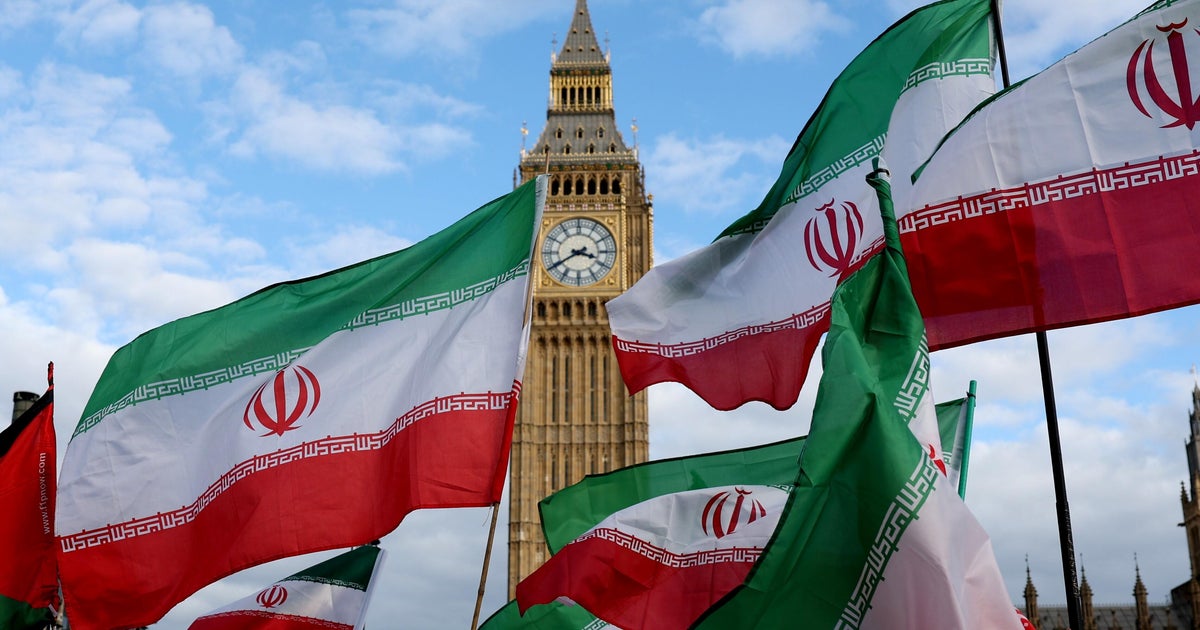
Among the activities attributed to Iran, McCallum pointed out the use of criminal proxies to intimidate opposition figures and attack associated sites. Over the past year, U.K. authorities arrested over 50 individuals linked to these hybrid campaigns, which have often targeted Jewish communities through acts of violence such as arson and sabotage. The group Harakat Ashab al-Yamin al-Islamiya (HAYI), with ties to the Iranian Quds Force, has been implicated in many of these attacks, which include assaults on military sites and civilian targets alike.
Examples of Iranian-Linked Attacks
A troubling aspect of these incidents is their direct targeting of British Jewish communities. McCallum reported a series of arson attacks and violent incidents that exemplify this troubling trend. Notable cases include the firebombing of synagogues in Rotterdam and Amsterdam, alongside attacks on Jewish community services in London. Such actions sow discord and reflect the broader implications of Iran’s aggressiveness abroad.
The escalation of threats from Iranian-linked groups led to targeted actions against both Israeli and U.S. interests. A CBS News investigation found that individuals involved in these groups openly declared intentions to harm Western interests until they avenged perceived wrongs against Palestinians. This rhetoric increases the stakes for law enforcement and counter-terrorism agencies as they work to prevent further violence.
Russia’s Evolving Threat Landscape
While Iran’s activities are alarming, McCallum emphasized that Russian actions pose the most significant risk currently facing the U.K. The Russian military is reportedly escalating hybrid warfare tactics while deliberately operating beneath NATO’s collective defense thresholds. This strategy involves engaging in cyber warfare, disinformation campaigns, and subversive actions without sparking a full-scale military conflict.
The consequences of Russia’s strategies have been palpable, with incidents ranging from military aircraft violating airspace to sabotage attempts against critical infrastructure in European defense industries. These actions create a precarious atmosphere, necessitating constant vigilance from intelligence and security agencies. The U.K. remains committed to monitoring these threats closely, as deviations in Russian military conduct could trigger a more direct response from NATO.
In summary, as both Iran and Russia adapt and strengthen their hybrid warfare tactics, the U.K. faces an increasingly complicated security landscape. Sir Ken McCallum’s observations highlight the need for cooperative international efforts and robust defensive measures to address these evolving threats effectively.