
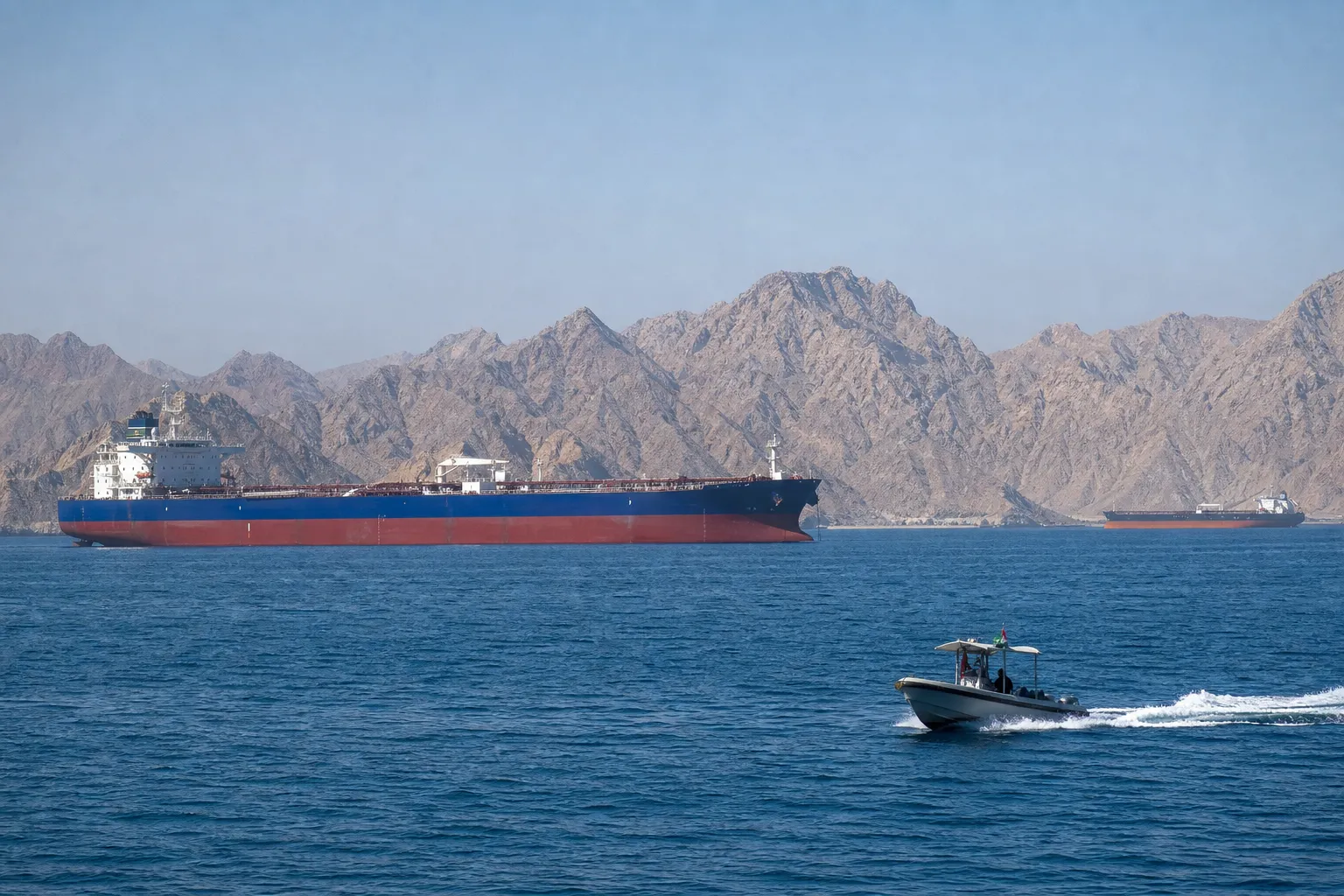
In a recent incident in the Strait of Hormuz, an oil tanker was hit by a projectile, leading to minor injuries for two crew members. This information was released by the British Maritime Trade Operations Agency (UKMTO), emphasizing the ongoing geopolitical tensions in the area.
Incident Details and Response
Following the attack, the tanker managed to continue its journey under its own power. However, specific details surrounding the circumstances of the strike and the extent of damage to the vessel remain unclear. The UKMTO has urged all ship captains operating in the region to exercise caution and remain vigilant, advising them to report any suspicious activities they may encounter. This situation highlights the increased risks that maritime operations face in the Strait of Hormuz, a critical waterway for global oil shipments.
Concerns Over Maritime Security
While UKMTO did not attribute the attack to any specific group, it is known that Iran has a history of aggressive actions in the Strait, including threats to close the passage and assaults on vessels. The Iranian government has previously warned of its capability to respond forcefully to perceived threats, particularly from the United States. These patterns of behavior contribute to an atmosphere of uncertainty, making navigation in this strategic area particularly precarious.
Political Context
The geopolitical backdrop to this incident is complex. Recently, former U.S. President Donald Trump indicated a pivotal phase in U.S. policy toward Iran, suggesting that significant decision-making is underway. Iran’s leadership has reciprocated with threats of severe retaliation should the U.S. launch additional strikes in the region. This deteriorating relationship between the two nations adds another layer of tension to maritime safety in the Strait.
Efforts for Diplomacy
Against this backdrop of escalating hostilities, Qatar is actively attempting to mediate negotiations between the U.S. and Iran. The goal is to de-escalate tensions and reinitiate dialogues that could lead to a more stable and secure environment for maritime activities. Efforts to facilitate communication between these two countries are crucial, especially considering the significant economic implications for global oil markets tied to the stability of the Strait of Hormuz.
In summary, the recent attack on the oil tanker is a stark reminder of the fragile situation in the Strait of Hormuz. With geopolitical tensions rising and maritime security at risk, stakeholders in the region must navigate these complexities carefully. Continuous monitoring and diplomatic efforts are essential in addressing the challenges posed by ongoing confrontations and ensuring safer passage through this vital waterway.