
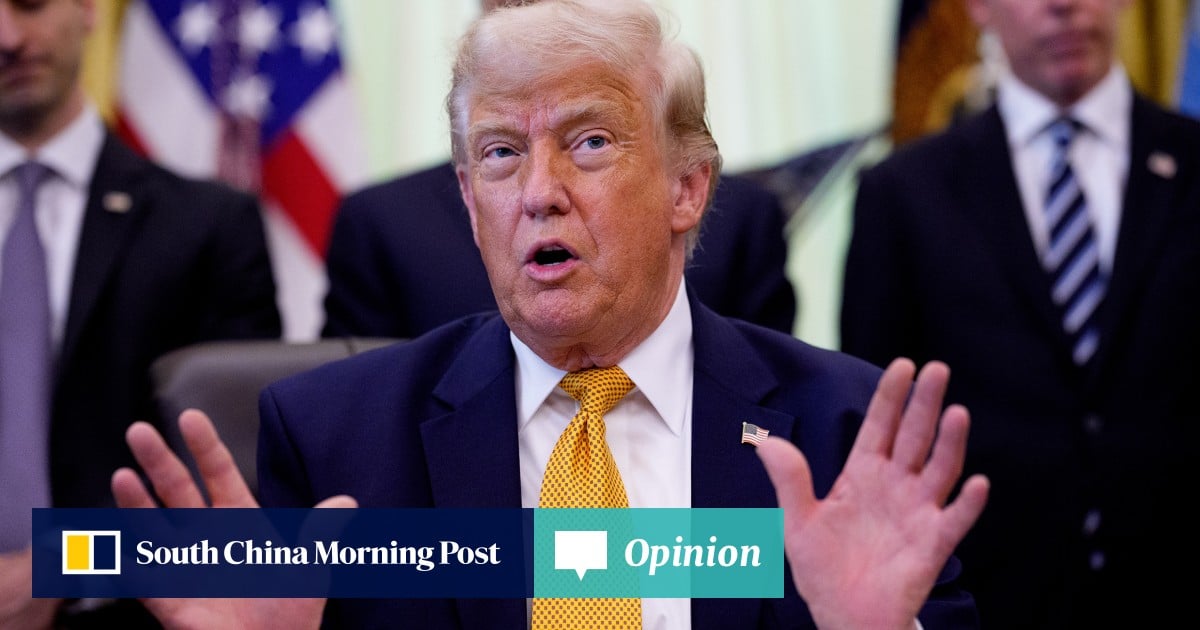
US President Donald Trump recently described a new agreement with Iran as a milestone moment, marking a significant shift in relations. The deal includes the reopening of the critical Strait of Hormuz and the lifting of the American naval blockade. This development has sparked discussions and debates in both political and international circles.
A Promised Path to Lasting Peace
Trump asserted that he has secured a 14-point memorandum aimed at achieving lasting peace across the region. His announcement was characterized by the grandiose rhetoric he’s known for, reminiscent of his claims during previous conflicts in areas such as Gaza and Ukraine. However, while these statements may resonate on a surface level, the effectiveness of such an agreement will hinge on the specific terms and conditions laid out within it—details that are, at present, unclear.
The Fog of Diplomatic Negotiations
As the two nations absorb the implications of the memorandum, each has begun to construct its own narrative surrounding the agreement. Both Tehran and Washington are attempting to portray the outcome as a victory for their respective sides, emphasizing whatever aspects they perceive to be favorable. This is a common pattern in international diplomacy, where the true success of any accord often lies in the intricacies of its implementation and the substance of the agreements made.
The Global Perspective: China’s Positioning
Amid the volatility of these negotiations, China appears to be aligning itself with both immediate and long-term strategic partners. Opting to back Iran in the short term, China also sees the potential benefits from the geography and resources of the Sultanate of Oman as part of its broader strategy for influence in the region.
Potential Future Dynamics
The situation in the Strait of Hormuz could well evolve into another entrenched conflict that remains unresolved, rather than transitioning into a prolonged era of peace. As it stands, the 14-point memorandum does not represent a historic sea change but rather harkens back to familiar dynamics. The agreement, especially in its eighth provision, recalls elements from the Obama-era nuclear deal, which Trump had previously criticized.
The ongoing negotiations and eventual agreements will be closely monitored by international observers, as the ramifications of this deal could influence not only regional stability but also its geopolitical landscape in years to come.
In conclusion, while the announcement of a rapprochement between the U.S. and Iran initially suggests a hopeful trajectory, the actual impact will depend on the detailed agreements and the ability of both sides to navigate their narratives and amid conflicting interests. The coming months will reveal whether this diplomatic effort can transmute words into a sustainable peace or if it merely sets the stage for renewed crises.