
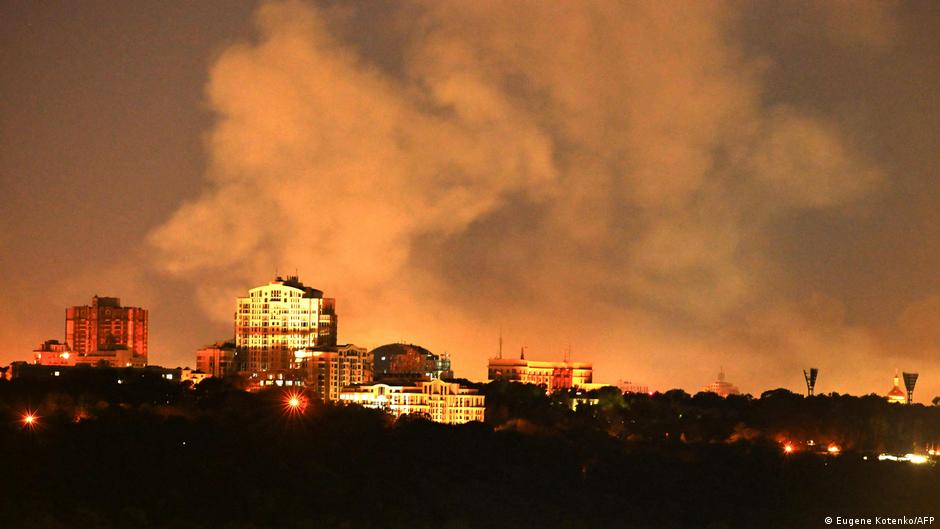
The U.S. has signaled its intention to enact what it deems the most severe sanctions ever imposed on Iran, aiming to expedite an end to ongoing hostilities. Despite these military and economic pressures, Iran has remained largely unyielding. Similarly, Russia appears steadfast in its commitment to the ongoing conflict in Ukraine. Although the possibility exists for both situations to exhaust their momentum, there are no clear paths to resolution for any of the involved parties. As tensions escalate, every passing day heightens the risk of miscalculation or further conflict, prompting questions about whether these crises can remain isolated or if they’ll grow into a larger, uncontrollable ordeal.
U.S. Sanctions: A Double-Edged Sword
The U.S. administration is attempting to leverage unprecedented sanctions against Iran under the belief that economic pressure will incentivize a shift in Tehran’s actions. However, sanctions often have mixed results. While aimed at crippling Iran’s economy, they can also solidify nationalistic sentiments and rally public support around the government, thereby making the situation more complex. The historical context emphasizes that aggressive sanctions frequently fail to yield the desired diplomatic outcomes, leading to a protracted stalemate instead. This ongoing rigidity could prolong the conflict, making the U.S. strategy more counterproductive than beneficial.
Russia’s Stance in the Ukraine Conflict
On the flipside, Russia remains deeply entrenched in its military endeavors in Ukraine, demonstrating a stubborn resolve to continue its offensive. Despite international backlash and sanctions targeting its economy, the Kremlin’s commitment to its objectives appears unwavering. Russia’s insistence on maintaining its foothold is fueled by a combination of geopolitical ambitions and national security concerns—factors that complicate any potential resolution. This relentless posture, in tandem with Western efforts to isolate and weaken Russia, creates a volatile dynamic that further endangers stability in the region.
The Risk of Escalation and Miscalculation
As these conflicts persist, the risk of miscalculation looms large. Missteps in judgment, whether by military personnel or political leaders, could quickly escalate tensions. The likelihood of accidental confrontations among parties involved—be it the U.S., Iran, or Russia—remains high, as the environments in which they operate are fraught with tensions and misunderstandings. Daily communication breakdowns exacerbate these risks, making it increasingly difficult for all sides to evaluate their strategies effectively.
Can Conflicts Remain Contained?
The open question remains: can these conflicts be contained, or will they inevitably intertwine? As each situation evolves, the potential for one conflict to impact the other grows, feeding into a cycle of unrest. The interconnectedness of global politics suggests that a single spark in either Iran or Ukraine could ignite broader regional tensions and shift the global balance of power. Consequently, achieving a peaceful resolution becomes more crucial than ever, necessitating comprehensive diplomatic engagement from all stakeholders.
In summary, the ramifications of the U.S. sanctions on Iran and Russia’s ongoing military commitment in Ukraine create a precarious landscape. Current strategies seem insufficient to prompt meaningful change, and the risk of escalation remains ever-present. The international community must remain vigilant and proactive in its efforts to diplomatically resolve these crises, as the stability of numerous nations hangs in the balance.