
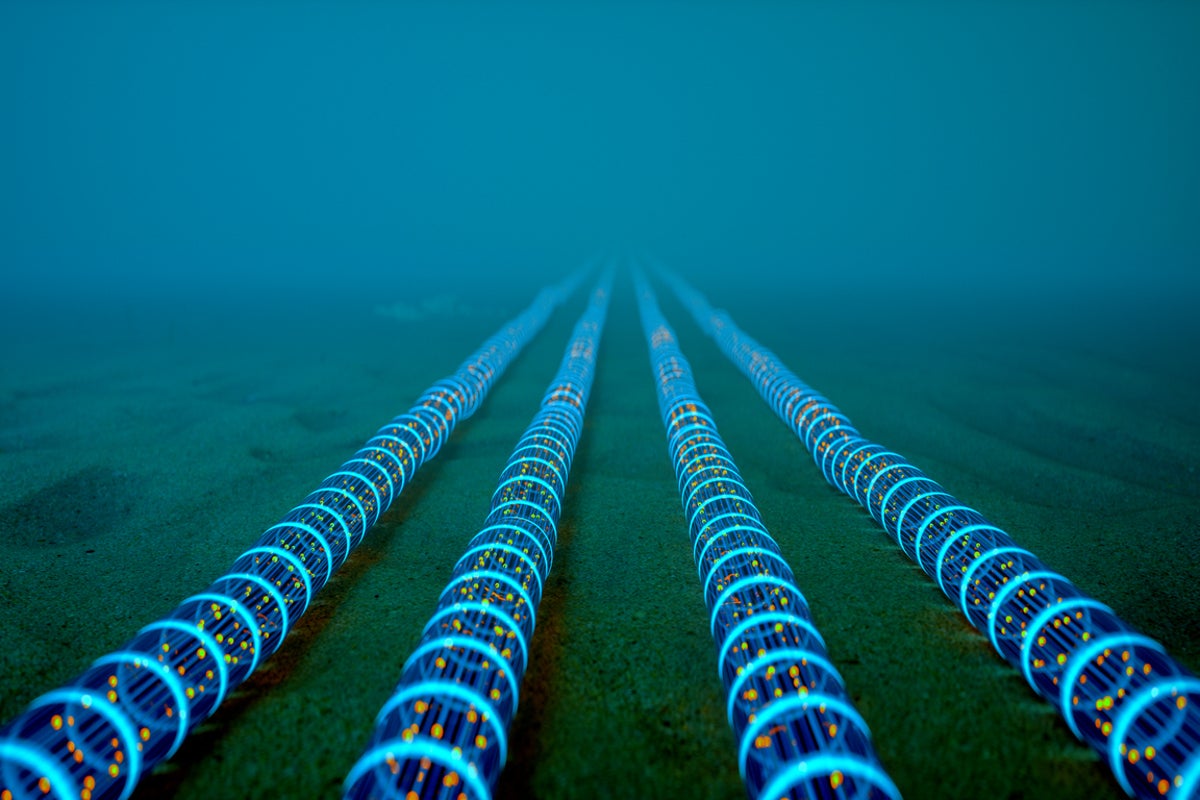
When discussing the intricacies of global connectivity, few realize the critical role undersea cables play in maintaining seamless internet access. Recently, geopolitical tensions have brought these submerged lifelines into the spotlight, particularly in light of potential threats to their integrity. Understanding the vulnerabilities of these cables and the implications for global communication is essential in our increasingly interconnected world.
The Significance of Undersea Cables
Undersea cables form the backbone of international digital communication, handling over 99% of global data traffic. From sending emails to executing bank transfers, these cables provide the necessary infrastructure for daily transactions. Despite their importance, many remain unaware that several factors—particularly political maneuvers—pose extensive risks to their operation. The Strait of Hormuz, a crucial waterway for both energy and data, has recently faced scrutiny for being a potential chokepoint for these essential cables.
The Middle Eastern region has seen threats from various actors. For instance, Iran has considered imposing tariffs on submarine cables in the Strait of Hormuz, suggesting they are targets for economic control. Meanwhile, Russia has conducted covert operations on cable routes near the UK, leading to heightened security concerns. Governments are now responding by implementing stringent laws aimed at protecting these vulnerable infrastructures, highlighting the risks associated with international tensions.
Vulnerability in the Global Network
The interconnected nature of these submarine cables creates a precarious balance. While some claim that damage to a single cable will simply reroute traffic, the reality is that alternative routes may struggle to accommodate the redirected data flow. This can result in significant slowdowns for crucial services such as banking and healthcare. Stress on alternate cables can lead to delayed transactions and unresponsive online services, impacting consumers and businesses alike.
The geopolitical landscape complicates matters further. For example, Taiwan has accused China of targeting undersea cables, which puts their national security at risk. Due to its reliance on just 24 cables, any disruption can pose serious threats. In past incidents, such as the Red Sea cable cuts in 2024, even unintentional damage from commercial vessels has illustrated how fragile these systems are. The potential for a malicious attack, paired with the risks of accidental damage, creates a pressing need for better protective measures.
Strategies for Enhanced Security
Experts underscore the necessity of diversifying internet pathways. Relying solely on undersea cables could leave the digital infrastructure vulnerable to disruptions. A multifaceted approach—incorporating terrestrial, maritime, and satellite routes—is essential to bolster resilience. Initiatives funded by international organizations, like NATO’s efforts to enhance internet resilience through satellite technology, highlight the evolving strategies aimed at protecting global communications.
However, transitioning entirely to satellite systems isn’t a silver bullet. Current satellite technologies can’t support the immense data loads handled by undersea cables. The reliance on land-based networks remains critical, indicating that while diversification of routes is necessary, a clear understanding of the limitations of each option is equally important. A balanced approach that utilizes a mix of undersea cables and other technologies is the most sustainable way forward.
In conclusion, as international instability continues to rise, the need to safeguard undersea cables becomes increasingly pertinent. Understanding their vulnerability and employing diverse strategies for protection will ensure that global connectivity remains none the worse for wear. With the right measures in place, we can enjoy a more resilient internet infrastructure that withstands both geopolitical turmoil and everyday hazards.