
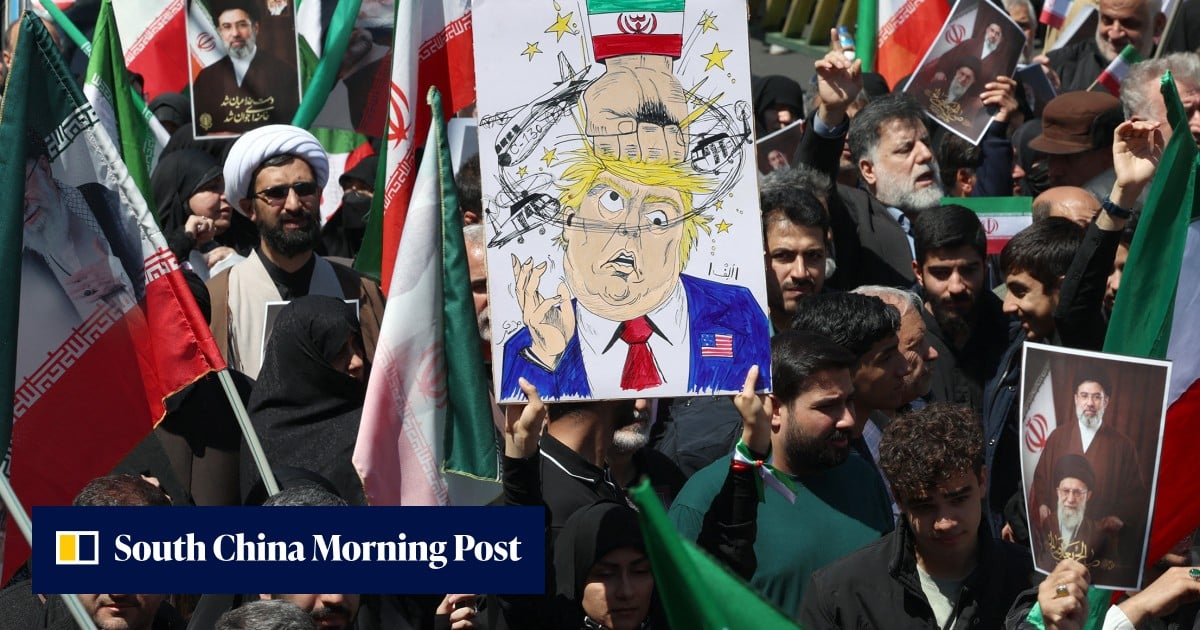
President Donald Trump is navigating a challenging phase in his presidency as the conflict between the US and Israel against Iran marks the six-month milestone. Initially described by Trump as a brief “little excursion” expected to last only a few weeks, the war has extended longer than anticipated, raising concerns regarding its implications for both countries and international relations.
The Shift in Strategy: From Military Action to Economic Pressure
Despite Trump’s claims of having significantly weakened Iran’s leadership, military capabilities, and economy through military action, the conflict continues. Recently, his administration announced a pivot in strategy, focusing more on economic sanctions rather than direct military engagement. This change comes in response to dwindling munitions stockpiles, raising apprehensions that the prolonged conflict could jeopardize the United States’ military readiness on a global scale.
By threatening sanctions against any nations or entities that maintain business relations with Iran, the Trump administration aims to intensify economic pressure on Tehran, with hopes of bringing the nation closer to the negotiating table. This approach indicates a strategic shift towards economic warfare as a primary tool, underscoring the complexities involved in managing prolonged conflicts without excessive military expenditure.
Increased Challenges and the Future of Negotiations
As the conflict continues to unfold, Trump’s optimistic projections for a swift conclusion appear increasingly tenuous. During recent statements, he emphasized that he is “not in a hurry” to engage in negotiations with Iran, suggesting that the administration is becoming less focused on reaching a quick resolution. Trump asserts that Iranian leadership is struggling, adopting a narrative that portrays Tehran as being in a significantly weakened state.
“They’re not paying their troops,” Trump remarked, expressing confidence that Iran is facing considerable challenges. His resolute stance indicates a belief that time might be an ally for the US in achieving its goals. However, this mindset risks prolonging an already drawn-out crisis, with potential ramifications for American foreign policy and military strategy.
Implications for US Foreign Policy
The ongoing conflict underscores the complexities of foreign policy in turbulent regions where military action and diplomatic efforts must be delicately balanced. The administration’s reliance on sanctions as the primary leverage tool raises questions about the effectiveness of such tactics in achieving long-term diplomatic goals. As economic pressure builds, it remains uncertain whether these measures will foster negotiations or escalate tensions further.
As Trump grapples with this challenging scenario, the need for a coherent strategy becomes ever more vital. The protracted war has already sparked discussions regarding the US’s military readiness elsewhere, emphasizing the necessity for comprehensive planning that considers both immediate and long-term implications. How the administration navigates this crisis will resonate far beyond the region, potentially redefining the landscape of international relations in the years to come.
The ongoing developments call for attention as they may impact not only Trump’s presidency but also America’s position on the global stage. As events unfold, it is crucial to analyze the trajectory of US-Iran relations and the broader implications for regional stability and security.