
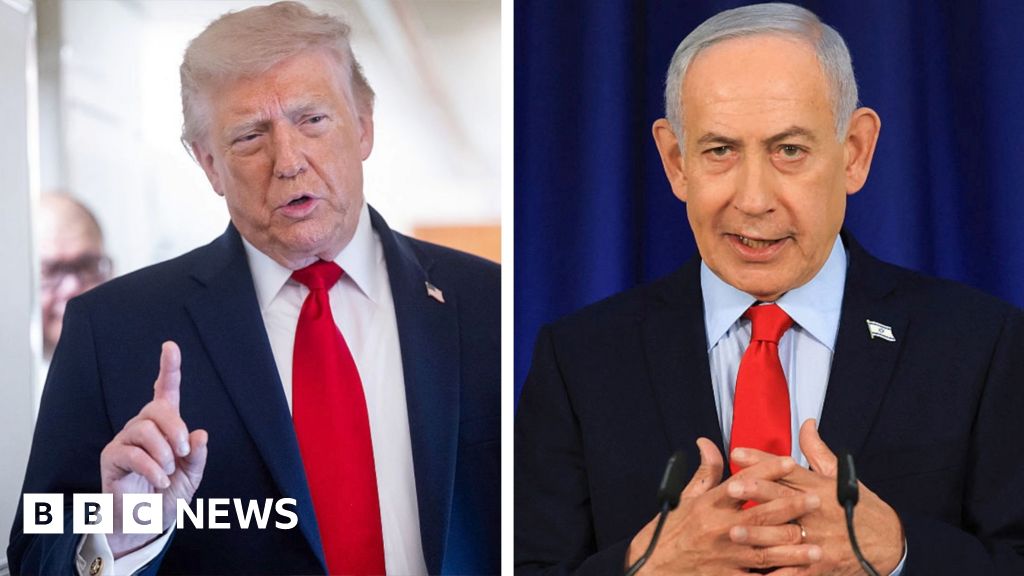
The ongoing conflict involving Iran has escalated to a point where U.S. and Israeli leaders find themselves unprepared for the fallout. Miscalculations regarding the ramifications of their actions have left both nations grappling with an unpredictable situation that could have widespread consequences for regional stability and beyond.
The Complexity of the Iran Situation
The landscape surrounding Iran is fraught with complexity. With its strategic position and extensive influence in the Middle East, any aggression against Iran can incite reactions from various factions and countries. U.S. and Israeli strategies have involved military action and economic sanctions aimed at curbing Iran’s nuclear ambitions and regional influence. However, these measures have often backfired, leading to increased tensions rather than a resolution of existing problems. The intricate web of alliances and hostilities in the region complicates any straightforward approach, making it challenging for these leaders to navigate the situation effectively.
Escalating Consequences
The repercussions of the U.S. and Israel’s recent maneuvers are becoming increasingly apparent. As military actions escalate, Iran is likely to respond with its own set of aggressive tactics, which may include retaliatory strikes or bolstered support for proxy groups across the region. These reactions can draw neighboring countries into the conflict, expanding it beyond the original scope. Economically, the fallout can also be severe, with fluctuations in oil prices and disruptions to trade routes impacting global markets. The risk of a wider conflict is not just a concern for local nations but poses challenges to international stability as well.
Implications for U.S. and Israeli Foreign Policy
For U.S. and Israeli officials, the miscalculations regarding the Iran conflict necessitate a reassessment of their foreign policy strategies. The focus on a militaristic approach may no longer be the most viable path forward. Engaging in diplomacy, fostering dialogues, and building coalitions with regional players could yield more fruitful outcomes. The necessity for a recalibrated strategy is underscored by the recognition that the current approach may perpetuate a cycle of violence that does not serve the long-term interests of either country.
The Path Forward
Moving forward, it is essential for U.S. and Israeli leaders to embrace a multifaceted strategy that balances direct engagement with Iran and its allies and invests in regional stability initiatives. This could involve working with international partners to facilitate dialogue and find common ground. Additionally, incorporating humanitarian efforts and development assistance may help in building trust and mitigating tensions. A forward-thinking approach that emphasizes cooperation over confrontation will be critical in steering the complex situation toward a more promising resolution.
In conclusion, the ongoing conflict with Iran requires a paradigm shift in how U.S. and Israeli leaders perceive and react to the situation. Miscalculating the consequences has left them in a precarious position, ripe for further escalation unless they actively seek collaborative solutions. Emphasizing diplomacy, fostering regional cooperation, and reassessing military strategies will be essential in securing a peaceful outcome for all parties involved.