
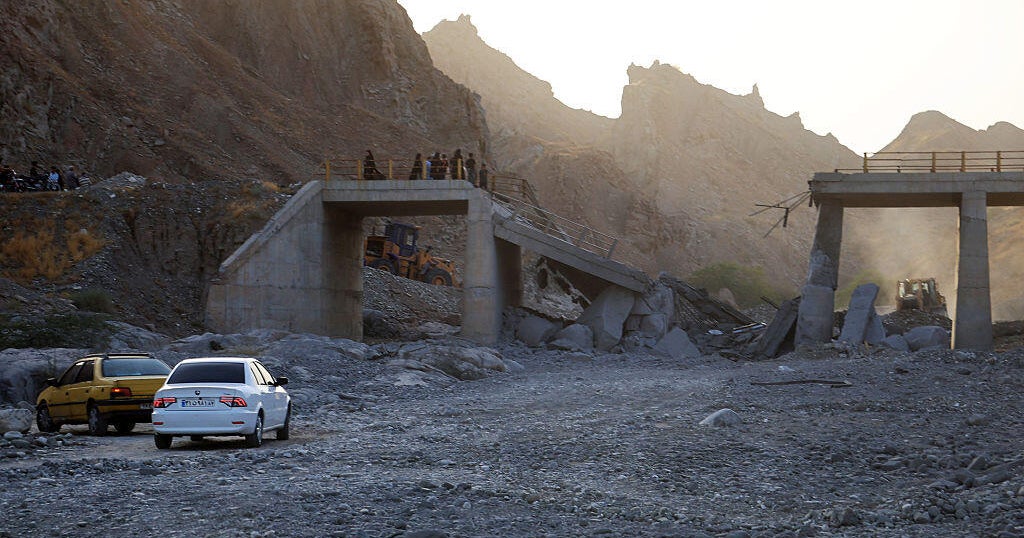
The ongoing conflict in Iran has left the American public in a state of uncertainty and frustration. Insights from recent discussions reveal that people have consistently articulated three dominant themes regarding the situation. These include confusion about the daily events transpiring in the Strait of Hormuz, recognition of significant goals that the U.S. could pursue, and a prevailing sentiment that the conflict is not progressing as anticipated. As hostilities escalate, many Americans are expressing that their feelings are primarily characterized by uncertainty and frustration, with the expectation that the conflict may extend for several more months, if not years.
Continuing Confusion and Frustration
The lack of clarity regarding the daily developments in the Strait of Hormuz continues to loom large in public consciousness. Many citizens feel that they are not being adequately informed about what is happening, which has been a persistent concern for several months. Public perception suggests that leadership is not effectively communicating the realities of the conflict. As a result, many feel that the situation is being portrayed in a more favorable light than it actually is, which further fuels frustration.
The consensus remains that, should the conflict continue, there are essential U.S. objectives to pursue, particularly the need to secure the Strait of Hormuz for energy transport, halt Iran’s nuclear ambitions, and mitigate threats to regional stability. Nonetheless, there is a widespread belief that achieving these goals will not be straightforward. Public opinion indicates that a significant number of individuals suspect the conflict will persist for an extended period, creating a backdrop of anxiety and concern for both current and future developments.
Public Sentiment on Military Actions
A prevailing view among Americans is a preference for ending military operations rather than aggressively seeking additional concessions from Iran. However, support for an immediate cessation of military actions has notably diminished following the collapse of a ceasefire agreement. This shift appears to be more pronounced among Republican respondents, who initially backed efforts to conclude hostilities but have since changed their stance in light of recent developments.
Among the one-third of citizens who advocate for pressing Iran further for concessions, the objectives outlined earlier remain highly significant. Younger demographics tend to favor ending military operations sooner than their older counterparts. This generational divide highlights varying outlooks on military engagement and foreign policy, with younger individuals generally expressing a desire for de-escalation.
The Economic Landscape and Its Effects
The overall economic environment in the U.S. has seen little change; inflation continues to outpace income growth, a fact contributing to dissatisfaction among the populace. Many individuals believe that the current administration has not prioritized addressing rising prices, focusing instead on less pressing issues. Gas prices, specifically, remain a significant source of hardship for a considerable portion of the population, and there is a noticeable correlation between adverse economic experiences and the public’s disapproval of military actions.
In addition, public perception of the economy remains predominantly negative, marking a trend that has persisted for years. Although general sentiment has stabilized somewhat after recent lows, ongoing financial challenges continue to shape opinions about the administration’s effectiveness. Those who feel their earnings aren’t keeping up with inflation are predominantly against new tariffs, suggesting a front of resistance against economic policies perceived as exacerbating current challenges.
In summary, as the conflict in Iran continues, the U.S. public grapples with uncertainty over military operations, communication issues, and ongoing economic challenges. The dynamics at play reveal a population caught between the desire for clarity and the need for effective policy responses to pressing international and domestic issues.