
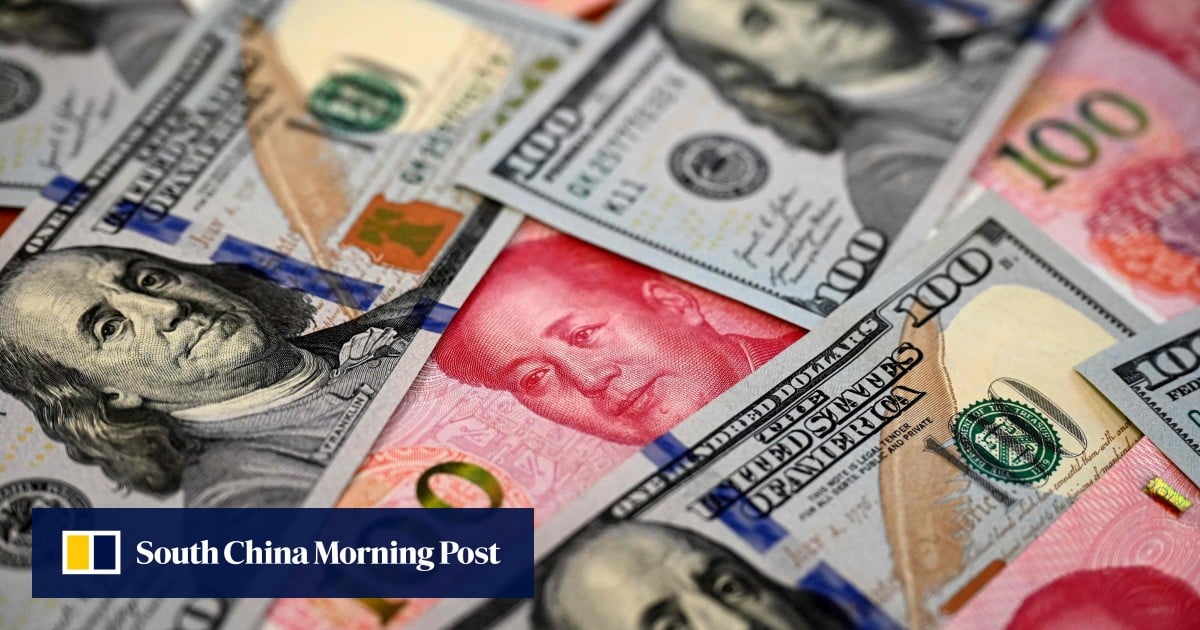
In March, foreign investment patterns shifted notably as mainland Chinese investors reduced their holdings of US Treasury bills. This trend has mirrored actions taken by other international institutions and central banks, driven largely by escalating tensions related to the US-Israel conflict involving Iran.
Investor Sentiment Amid Global Uncertainty
Analysts have suggested that the reduction in Treasury holdings reveals growing skepticism in global markets. The intensifying war in Iran has raised concerns over numerous factors, including inflation, rising energy prices, and fiscal constraints. Consequently, these developments have driven Treasury yields up, overshadowing expectations of potential interest rate cuts from the Federal Reserve. Such heightened uncertainty about future financial stability has made many investors more cautious, leading to significant divestments in US debt instruments.
Recent Changes in US Treasury Holdings
During March, China—the world’s second-largest economy—trimmed its US Treasury inventory, bringing it down to $652.3 billion from approximately $693.3 billion the previous month. This data, released by the US Treasury Department, confirmed China’s position as the third-largest foreign holder of US debt. Meanwhile, Japan, the largest foreign holder, reduced its Treasury stock by $47.7 billion to $1.192 trillion. Overall, foreign investment in US Treasuries saw a decline, with total holdings dropping from $9.49 trillion in February to $9.35 trillion in March.
Impact of Oil Prices and Economic Strategy
Robin Xing, Morgan Stanley’s chief China economist, highlighted that the anticipated adjustments to Federal Reserve policy amidst rising oil-driven inflation have caused Treasury yields to rise significantly. This situation has prompted investors to reconsider their asset allocations, resulting in marked declines in bond valuations. As global institutional investors pivot towards equities, many are maintaining a cautious approach regarding government and credit bonds, opting to keep their exposure either level or slightly underweight.
Furthermore, the ongoing conflict in the Middle East has disrupted shipping routes. This disruption has temporarily reduced the oil surplus available to exporting nations, constraining their financial capacity to engage in purchasing US debt. The combination of geopolitical tensions and economic pressures has given rise to a more conservative investment strategy among major global players, influencing decisions in the Treasury markets.
In summary, the dynamics surrounding US Treasury yields and investment approaches are evolving rapidly in light of global uncertainties and economic shifts. As the conflict in Iran continues to unfold, it will be critical for investors to remain vigilant and adjust their strategies accordingly. The decline in foreign investment in US Treasuries illustrates the intricate relationship between geopolitical issues, economic performance, and investor confidence, making it essential to watch for further developments in this space.