
China has voiced strong opposition to what it describes as “illegal unilateral sanctions” imposed by the United States following the announcement of new measures aimed at severing Iran’s revenue sources. This move highlights the ongoing tension between the U.S. and Iran, and how it complicates Beijing’s strategic interests in the region.
Washington’s Economic Warfare Against Tehran
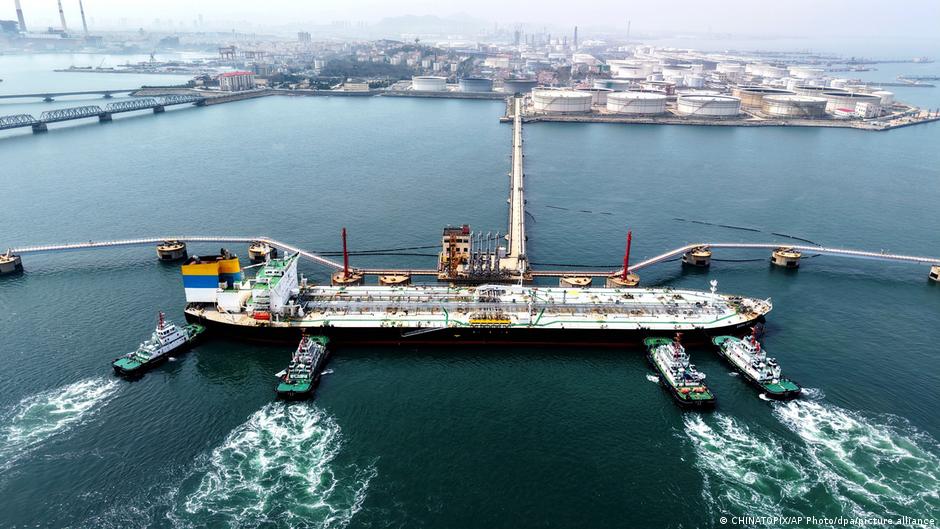
Earlier this week, U.S. Treasury Secretary Scott Bessent labeled the latest sanctions against Iran an “economic D-Day.” He cautioned that any financial dealings with the Iranian regime could invite severe repercussions, asserting that no entity is beyond the reach of American sanctions. These measures aim to cut off all economic lifelines to Iran, particularly as the U.S. seeks to diminish Tehran’s capabilities. Iran’s close economic ties with China complicate U.S. strategies, as China has been a primary source of revenue for Tehran, predominantly through oil imports.
While U.S. sanctions primarily target smaller entities and individuals within China and Hong Kong, major Chinese banks have been spared—for now. The focus remains on disrupting networks involved in Iran’s nuclear efforts and military technology procurement. Chinese refineries, often referred to as “teapot” refineries, are notorious for circumventing sanctions via rebranding and using intermediaries, thus allowing the continued flow of Iranian oil to China.
The Fine Balance of China’s Foreign Relations
China’s Foreign Ministry has emphasized that its cooperation with Iran adheres to international law and should not be undermined. Beijing aims to maintain a delicate balance between supporting Iran and fostering positive relationships with its rivals in the region, including Saudi Arabia and the UAE. As the geopolitical landscape shifts, China is navigating its trade and strategic partnerships carefully to avoid alienating key players while keeping its interests in Iran intact.
The complexities of Middle Eastern politics will likely be a focal point when Iranian President Masoud Pezeshkian attends the upcoming Shanghai Cooperation Organization (SCO) summit at the end of August. This summit will provide a platform for discussing Eurasian security and is integral to China’s broader strategy in countering U.S. influence in the region.
Implications of U.S.-China Relations
Concerns are rising over the waning power of the U.S. in the Middle East, especially highlighted by recent military setbacks in the Iranian conflict. Observers believe that this evolving dynamic provides China an opportunity to fortify its economic and diplomatic ties with Iran without yielding to U.S. pressure. China’s call for a diplomatic resolution to the crisis contrasts sharply with Washington’s confrontational strategies, which include attempts at economic strangulation.
Amid these escalating tensions, the impending summit between U.S. President Donald Trump and Chinese leader Xi Jinping looms large. Analysts suggest that both nations will refrain from extreme actions regarding Iran as they prepare for what is expected to be a critical meeting. However, should the U.S. decide to impose additional sanctions on large Chinese enterprises, Beijing may retaliate while simultaneously reinforcing its bilateral ties with Iran.
As both countries tread carefully in their diplomatic engagements, the potential for confrontation over the Iran issue remains high, even as they engage in dialogue. The U.S.-China rivalry is set to shape the future of not just the sanctions landscape but also the broader dynamics of power in the Middle East.