
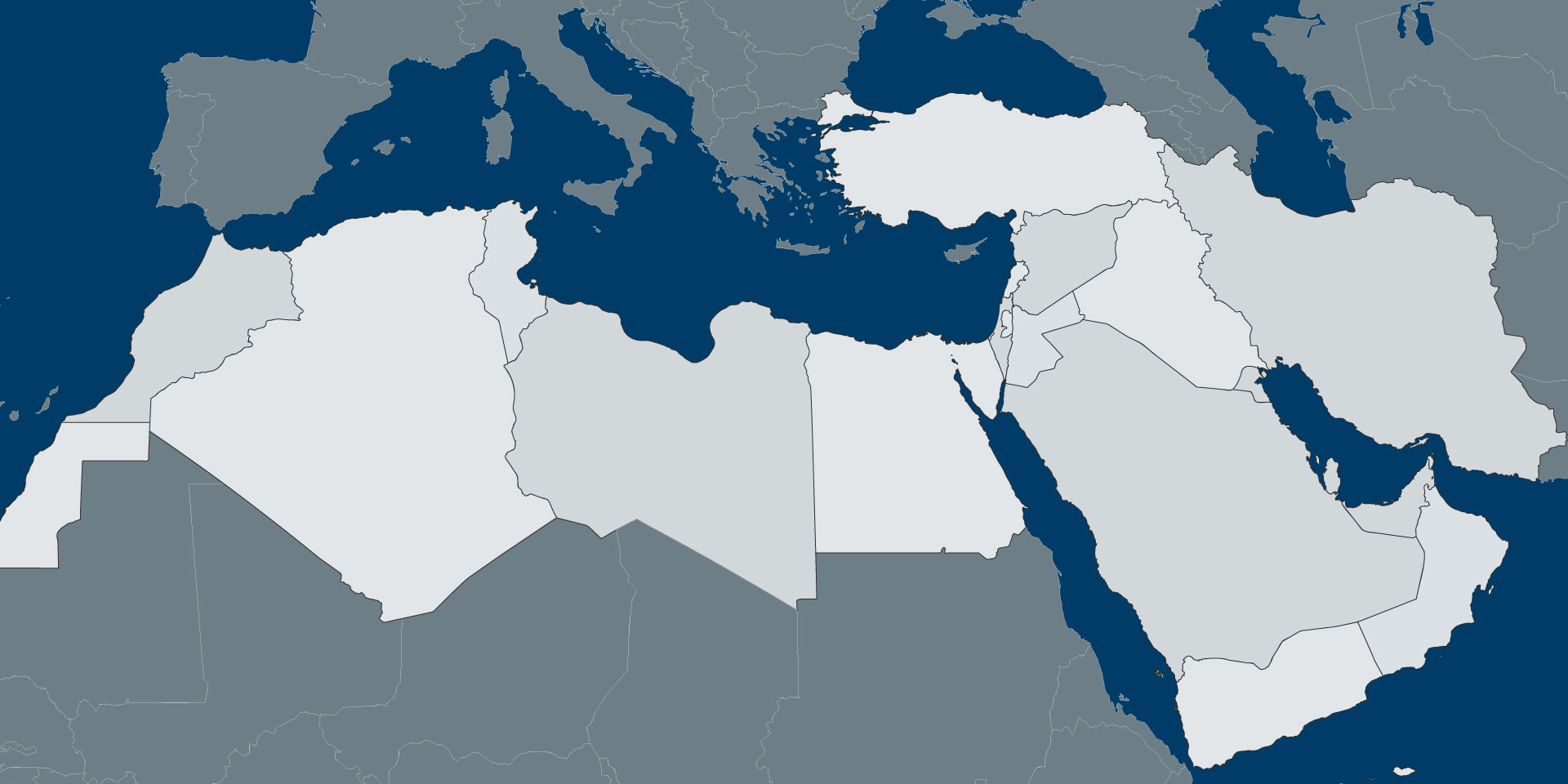
The U.S. military action against Iran in late February was aimed not just at curbing its nuclear ambitions but also at addressing the long-term strategic fallout from America’s earlier decisions, particularly its intervention in Iraq. This article explores how the dynamics in the Middle East have shifted, especially after the fall of Bashar Assad’s regime in Syria in late 2024.
Strategic Implications of U.S. Intervention
The invasion of Iraq in 2003 has been widely criticized for its unintended consequences. Initially intended to establish democracy and stability in the region, the outcome was chaos, which allowed extremist factions to flourish. The recent attack on Iran represents a significant pivot in U.S. foreign policy, aiming to rectify the geopolitical challenges that have arisen since Iraq’s destabilization. Washington views a robust stance against Iran as crucial not only to prevent it from obtaining nuclear weapons but also to reassert American influence in an increasingly complex Middle Eastern landscape.
The Shift in Regional Power Dynamics
The collapse of Assad’s regime in Syria opened a new chapter for the U.S. and its allies. It marked a pivotal change, enabling Washington to reconsider its strategy in the region. The emergence of new political entities and alliances in the post-Assad era presents both challenges and opportunities. The power vacuum left by Assad’s exit has led to increased competition among various factions, including Iranian proxies, Sunni extremists, and other local actors. For the U.S., this chaotic environment highlights the necessity of having a proactive strategy to counteract Iranian influence and support the establishment of stable governance structures.
The Role of Iraq in U.S. Strategy
Iraq is central to the U.S. strategy for countering Iran and ensuring regional stability. The country serves as a crucial link between Iran’s influence in the East and the broader Arab world in the West. A stable Iraq, one that leans towards U.S. interests, could effectively serve as a buffer against Iranian expansion into the Levant and beyond. Conversely, a fractured Iraq would likely further exacerbate the complexities in the region, allowing Iran to strengthen its foothold.
Future Prospects for U.S.-Iran Relations
Moving forward, how the U.S. navigates its relationships with both Iraq and Iran will be key to shaping the future of the Middle East. Diplomatic efforts must be coupled with military posturing to create a geopolitical balance. As tensions rise, the potential for miscalculation remains high, making it imperative for Washington to engage in meaningful dialogue while simultaneously maintaining a robust defensive posture.
In conclusion, the modern geopolitical landscape necessitates a comprehensive and nuanced understanding of the multifaceted relationships within the Middle East. The U.S. military action against Iran serves as a reminder of the ongoing challenges inherited from past decisions, particularly those related to Iraq. The success of U.S. strategy in the region will depend not only on military might but also on a deep understanding of the local dynamics and partnerships that can facilitate long-term stability.