
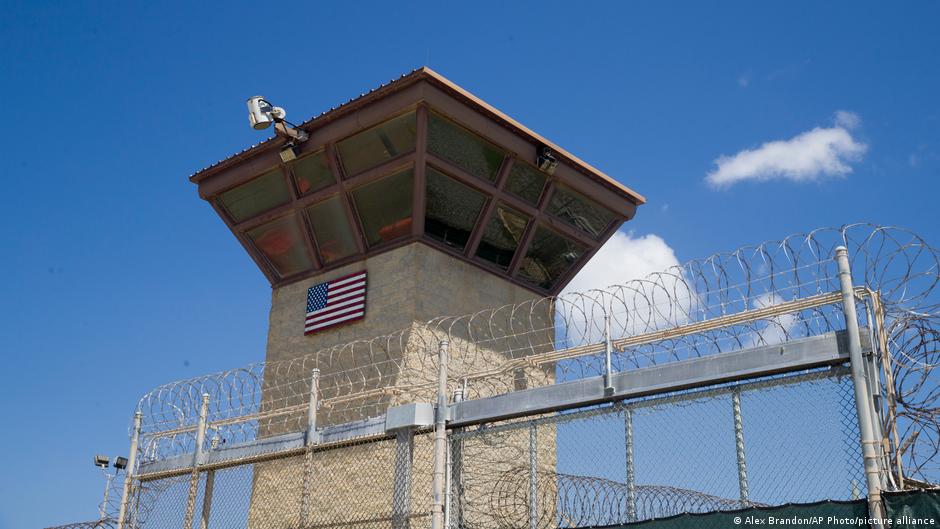
Cuba’s recent acquisition of more than 300 military drones has raised significant security concerns for the United States. Citing classified intelligence, a report from Axios indicates that these developments come as Cuba explores the potential use of these drones in military actions against U.S. assets, particularly focusing on the naval base at Guantanamo Bay and other strategic targets like Key West, Florida.
Threat Assessment of Drone Warfare
The rise of drone warfare is alarming to U.S. officials, particularly in light of the involvement of Iranian military advisers in Cuba. A senior American official expressed anxiety over the implications of such technology being positioned close to U.S. soil. Their concerns are compounded by the potential collaboration among various hostile entities, ranging from terrorist organizations to drug cartels, and even nations like Russia and Iran. The official categorized this development as a “growing threat,” highlighting the broader geopolitical implications of Cuba’s arms accumulation and military modernization.
Cuba’s procurement efforts reportedly include advanced attack drones sourced from Russia and Iran, underlining a significant shift in military capabilities since 2023. U.S. officials have noted Cuba’s continued interest in enhancing its drone arsenal, which adds another layer of complexity to an already tense relationship between the two countries.
Cuba’s Official Response
Cuba’s Foreign Minister, Bruno Rodriguez, has vehemently denied the accusations, labeling U.S. claims as baseless and illustrative of a “fraudulent case” aimed at justifying economic sanctions and potential military intervention. He claimed that the U.S. government is instigating a narrative that serves to legitimize its ongoing economic warfare against the Cuban populace. While Rodriguez did not specifically address the drone allegations in his statements, his comments reflect the ongoing diplomatic friction between the two nations.
Cuba’s strategy seems to involve countering international pressures by asserting its desire for peace while simultaneously enhancing its military capabilities. Rodriguez emphasized that Cuba neither poses a threat to nor seeks conflict with the U.S., aiming to reshape the narrative surrounding its military investments.
Heightened U.S. Pressure and Consequences
The Axios report emerges during a period of increasing U.S. pressure on Cuba, including reports that U.S. authorities are considering indictments against Raul Castro, the former president. Additionally, CIA Director John Radcliffe’s visit to Cuba signals a heightened focus on monitoring the island’s military developments. In his discussions on the island, Radcliffe purportedly warned Cuban officials against becoming a “safe haven for adversaries” in the Western Hemisphere.
The Trump administration has also taken significant steps to disrupt Cuba’s oil supply, threatening penalties against nations that export oil to the island. This measure has had dire consequences for the country, exacerbating power outages and fueling public discontent. Earlier statements from President Trump suggested aggressive posturing toward Cuba, claiming that the U.S. would “take over” the nation almost immediately.
As the situation unfolds, the intersection of military advancements and diplomatic conflict continues to shape the bilateral relationship, highlighting the need for ongoing monitoring and dialogue between the U.S. and Cuba to mitigate risks. Increasing military capacity within Cuba, coupled with a militarized U.S. foreign policy, could set the stage for heightened tensions in an already complex geopolitical landscape.