
The 2026 FIFA World Cup is set to showcase a remarkable blend of talent, with many players representing countries different from where they were born. This phenomenon highlights the strength and influence of the global diaspora, as nearly 25% of all participants in this year’s tournament come from abroad. As the popularity of football reaches new heights across the globe, understanding these connections becomes crucial in appreciating the international landscape of the sport.
The Impact of Diaspora Players
Among the 1,248 players participating in the tournament, an impressive 288, or approximately 23.07%, have roots in other countries. Notable footballers such as Erling Haaland from Norway, Michael Olise from France, and Scott McTominay from Scotland were all born in England, showcasing the diverse backgrounds that enrich the game. Meanwhile, the U.S. Men’s National Team (USMNT) features players like Gio Reyna and Sergiño Dest, who were born outside of the United States. The allure of football continues to bridge cultures and connect players to their ancestral nations, turning the World Cup into a melting pot of heritage and identity.
The Evolution of National Representation
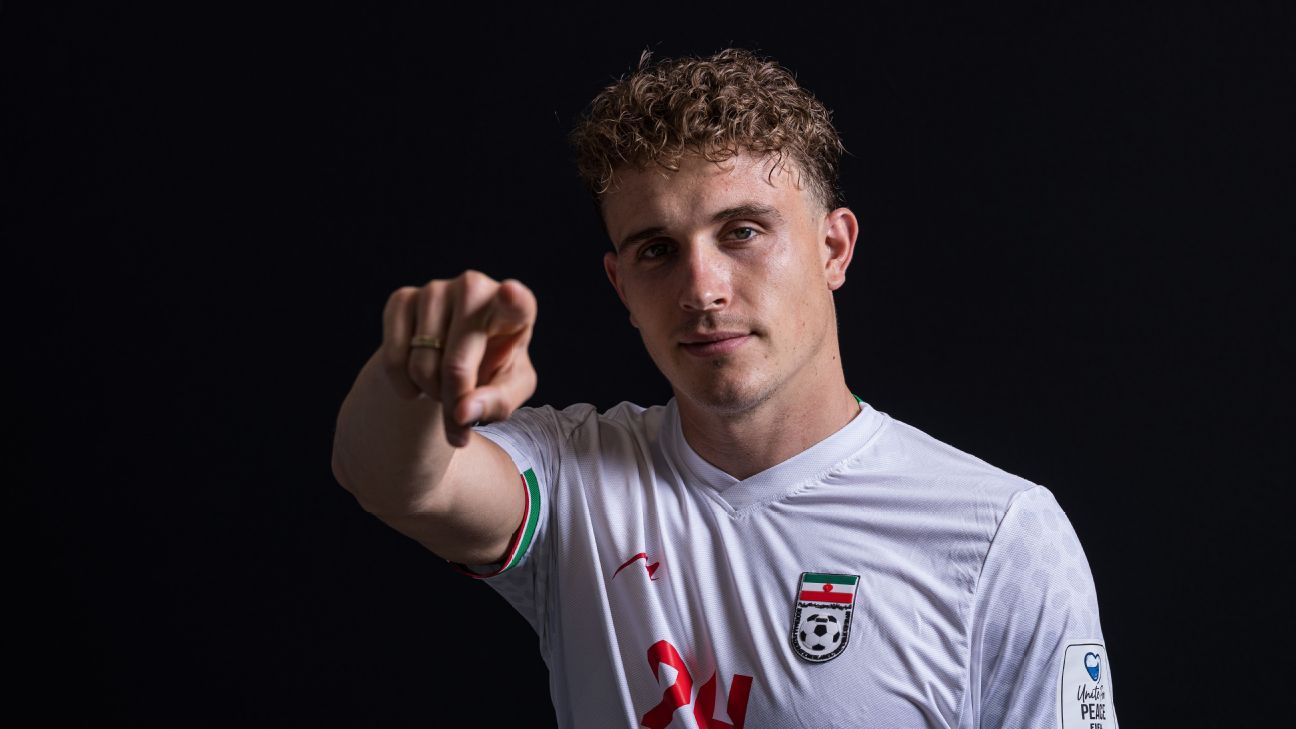
The practice of incorporating ancestry into national teams has evolved significantly since Ireland first leveraged the so-called “Granny Rule” at the 1990 World Cup. Back then, 13 Irish players were born abroad. This trend has only gained momentum, with countries like Cape Verde also tapping into talents born in different regions. For instance, Pico Lopes, who was born in Dublin, managed to secure a spot on Cape Verde’s national squad through social media outreach. However, one story stands out at this World Cup: Dennis Dargahi’s journey to represent Iran is a unique tale of perseverance and passion.
Dargahi’s Journey to Citizenship
Dargahi’s journey is marked by significant challenges, including a name change and the pursuit of citizenship fueled by a viral Instagram post from his well-known aunt, Anahita Dargahi. Originally a player for Germany’s under-19 team, his path took a decisive turn when he sought to explore his Iranian heritage. After undergoing a DNA test to confirm his ancestry—a tedious process involving his father’s travel to Tehran—Dargahi finally obtained his Iranian passport just in time for the World Cup. As he prepares to make his debut, his story illustrates the intersection of personal identity and professional aspirations within the realm of international football.
A Community and Cultural Significance
The broader implications of players like Dargahi representing their countries extend beyond the pitch. It symbolizes the rich tapestry of cultural identities within national teams and showcases how football acts as a unifying force across continents. This dynamic is particularly evident in Los Angeles, where a considerable Iranian community comes together to celebrate their connection to Dargahi and the Iranian national team. As they rally around their team, they also embrace their heritage, reinforcing the idea that football can transcend boundaries and foster a sense of belonging.
With the stage set for an exhilarating World Cup, the narratives surrounding players’ diverse backgrounds are as captivating as the matches themselves. The 2026 tournament promises not only to deliver thrilling football but also compelling stories that reflect the global nature of the sport. In a world increasingly characterized by migration and interconnectedness, these players reaffirm that football is not just a game; it’s a powerful reflection of who we are and where we come from.