
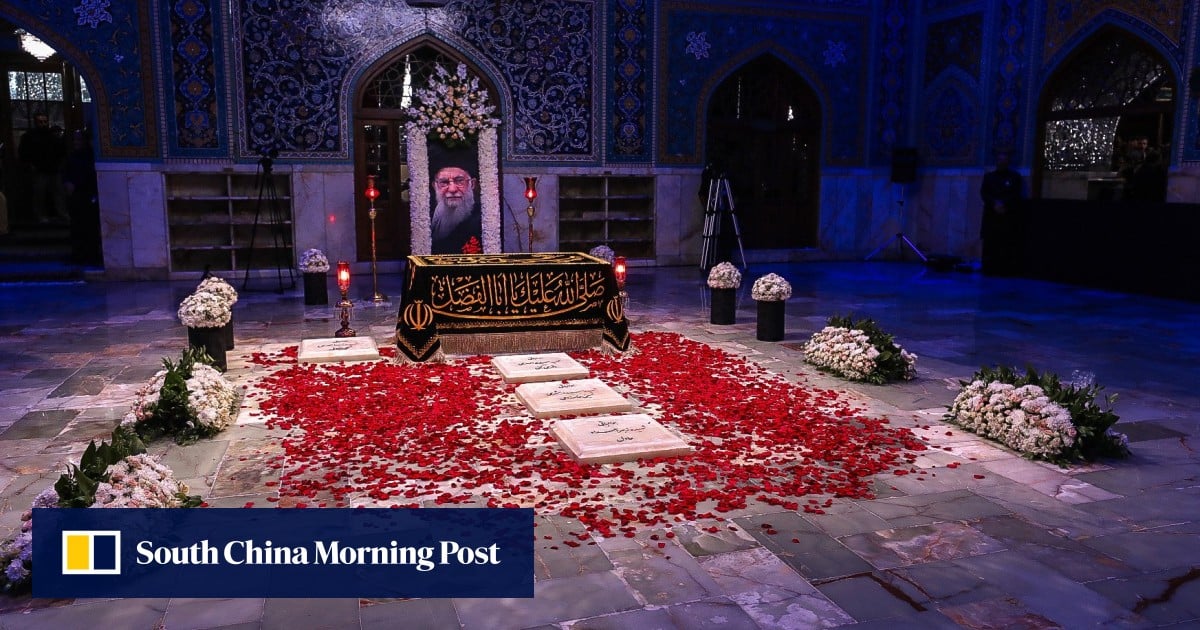
In early October, the passing of Ayatollah Ali Khamenei led to significant diplomatic discussions regarding Indonesia’s response. Indonesia, which holds the distinction of being the country with the largest Muslim population, initially opted to send only its ambassador to the funeral in Tehran. This decision sparked debates concerning Jakarta’s non-aligned stance in international relations and raised questions about the efficacy of President Prabowo Subianto’s approach to foreign diplomacy.
Indonesia’s Diplomatic Dilemma
The choice to minimize the representation at Khamenei’s funeral reflects deeper issues within Indonesian foreign policy. Notably, criticisms arose, suggesting that this decision may have been viewed as disrespectful to Iran. One former Indonesian ambassador labeled the absence of higher-level officials as a “slap in the face,” implying that the diplomatic gesture was inadequate given the significance of the occasion. This remark opened a dialogue regarding the potential influence of Washington on Jakarta’s choices in such matters.
A closer look reveals that Iran’s attempts to engage with the Indonesian government have reportedly been met with silence. Dino Patti Djalal, a former ambassador to the United States and a prominent voice in Indonesian politics, expressed concern over this diplomatic freezing. He indicated that despite Iran’s overtures, Jakarta’s reluctance to respond highlighted an evolving dynamic in its foreign relations. Djalal noted, “They have their own pride, too – they wouldn’t beg for our presence,” which illustrates a perceived sense of independence that Indonesia holds in its international engagements.
Impact on Indonesia’s Foreign Relations
Indonesia’s cautious diplomatic approach may signal a shift in its foreign relations landscape, particularly concerning its ties with Islamic nations like Iran. The traditional view of Indonesia as a neutral ground and a key player in the Muslim world is being challenged. Observers are questioning whether Indonesia’s commitment to a “free and active” foreign policy, which emphasizes independence and adaptability, is beginning to waver under pressures from Western influence, particularly from the USA.
This situation raises larger concerns about Indonesia’s positioning on the international stage. The decision to prioritize an ambassadorial presence over higher-level participation suggests that Jakarta may be grappling with external pressure while trying to maintain its national interests and sovereignty. Djalal’s statement highlights the potential crumbling of a foreign policy that has historically sought to balance various influences, reinforcing the idea that Indonesia may need to reassess its diplomatic strategies in light of changing geopolitical realities.
The Way Forward for Indonesia
Looking ahead, Indonesia must navigate its relationships with both Western powers and Islamic nations carefully. The recent events underline the importance of effective communication in international relations. A failure to engage meaningfully may lead to further isolation and complications in diplomatic ties.
As Indonesia strives for a balanced foreign policy, it must address the perceptions and expectations of its partners. A more proactive diplomatic approach could foster improved relations with Iran and other Muslim-majority nations while maintaining the delicate balance with global powers. The future of Indonesian diplomacy will rely on its ability to showcase its independence while managing the diverse pressures from the international community, ensuring that it remains a key player in regional and global discussions.