
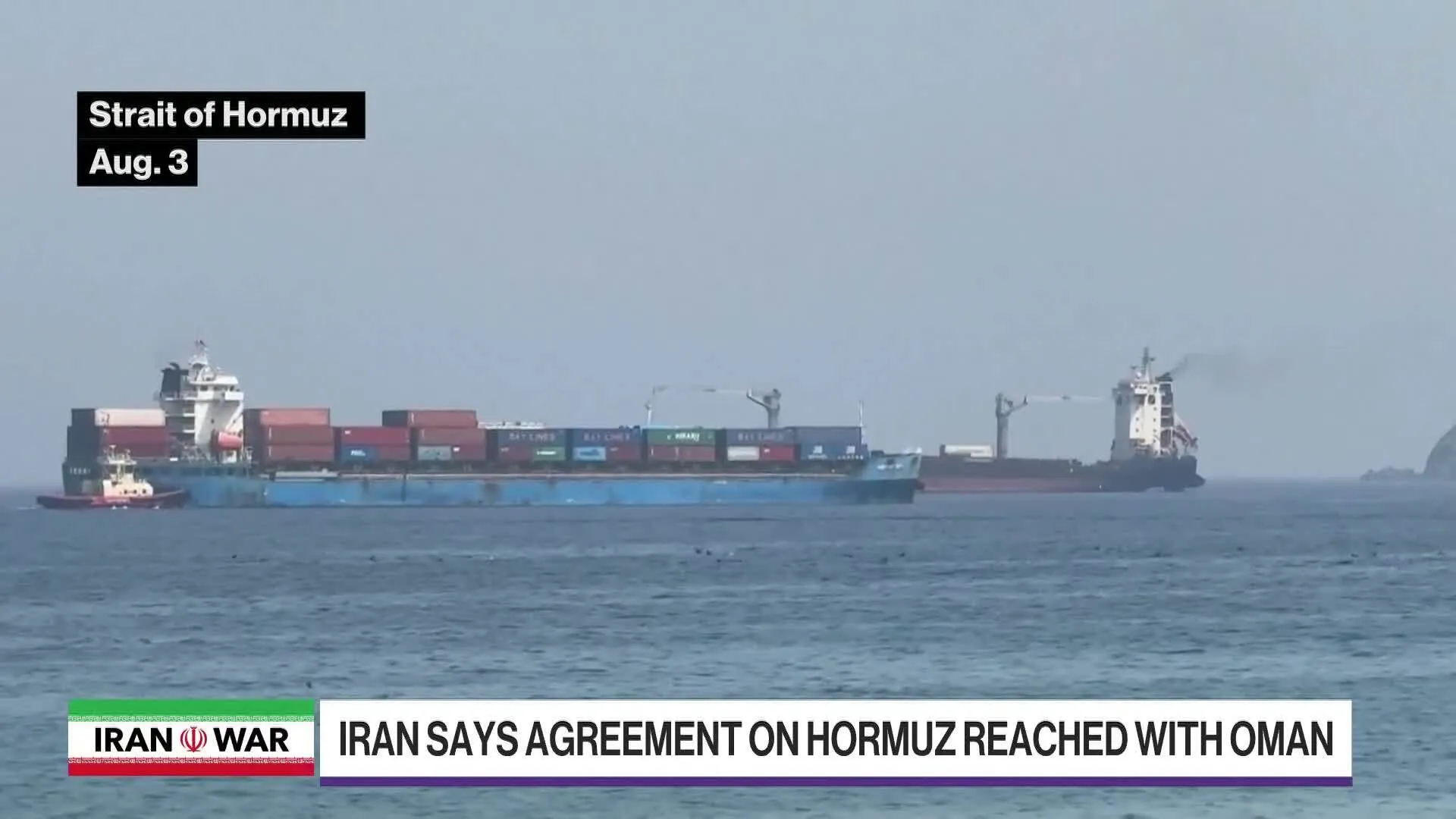
Iran has recently announced a potential agreement with Oman regarding a proposed shipping route through the Strait of Hormuz. This development could signify a significant step toward reopening this crucial maritime passage, which is vital for global energy supplies. Here’s an overview of what this agreement entails and its implications for the international energy market.
Understanding the Agreement
The discussions between Iran and Oman center around optimizing shipping lanes in the Strait of Hormuz, a pivotal area that sees approximately 20% of the world’s oil trade. The proposed agreement aims to enhance the safety and efficiency of maritime navigation in these waters, particularly amid rising geopolitical tensions and disruptions in supply chains. While specific details of the agreement remain sparse, the focus appears to be on establishing clearer guidelines and coordination measures for vessels navigating this heavily trafficked strait.
Significance of the Strait of Hormuz
The Strait of Hormuz is more than just a geographical landmark; it is a global energy lifeline. This narrow passage divides the Persian Gulf from the Gulf of Oman, serving as a conduit for oil and gas exports from five neighboring countries, including Iran, Iraq, Saudi Arabia, the UAE, and Kuwait. Any disruption in this key shipping route can have catastrophic implications for energy prices and global security. Historically, conflicts in the region have raised alarms about the stability of this vital waterway, making agreements like the one between Iran and Oman crucial for maintaining open passage for energy supplies.
Impacts on Global Energy Supplies
If the agreement is finalized and implemented effectively, it could lead to a more stable and secure environment for shipping in the Strait of Hormuz. This increased security could positively influence global oil prices, providing reassurance to market participants. Furthermore, a reliable shipping route would facilitate smoother operations for major oil exports and international energy trade, which is particularly important in times of fluctuating demand and supply chain challenges. Energy producers and consumers alike would feel the effects, with a stabilized market potentially benefiting economies worldwide.
Looking Ahead
As this agreement progresses, it will be essential to monitor further developments and the reactions from other stakeholders in the region. The diplomatic dialogue between Iran and Oman may open doors for additional agreements with other nations that utilize this strategic waterway. The geopolitical landscape surrounding the Strait of Hormuz is complex, and the cooperation shown by Iran and Oman could foster a more collaborative approach to maritime security. Ultimately, the success of this agreement will depend on the commitment of both nations to implement its provisions effectively while navigating the intricate web of regional politics.
In conclusion, the potential shipping agreement between Iran and Oman represents an important step toward stabilizing a critical corridor for global energy supplies. As such agreements unfold, they hold great significance not just for the parties involved but also for the wider international community that relies on safe and secure maritime routes.