
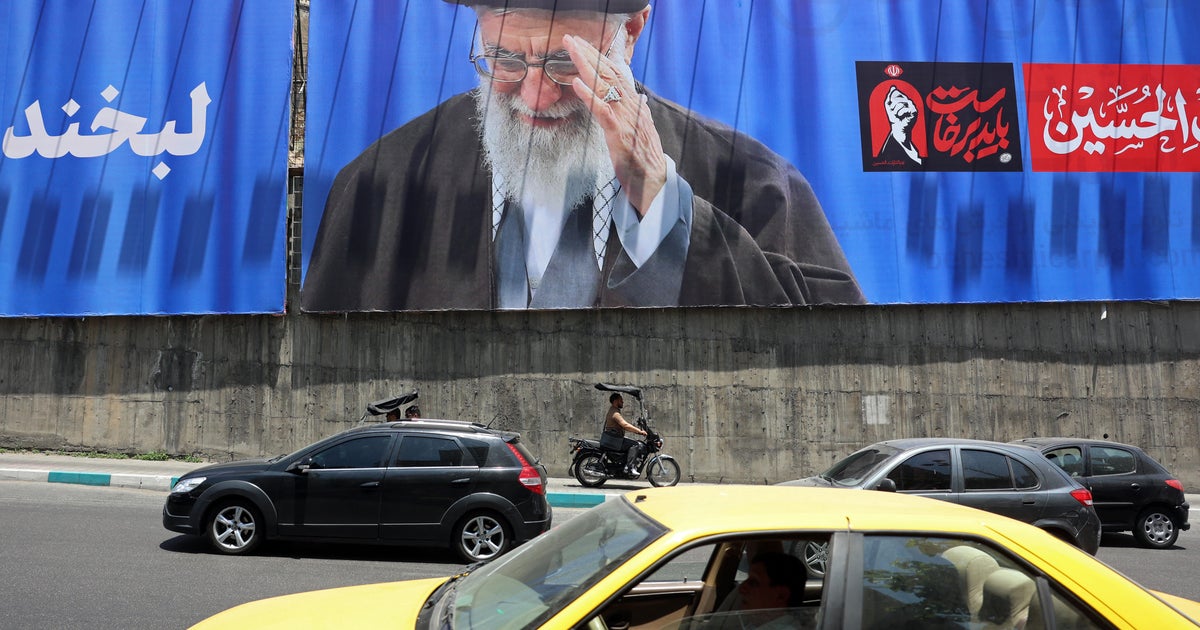
Vice President JD Vance recently stated that discussions in Doha regarding Iran are progressing positively. However, he made it clear that the possibility of resuming extensive military operations cannot be entirely dismissed, largely depending on Iran’s actions.
Current State of Negotiations with Iran
After engaging with Marines at Naval Air Station Oceana in Virginia, Vance emphasized the uncertainty surrounding the negotiations. “I can’t commit to anything because it hinges on the Iranians’ decisions,” he mentioned to reporters. The Vice President highlighted that while military intervention is not the preferred option, it remains a consideration if circumstances warrant it. “The president will not deploy our military unless absolutely necessary and if there’s a specific objective to achieve,” he added.
Vance underscored that the next steps depend heavily on Iran’s behavior. He indicated that any attempts by Iran to advance its nuclear capabilities or to target commercial vessels could alter the U.S. response. His comments suggest that the current U.S. strategy is focused on negotiation rather than confrontation. “Right now, the president is advocating for good faith negotiations,” he stated, reflecting the administration’s preference for diplomatic channels.
Concerns Over Iran’s Nuclear Program
Vance’s remarks imply that discussions specifically about Iran’s nuclear ambitions have yet to commence. He pointed out the continuing apprehensions regarding the nuclear issue, affirming that the U.S. is set to address it soon. “We are concerned about the nuclear situation, and we’re preparing to engage in those discussions,” Vance explained. Despite the complexities of the negotiation process, he reassured that the initial talks are going favorably.
The Vice President also reiterated a set of established conditions that could prompt a reconsideration of the U.S. military stance towards Iran. According to Vance, if Iran moves to resume its nuclear program, obstructs international inspections, or resumes attacks on commercial vessels—actions they had halted temporarily—the U.S. may reassess its strategy. “The president retains a range of options available,” he affirmed, cautioning that the situation is fluid and dependent on Iran’s next moves.
The Path Forward in Iran Relations
As negotiations unfold, the administration remains committed to a diplomatic approach while keeping military options as a contingency strategy. Vance’s statements convey the critical balance between promoting peaceful discussions and maintaining a readiness to respond should Iran take escalatory actions. The overarching goal remains to achieve stability in the region through dialogue, provided that Iran adheres to its commitments in regard to its nuclear program and international conduct.
The evolving dynamics of U.S.-Iran relations reflect a careful and calculated approach, aimed at avoiding conflict while being prepared for any eventuality. As both nations navigate these complexities, the importance of maintaining open lines of communication cannot be overstated, underscoring the need for clear intentions and verified actions. The coming days will be crucial in determining whether constructive negotiations can progress or if tensions will rise again.