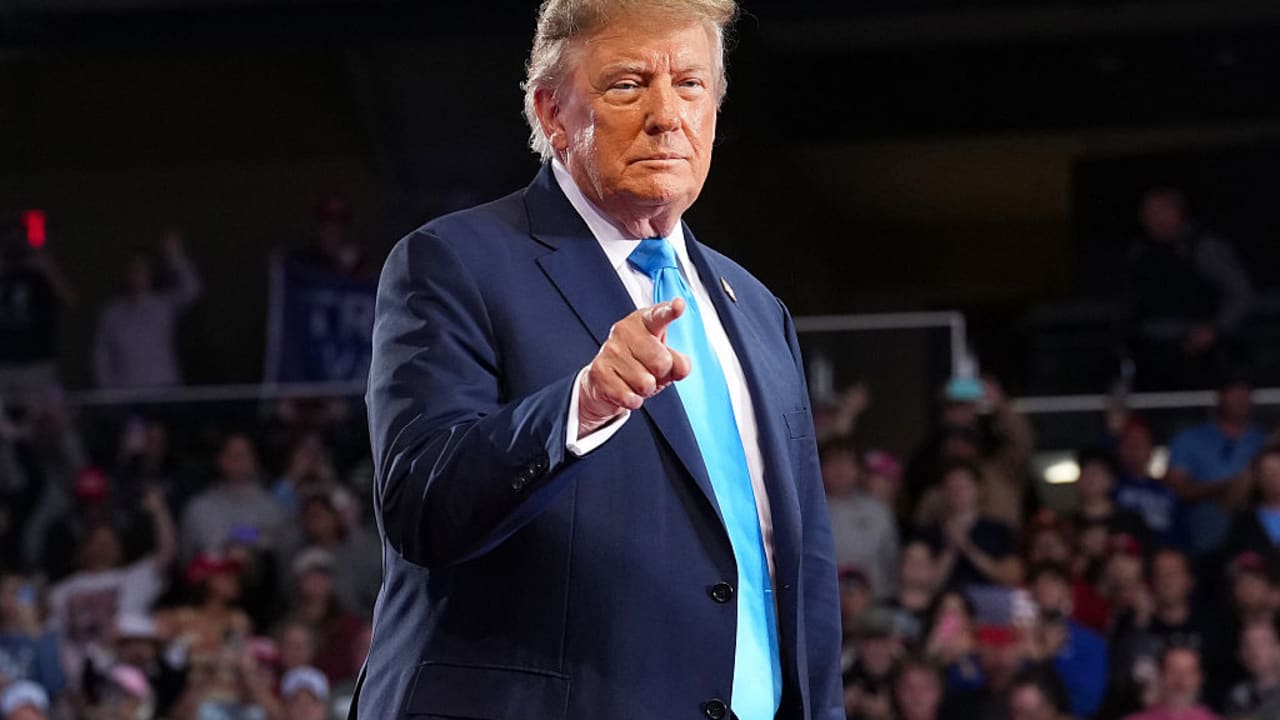
US President Donald Trump recently addressed a rally in Kansas, making a shocking claim regarding the Iranian government’s treatment of protesters. He stated that the regime has taken the lives of at least 75,000 individuals amid recent uprisings, raising significant concerns over human rights abuses in Iran.
Brutality of the Iranian Regime
Trump highlighted the extreme measures the Iranian authorities are taking to suppress dissent. He noted that the presence of military force, particularly machine guns, makes it nearly impossible for citizens to protest peacefully. This brutal crackdown has resulted in astonishing death tolls, emphasizing the Iranian regime’s disregard for human life in its quest to maintain control.
Further lamenting the dire situation, Trump asserted that the Iranian government hangs the bodies of its victims from cranes in public view. Such grotesque displays serve as a terrifying deterrent to any potential dissent and paint a grim picture of the authoritarian regime’s approach to governance. With fear and repression as the primary tools for control, it remains uncertain how long the Iranian populace will endure this suffering.
The Role of NATO in Global Security
In his remarks, Trump also touched on the implications of international alliances, particularly with NATO. He emphasized the substantial financial commitment the United States makes to NATO, arguing that this support goes unreciprocated in times of need. Despite contributing hundreds of billions annually to international defense, Trump expressed frustration that NATO allies have not stepped up to support the US when it comes to addressing threats like Iran.
“When we asked for help from NATO, which we didn’t necessarily need, but I wanted to see,” Trump remarked, pointing out a perceived lack of solidarity among allies. He emphasized that the expectations for mutual support must be reassessed and argued that nations benefiting from US protection should show greater commitment to collective security.
The International Community’s Response
The international community’s response to Iran’s treatment of its citizens has been muted, creating an atmosphere of silence surrounding these egregious human rights violations. Trump’s statements serve as a reminder of the ongoing struggles faced by activists within Iran and the pressing need for global awareness and action. The magnitude of state-sanctioned violence raises questions about the efficacy of current diplomatic strategies focused on appeasing the Iranian regime.
Critics argue that the global community must take a firmer stance against the Iranian government’s actions. Through sanctions, diplomatic isolation, and vocal condemnation, there might be an opportunity to pressure the regime into respecting human rights. However, whether the international community will rise to this challenge remains uncertain.
In conclusion, President Trump’s alarming claims highlight significant human rights abuses in Iran. The reported death toll of 75,000 protesters and the brutal tactics employed by the Iranian regime serve as a clarion call for action. Both the nature of the Iranian government and the response—or lack thereof—from the international community merit ongoing scrutiny as the world watches.