
In the ever-changing landscape of the global economy, oil prices often experience prolonged fluctuations. Understanding the factors behind these movements can provide insights into the potential timeline for any price reductions.
Reasons for Oil Price Volatility
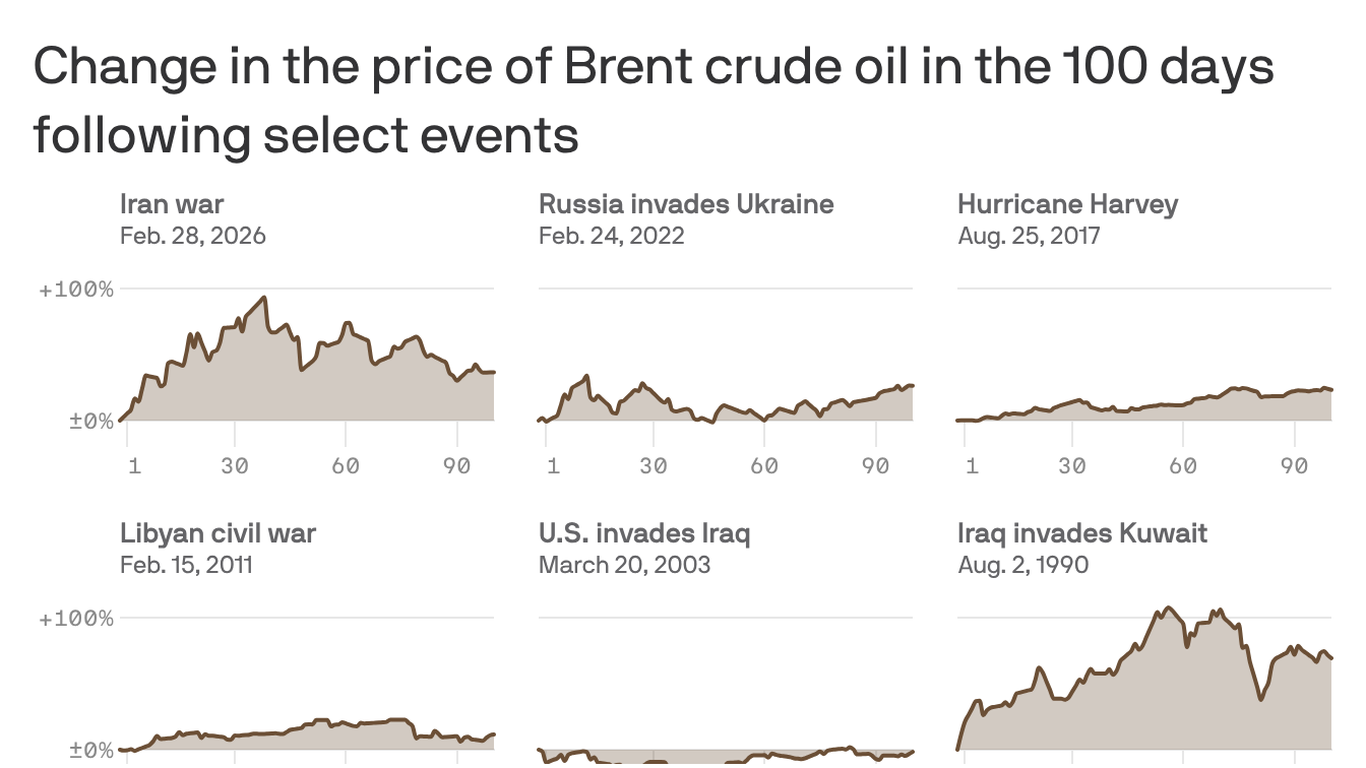
Oil prices are influenced by a myriad of factors, ranging from geopolitical tensions to changes in production levels by major oil-producing nations. Events such as conflicts in oil-rich regions or sanctions imposed on exporting countries can create immediate supply concerns, driving prices upward. Additionally, natural disasters like hurricanes can disrupt oil extraction and refining processes, also contributing to higher prices. Market speculation further complicates this landscape, as traders react to news and trends, injecting additional volatility into prices.
Economic factors play a critical role as well. A surge in demand, particularly from rapidly growing economies, can lead to an increase in oil prices. Conversely, a slowdown in economic activity can decrease demand, which might prompt a drop in prices. However, the effects of these economic indicators are often not immediate. It may take months for changes in demand to be reflected in oil prices, creating a lag that can frustrate consumers hoping for swift relief at the pump.
The Impact of Geopolitics on Oil Pricing
Geopolitical events are pivotal in shaping the oil market. When tensions arise in oil-exporting countries, or when diplomatic efforts falter, the market often reacts with fear of potential supply disruptions. For example, conflicts in the Middle East have historically led to spikes in oil prices due to uncertainties surrounding production stability. Investors may hedge their bets by speculating on these risks, further driving prices up. This interconnectedness of global events means that even localized conflicts can impact oil availability and pricing across the globe.
Additionally, decisions made by organizations like OPEC (the Organization of the Petroleum Exporting Countries) significantly influence the dynamics of oil pricing. When OPEC decides to cut production to stabilize or increase prices, it can take several months for the impact to reach consumers, as markets adjust to the new supply levels. These strategic choices reflect both short-term and long-term visions of market stability, influencing how quickly, if at all, prices will decline.
Market Speculation and Consumer Expectations
Market sentiment plays a substantial role in oil pricing as well. Speculators often buy and sell oil futures based on anticipated market conditions, creating additional fluctuations that can seem disconnected from actual supply and demand. This speculative behavior means that oil prices can take unexpected directions based on fear or optimism rather than tangible events.
Consumers play a vital part in this narrative as well. The expectations and reactions of everyday individuals can create a feedback loop that influences market behavior. For instance, if consumers perceive that prices will continue to rise, their buying patterns may shift, prompting further speculation and possible price increases. Ultimately, this interplay between market sentiment, geopolitical events, and economic performance contributes to the complexity of oil pricing and the timeline for any potential decreases.
In summary, while oil prices may eventually fall, the timeline for such changes is often unpredictable. The interplay between geopolitical realities, market speculation, and economic conditions creates a landscape where consumers may find relief from high prices a prolonged wait. Understanding these dynamics is essential for stakeholders and consumers alike as they navigate the challenges of fluctuating oil prices.