
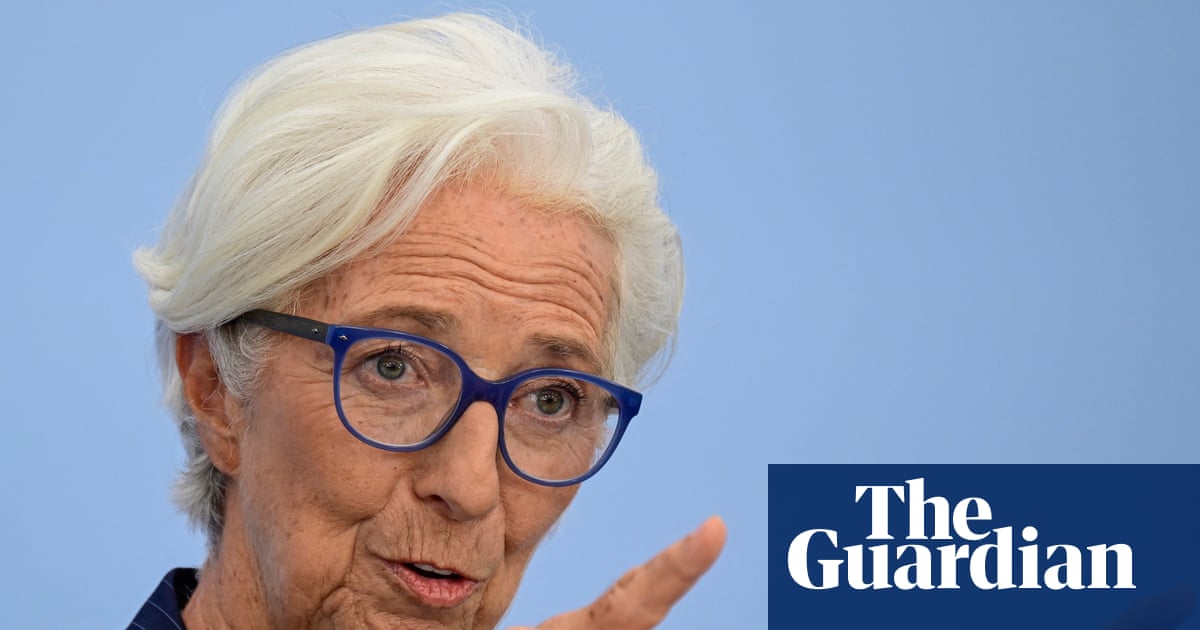
The European Central Bank (ECB) has lifted interest rates once again, bringing them to 2.5%. This move comes amid various factors that are contributing to escalating inflation risk for the upcoming year, particularly due to intensified conflicts in the Middle East.
Impact of Rising Oil and Gas Prices
The increase in interest rates has been accompanied by a notable spike in government bond prices, largely driven by surging oil and gas prices. Following recent attacks on vessels in the Strait of Hormuz, crude oil prices soared to over $105 a barrel, while gas prices also experienced significant increases. As a result, UK government debt has reached its highest level in nearly two decades, causing European borrowing costs to escalate.
Market analysts anticipated this interest rate hike, but the ECB’s assertive language about inflationary pressures unsettled investors. The central bank’s report highlighted concerns over rising prices across diverse sectors, emphasizing that energy costs would likely keep overall inflation metrics elevated. David Rees, Head of Global Economics at Schroders, noted that although this hike was anticipated, the future economic landscape appeared considerably more uncertain.
Current Economic Predictions
In response to these developments, the ECB has adjusted its economic growth forecast for 2026, increasing it to 0.9% from the previously estimated 0.8%. Notably, the ECB now projects an inflation rate averaging 3% over the current year. Despite this, measures of core inflation, which exclude volatile food and energy prices, remain stable for now. Rees cautioned that the current economic environment is weak, suggesting that higher borrowing costs could further inhibit growth.
Bond yields across Europe are responding to this changing landscape. For example, the yield on 10-year UK government bonds, known as gilts, surged to 5.295%, marking the highest level since August 2007. Similarly, Germany’s 30-year government bond yield increased to 5.08%, a peak not seen since December 2003, indicating concern among investors regarding the future economic outlook.
Energy Price Concerns and Market Vulnerability
The situation surrounding energy prices has raised alarms among investors, particularly regarding the adequacy of gas supplies as the Northern Hemisphere winter approaches. Current data indicate that EU gas storage is only at 67% capacity, significantly below the five-year average of 84%. Analysts at ING have pointed out that this shortage leaves the market particularly vulnerable as the region enters the heating season.
Both UK and European gas buyers have delayed stockpiling in anticipation that the Middle East tensions would ease, resulting in lower prices. However, if the conflict continues, the prospect of rising gas prices becomes increasingly likely as buyers rush to replenish supplies in anticipation of colder weather.
Moreover, recent comments from U.S. Treasury Secretary, Scott Bessent, about a planned buyback of $6 billion in government debt have further complicated matters for bond markets. While intended to stabilize the market, the investor response has been lukewarm, particularly as the total buyback was deemed insufficient. As a result, yields on 10-year U.S. Treasuries have surged to a three-year high, reflecting ongoing tensions in the market.
In summary, as central banks navigate the turbulent economic environment marked by high inflation risks and geopolitical uncertainties, both investors and policymakers remain on high alert. The decisions made in the coming months will likely have significant implications for economic stability across Europe and beyond.