
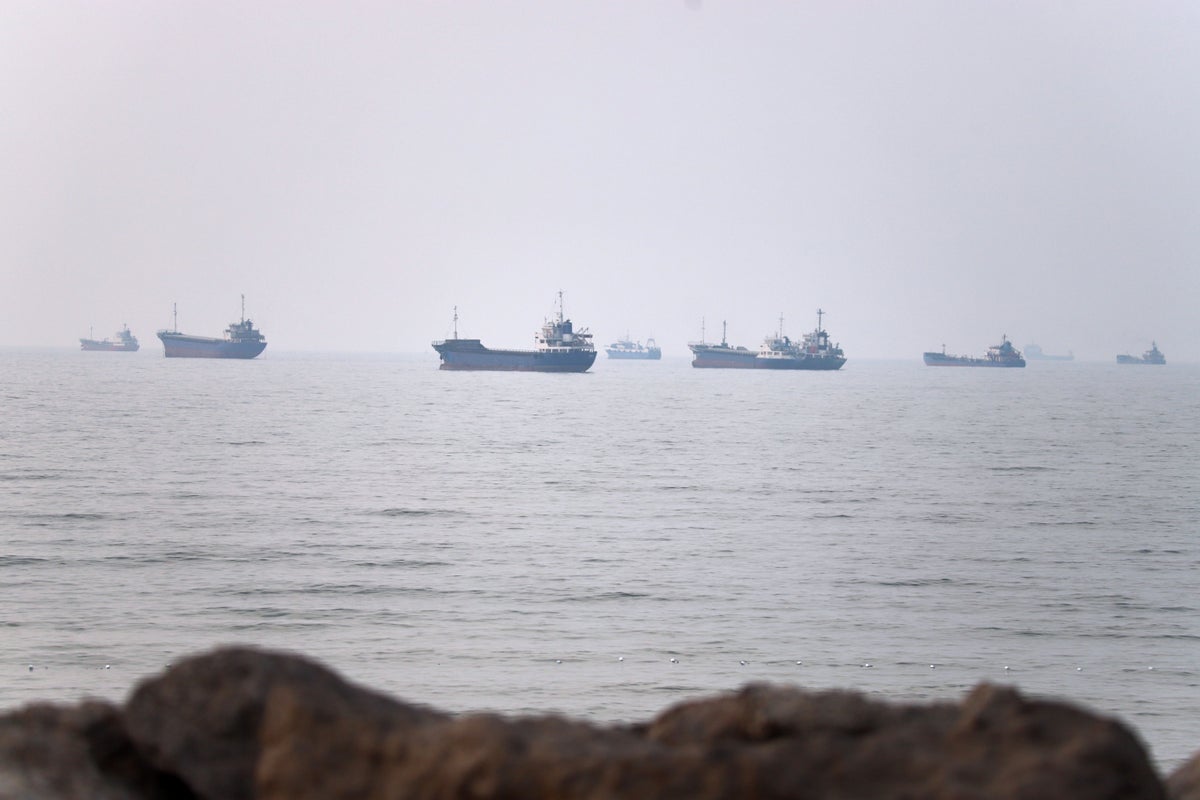
Recent discussions between the United States and Iran have reportedly shown promising advancements amid ongoing tensions, particularly concerning the strategic Strait of Hormuz. These indirect negotiations came to the forefront after a series of confrontations in the region, drawing attention to how vital this waterway is for international trade and energy security.
Current Status of Negotiations
Following the clashes over the Strait of Hormuz, both American and Iranian representatives engaged in talks mediated by Qatar and Pakistan. These discussions focused on securing maritime traffic through the strait, a critical passage for global oil and gas supplies. U.S. Vice President JD Vance emphasized that America is negotiating from a position of strength due to its military presence in the region. He confirmed that the recent negotiations related to the Islamabad memorandum of understanding, which guarantees safe passage for vessels for a brief period of 60 days.
Despite these negotiations, the urgency of the situation remains high. The United States has expressed its concerns regarding Iran’s nuclear ambitions while simultaneously attempting to ease the stranglehold Tehran has on this crucial shipping lane. The rhetoric from leaders, including Donald Trump, suggests confidence in the progress being made. However, independent maritime data indicates that the number of vessels traversing the strait is still well below pre-conflict levels, raising questions about the effectiveness of these negotiations.
Challenges in the Strait of Hormuz
The Strait of Hormuz has long been a geopolitical flashpoint, with Iran exerting its influence over the waterway. Recently, Tehran’s insistence that vessels must secure permission to navigate through the strait has raised concerns about future shipping costs and the implications for global trade. This extends to Iran’s unilaterally announced decision to conduct mine clearance activities in the area, which undermines international efforts aimed at ensuring safe passage for commercial vessels.
The complexity of negotiations is further intensified by the ongoing uncertainty surrounding Tehran’s nuclear program. While discussions are ongoing, the two parties have yet to reach a comprehensive agreement that addresses all aspects of their contentious relationship. As talks continue, the involvement of other Gulf nations may play a critical role in mediating further progress and ensuring maritime security.
The Broader Implications
As international negotiations unfold, the implications extend beyond immediate maritime concerns. The efficiency of oil and gas transport through the Strait of Hormuz affects global markets, with any disruptions potentially leading to spikes in fuel prices. During a recent speech, Donald Trump referenced falling fuel prices and attributed them to increased maritime activity. However, independent tracking has shown that vessel crossings have not returned to the levels seen prior to the escalation of conflicts.
In light of these developments, the trajectory of U.S.-Iranian relations remains uncertain. The discussions initiated in Doha are just the beginning of a lengthy process that aims to stabilize not only the Strait of Hormuz but also the broader geopolitical landscape of the Middle East. As future meetings are anticipated following upcoming commemorations, all eyes will be on how both nations proceed to navigate the challenges ahead, which will invariably impact global trade and regional stability.
In conclusion, while there may be signs of progress in U.S.-Iran negotiations, the path towards a lasting resolution remains fraught with challenges. The situation in the Strait of Hormuz illustrates the intricate link between regional security and global economic interests, dictating the urgency with which stakeholders must act.