
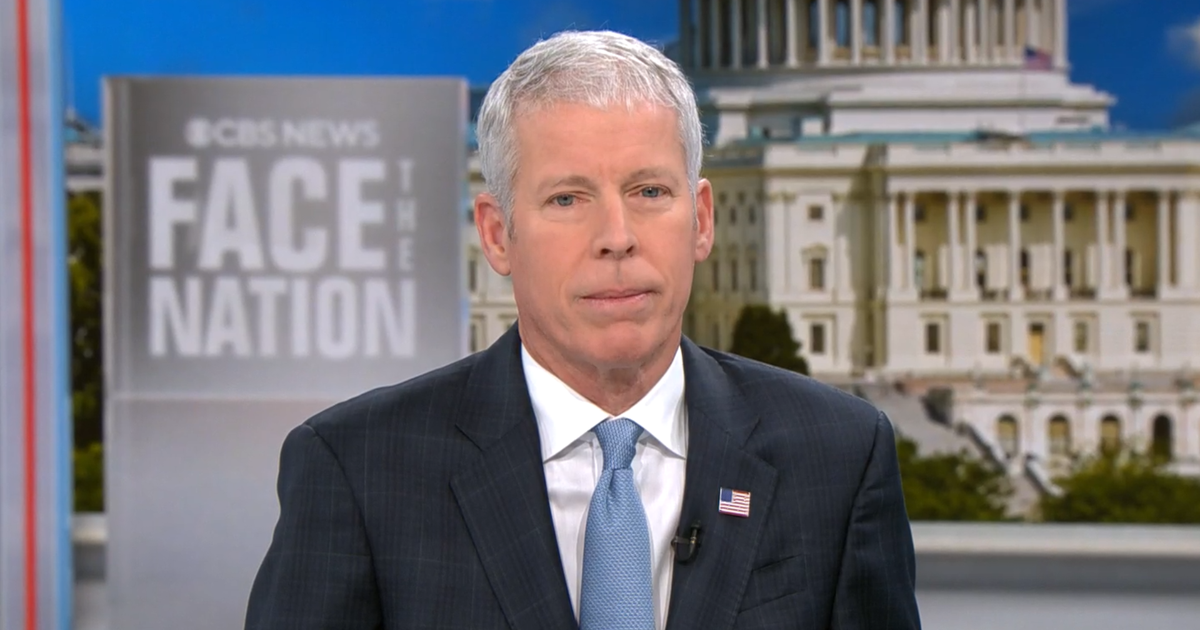
Energy Prices and Iran: Insights from Energy Secretary Chris Wright
The discussion surrounding energy prices and geopolitical tensions continues to intensify, especially in light of recent actions taken by the U.S. government. Energy Secretary Chris Wright shed light on President Trump’s strategic considerations regarding the Iranian situation, emphasizing the implications for energy markets.
Understanding the Risks of a Nuclear-Armed Iran
During a recent interview on “Face the Nation,” Wright highlighted that President Trump was fully aware of the potential risks associated with escalating energy prices due to military actions in Iran. Wright stated, “He understood the immediate financial impact, acknowledging that while he might have to endure higher prices, ensuring that Iran does not acquire nuclear capabilities took precedence.” This perspective sheds light on the administration’s rationale: the long-term risks of a nuclearized regime could pose significant threats to energy supplies and security.
The U.S. has been grappling with skyrocketing gas and diesel prices, impacting everyday Americans significantly. In response to these challenges, Wright defended Trump’s approach, reinforcing the stance against a nuclear-armed Iran by labeling it “the world’s greatest terrorist regime.” The administration believes that maintaining pressure on Iran is essential for safeguarding energy stability.
Anticipated Relief in Energy Prices
Wright expressed optimism regarding the upcoming trends in energy prices, forecasting a decline due to various factors such as increased supplies from critical oil routes like the Strait of Hormuz and a slowdown attributed to the end of the summer driving season. When questioned about the next few weeks, he expressed confidence, stating, “Absolutely, we expect prices to decrease.” The overall sentiment is that as diesel and gasoline prices have begun to taper, continued downward momentum is anticipated.
Diesel prices, which have recently been a sore point – soaring above $6.50 per gallon – have placed immense pressure on industries reliant on this fuel, including agriculture and logistics. However, Wright noted a slight reduction, estimating prices could fall below $6 in the near future. “It’s essential for our farmers and food supply chains,” he emphasized, acknowledging the pivotal role diesel plays in various sectors.
Strategies to Enhance Energy Production
Wright outlined ongoing efforts aimed at boosting both diesel and gasoline supplies. He criticized previous policies that limited the U.S.’s capacity to produce, refine, and distribute hydrocarbons, advocating for a return to strategies that foster energy production. The emphasis on securing energy supply chains is particularly crucial given the global landscape, where disruptions can lead to immediate price hikes in the domestic market.
The recent agreement from the Group of Seven countries to release 100 million barrels of fuel over the coming months was termed a “big deal” by Wright. This initiative is seen as a practical move to alleviate pressure on global energy prices, particularly as European markets seek U.S. diesel to compensate for reduced availability from other regions.
Exploring the Future of Energy Policy
As discussions about potential energy export bans linger, Wright conveyed that President Trump remains open to various strategies aimed at reducing energy costs. The administration is actively considering options to lower heating, electricity, and fuel prices while seeking to open avenues for negotiations. This ongoing dialogue highlights the administration’s commitment to analyzing various tactics to drive down energy costs.
In summary, the interplay between geopolitical tensions, energy production policies, and market prices is a complex but critical aspect of U.S. energy strategy. By fostering robust discussions and strategic planning, the Trump administration aims to mitigate the impacts of external threats while ensuring affordable energy for American consumers.