
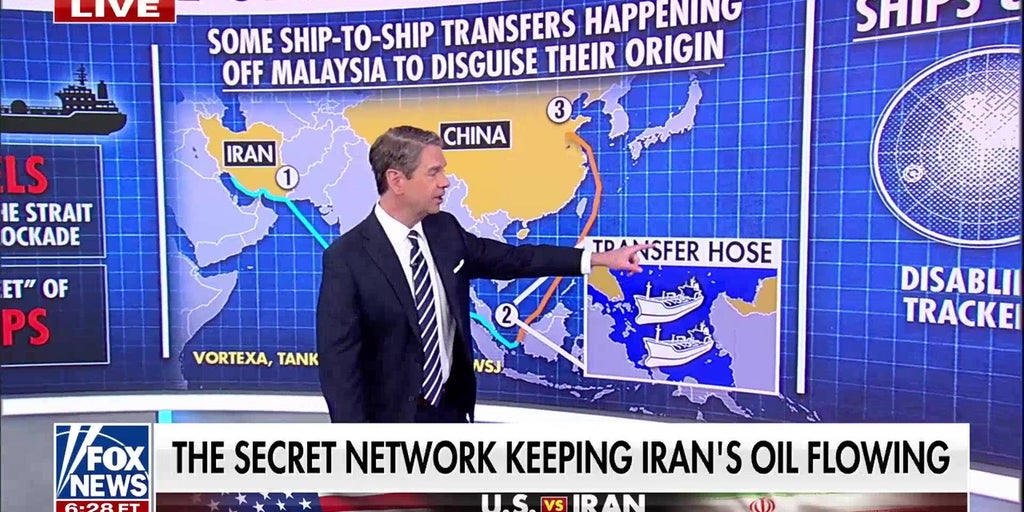
A recent report highlights Iran’s intricate network for smuggling oil, which is designed to evade U.S. sanctions while supplying crude to China. This operation involves a ‘dark fleet’ of around 1,500 vessels, employing various techniques to go undetected. As China emerges as a primary destination for Iran’s oil, the implications of this shadowy trade stretch beyond mere economics and into geopolitical territory.
Iran’s ‘Dark Fleet’ Explained
Reports indicate that Iran has developed a stealthy oil transport system involving numerous ships that deliberately avoid detection. Many of these vessels disable their GPS trackers or change their flags to appear as though they are registered in other countries. This illicit fleet is estimated to be over 1,500 strong, facilitating the movement of crude oil away from international scrutiny and into the hands of Chinese consumers, thereby circumventing U.S. sanctions.
The Role of China in Iran’s Oil Trade
China plays a distinctive role in this shadow oil network, importing approximately 90% of Iran’s exported crude. This reliance on Iranian oil serves several intents for Beijing, from securing energy needs to asserting influence in the region. The ongoing transactions not only undermine international sanctions against Iran but also contribute to a broader landscape of geopolitical tensions between the U.S. and China, complicating diplomatic relations.
Implications of the Shadow Oil Trade
The intricate web of Iran’s oil smuggling activities has far-reaching implications. By successfully avoiding sanctions, Iran is not just able to fund its operations but also bolster its regional influence. This clandestine maneuvering raises concerns about the effectiveness of international sanctions and the resilience of the government in Tehran. Moreover, the strengthening of ties between Iran and China through this trade could alter the balance of power in the region.
Challenges to Addressing the Issue
Tackling Iran’s shadow oil network poses significant challenges. Authorities must engage in more sophisticated monitoring and enforcement to detect these covert operations. International partnerships among countries and intelligence-sharing can enhance visibility and create a more robust response framework to counteract such illicit activities. As the geopolitical landscape evolves, the necessity for a unified strategy becomes paramount in addressing the complexities of the clandestine oil trade.
In summary, Iran’s shadow oil network reveals a critical intersection of economics and geopolitics. With China standing as a primary partner in this illicit trade, the implications for international relations, sanctions enforcement, and regional power dynamics are profound. As awareness of these operations grows, the international community faces an urgent need to adapt strategies to counteract the entrenched networks that facilitate such clandestine activities.