
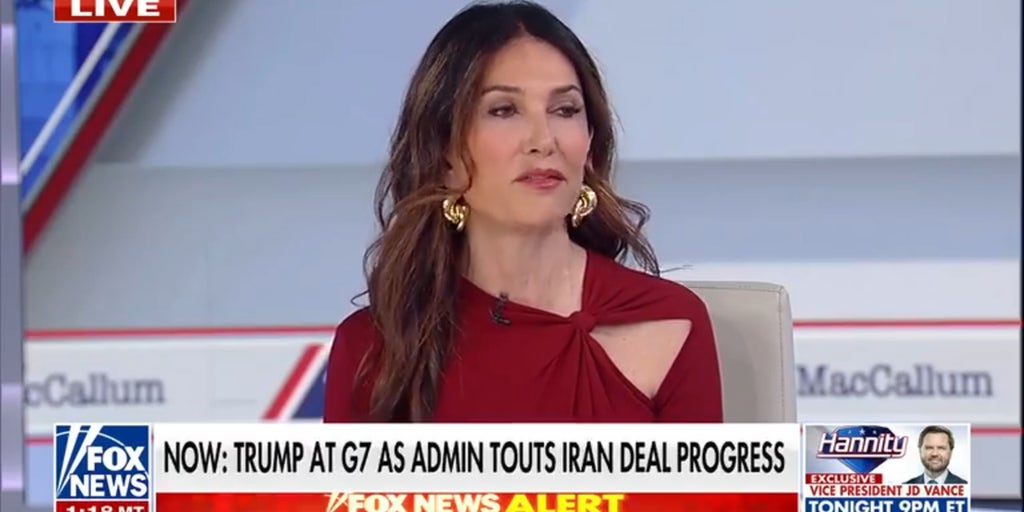
In a recent discussion on “The Story,” Dr. Nazee Moinian, an adjunct fellow at the Middle East Institute, examined the complexities surrounding a potential peace agreement between the U.S. and Iran. As international relations evolve, understanding the nuances of such agreements becomes essential for geopolitical stability.
The G7 Summit: A Turning Point for U.S.-Iran Relations
During the G7 Summit in France, President Donald Trump addressed the ongoing negotiations concerning the Iran nuclear deal. He revealed that the text of a Memorandum of Understanding (MOU) would soon be made available, signalling a new chapter in diplomatic efforts between the two nations. The announcement of the MOU came with hopeful expectations for progress, accentuated by the confirmation from White House officials that Vice President Pence would be present for the signing in Geneva. This highlights the U.S. administration’s commitment to engaging with Iran and potentially reshaping longstanding tensions.
Insights from Dr. Nazee Moinian
Dr. Moinian’s analysis of the nuclear deal emphasizes Iran’s history of undermining agreements when faced with economic pressures. This historical context is crucial as it sets the stage for understanding the challenges involved in negotiating a satisfactory peace agreement. The implications of Iran’s past actions raise important questions about its commitment to uphold any new terms. He further points out that this context requires careful examination and patience from U.S. legislators before finalizing an agreement.
Moreover, the need for a comprehensive congressional review is paramount. Such scrutiny not only ensures transparency but also solidifies the legitimacy of the agreement, fostering broader bipartisan support. As the potential for negotiation progresses, it is vital that lawmakers weigh the consequences of their decisions carefully, given the long-term impacts on both U.S. and Iranian relations.
The Role of Economic Sanctions
Economic sanctions have played a pivotal role in shaping Iran’s foreign policy and behavior. Over the years, these sanctions have compelled Iran to reconsider its strategic objectives. However, they have also led to increased internal pressures that could drive the country to act unpredictably in the international arena. Dr. Moinian’s insights underline the delicate balance that must be struck between imposing sanctions and promoting diplomatic engagement. Going forward, the U.S. must weigh the effectiveness of sanctions against the potential for productive dialogue and trust-building measures.
The Path Ahead: Challenges and Opportunities
Looking ahead, the potential peace agreement between the U.S. and Iran represents both significant challenges and opportunities. The balance of engaging in constructive dialogue while addressing historical grievances will be crucial. As both nations navigate this intricate landscape, the focus must remain on fostering a stable diplomatic relationship that prioritizes peace over conflict. It is a complicated path, but one that could potentially redefine the geopolitical dynamics of the region.
In summary, the discussion initiated at the G7 Summit marks a critical juncture in U.S.-Iran relations. With insights from experts like Dr. Moinian, it is clear that careful consideration and strategic planning are essential for any future agreements. As the world watches, the hope for a lasting peace hinges on collaborative efforts and an understanding of past mistakes, paving the way for a more secure and stable future.