
The complexities of U.S.-Iran relations have captured significant attention in recent years, especially regarding the Iranian regime’s policies and actions. Many experts and commentators believe that Americans are increasingly aware of the nuances and challenges presented by the Iranian government.
Understanding the Iranian Regime
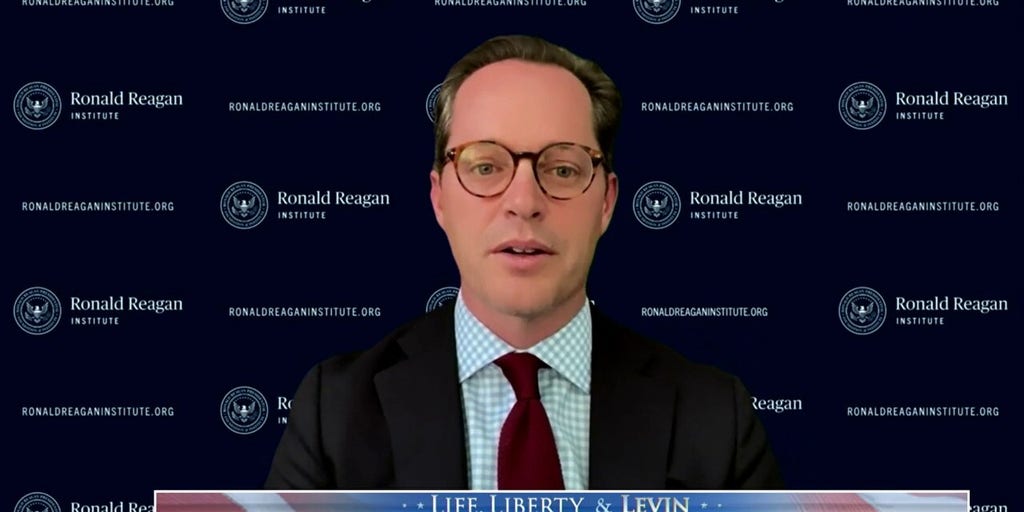
The Iranian regime has long been a topic of debate within political circles. Its actions have influenced not only regional stability in the Middle East but also global diplomatic relationships. Analysts like Roger Zakheim, co-founder of the Reagan National Defense Forum, emphasize the importance of public awareness regarding Iran’s activities. With ongoing discussions about nuclear ambitions, militant support, and human rights issues, citizens are encouraged to stay informed about the implications of Iran’s policies on international affairs.
The Role of Public Perception
Public perception plays a crucial role in shaping U.S. foreign policy. As Americans become more informed about Iran’s policies, their views may have a direct impact on governmental decisions. Zakheim suggests that this “clear-eyed” awareness can potentially influence the U.S. approach to diplomacy and defense strategies. When citizens understand the intricacies of foreign regimes, they can advocate for informed policies that prioritize security and stability.
Challenges Ahead in U.S.-Iran Relations
Navigating the complexities in relations with Iran poses significant challenges. The Iranian regime’s actions, ranging from regional aggression to nuclear development, create a multifaceted dilemma for U.S. policymakers. As the international community remains vigilant, it is essential for American citizens to engage in dialogue and seek a comprehensive understanding of the broader geopolitical context. This awareness not only highlights the stakes involved but also catalyzes discussions around potential policy initiatives that aim to bring about lasting peace and stability.
The Importance of Continued Dialogue
Engagement and dialogue remain vital for addressing the ongoing issues that arise in relation to Iran. Experts argue that fostering an open conversation about Iran’s policies and activities can lead to a deeper understanding of the implications these may have for both the U.S. and its allies. By remaining receptive to new information and perspectives, individuals can contribute to a more informed public opinion that could influence positive policy changes.
In conclusion, the evolving nature of U.S.-Iran relations symbolizes a broader challenge in international diplomacy. As Americans strive to be well-informed citizens, discussions led by experts like Roger Zakheim become essential for fostering a constructive dialogue. It is this collective awareness that may guide future decisions significantly impacting national security and international harmony.