
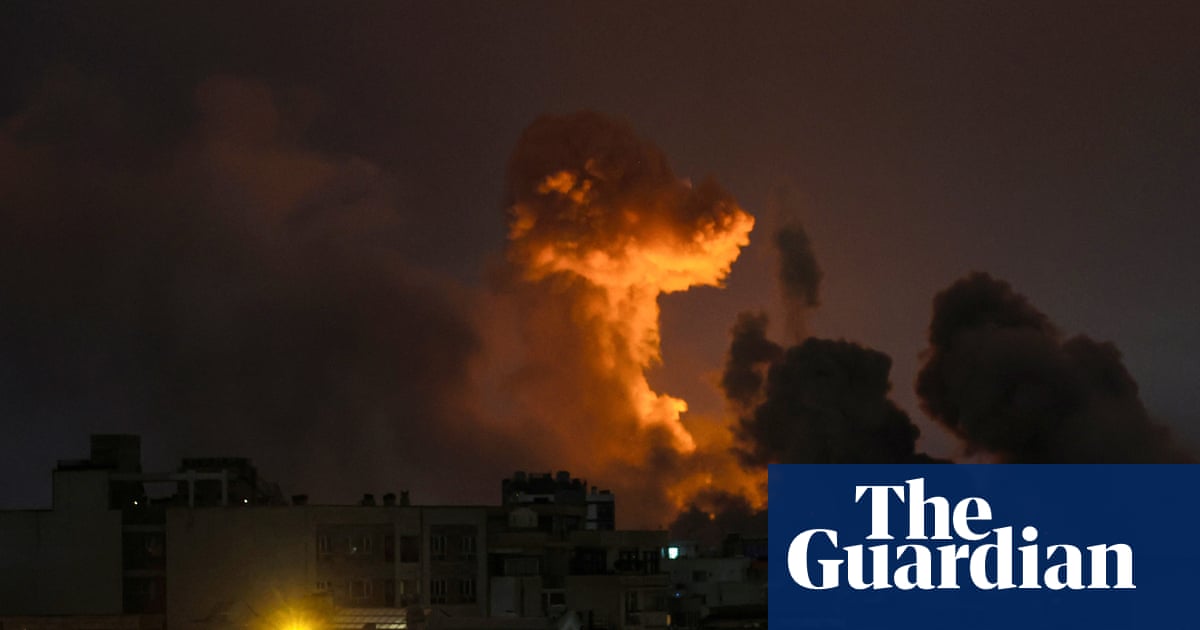
Military actions that compromised two water storage facilities in southern Iran on June 10 may raise serious legal questions, as military and legal experts assess the situation. These strikes occurred in Bemani, a remote area approximately 2 miles from the strategic Strait of Hormuz. As reports of the incident surface, the implications of deliberately targeting civilian infrastructure—such as water reservoirs—has become a critical legal issue under international law.
The Legal Implications of Targeting Civilian Infrastructure
The primary concern revolves around whether the water tanks in Bemani were intentionally struck or if they were collateral damage in a broader military operation. Brian Finucane, a former State Department attorney, emphasized the gravity of the situation, stating, “It’s either a military objective or it’s a civilian object: attacking one is lawful, attacking the other is a war crime.” The assertion that the U.S. military executed these strikes has yet to be independently verified, though Iran’s state media reported involvement from U.S. forces.
U.S. Central Command (Centcom) is currently investigating these claims, illustrating the complexities of military operations in areas with delicate civilian infrastructures. The water facilities are vital for approximately 20,000 residents, a fact that complicates the ethical considerations of engaging in military actions near such resources.
Escalating Tensions and Ceasefire Agreements
These strikes on Bemani might signal a shifting strategy aimed at compelling Iran to concede to U.S. demands. This escalation comes amidst a fragile ceasefire that has been in place since April. Former President Donald Trump has warned Iran about the consequences of inaction regarding negotiations, asserting that military strikes would continue unless an agreement is reached. The stakes are high, as conflicting reports suggest that talks between the U.S., Iran, and various Gulf nations may be faltering.
The destruction of the water tanks, especially during a severe drought conditions in Iran, could have dire consequences for local populations. Ali Vaez from the International Crisis Group commented on the critical nature of Iran’s water crisis, stating that additional disruptions could be catastrophic. Thus, if targeting civilian resources was indeed intentional, it raises ethical questions not only within the scope of military legality but also in humanitarian terms.
Impact on U.S. Domestic Politics
Moreover, this incident has prompted discussions within the U.S. Congress about the long-term implications of Trump’s military strategies in Iran. As lawmakers express concern, some argue that continued military operations targeting vital infrastructure could lead to a loss of bipartisan support for the conflict. Virginia Senator Tim Kaine remarked that the attack could severely affect public opinion and subsequently influence Republican support for ongoing military engagement.
Kaine plans to introduce a war powers resolution in response, aiming to hold the administration accountable for actions taken in Iran. Both Finucane and other experts agree that targeting water infrastructure may signify a troubling shift in U.S. military policy, one that could undermine the safely conducted operations that traditionally sought to avoid civilian harm.
In summary, the military engagement in Bemani raises crucial questions about the legality and ethics of targeting civilian infrastructure in a conflict zone. With potential ramifications not only for the residents impacted in Iran but also for U.S. policymakers, the situation remains highly charged and fraught with uncertainty. As investigations continue, the developments around these military operations may significantly shape both international relations and domestic political discourse moving forward.