
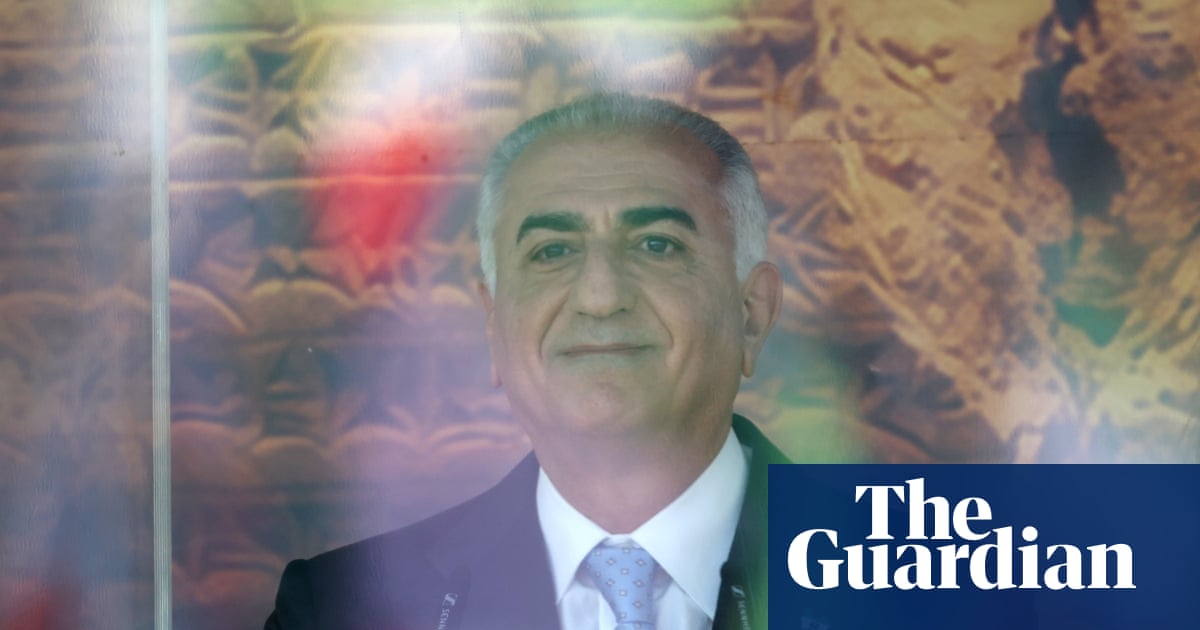
Reza Pahlavi, the son of Iran’s last monarch, has recently faced significant challenges as he attempts to reclaim a leadership role amid growing unrest in Iran. Once symbolizing a beloved royal legacy, the name Pahlavi has become intertwined with contentious discussions about the past, particularly revolving the notorious Savak, the secret police that operated under his father, Mohammad Reza Pahlavi. As the political landscape shifts, Pahlavi has found himself needing to navigate both his supporters’ desires for a nostalgic royal restoration and the shadows of authoritarianism that haunt that legacy.
Rising Political Tensions
The tension escalated as some of Pahlavi’s staunchest supporters began celebrating the Savak as a potential guiding force in their vision for a new Iran. This glorification of a repressive regime has caused Pahlavi to distance himself from these associations. He has asserted that he is “uniquely positioned” to lead Iran toward a democratic future, as the current Islamic government faces mounting instability. Protests in January had chanted his name, and he emerged from them with renewed ambitions to reshape Iran’s political narrative. However, the recent resurgence of Savak imagery among his supporters complicated this aspiration.
This complicity and nostalgia for the Savak evoke criticisms of an authoritarian approach within Pahlavi’s followers, raising fears about the ideals of democracy and human rights that he once championed. Despite him condemning these actions in a widely broadcast message, many critics argue that his denunciation falls short. Some former allies point out that the very tenets he stood for—such as support for human rights and opposition to torture—are at odds with the embrace of the Savak symbol among some factions of his supporters.
Impact on Public Perception
Pahlavi’s issues are not merely rhetorical but extend into how he is perceived by the public and international community. Revelations came to light that the U.S. and Israel considered former Iranian President Mahmoud Ahmadinejad as a potential leader if the current regime were to collapse. This situation put further pressure on Pahlavi’s credibility, leading many to question his relevance in a rapidly changing political climate.
Critics also highlight the direct implications of glorifying a figure like the Savak. Nik Kowsar, a journalist disillusioned with Pahlavi, emphasized that the memory of Savak is synonymous with intolerance and oppression. He noted that the historical baggage associated with Savak could undermine Pahlavi’s attempts to align himself with democratic ideals, calling into question the internal coherence of his movement.
Confrontations with the Media and Public
Pahlavi’s public demeanor has contributed to the growing divide between him and the media. Incidents of confrontational exchanges with journalists illustrate a level of hostility toward free press that many find concerning, especially considering his public declarations about advocating for democratic values. In a series of interviews, he has been accused of deflecting questions about violence or threats emerging from his support base, instead attributing them to external campaigns aimed at discrediting him.
Additionally, incidents of aggression from his supporters toward journalists have raised alarms about the growing culture of fear surrounding dissenting views within his circles. Observers are left to grapple with the duality of Pahlavi’s aspirations for political change while confronting a climate that appears increasingly hostile to open dialogue and criticism.
In summary, with a complex legacy weighing heavily on his shoulders, Reza Pahlavi navigates treacherous waters filled with nostalgia for a past marked by repression and calls for a future rooted in democracy. As both he and his supporters grapple with the implications of their public persona, the potential for a transformative political movement remains uncertain amidst the echoes of history.