
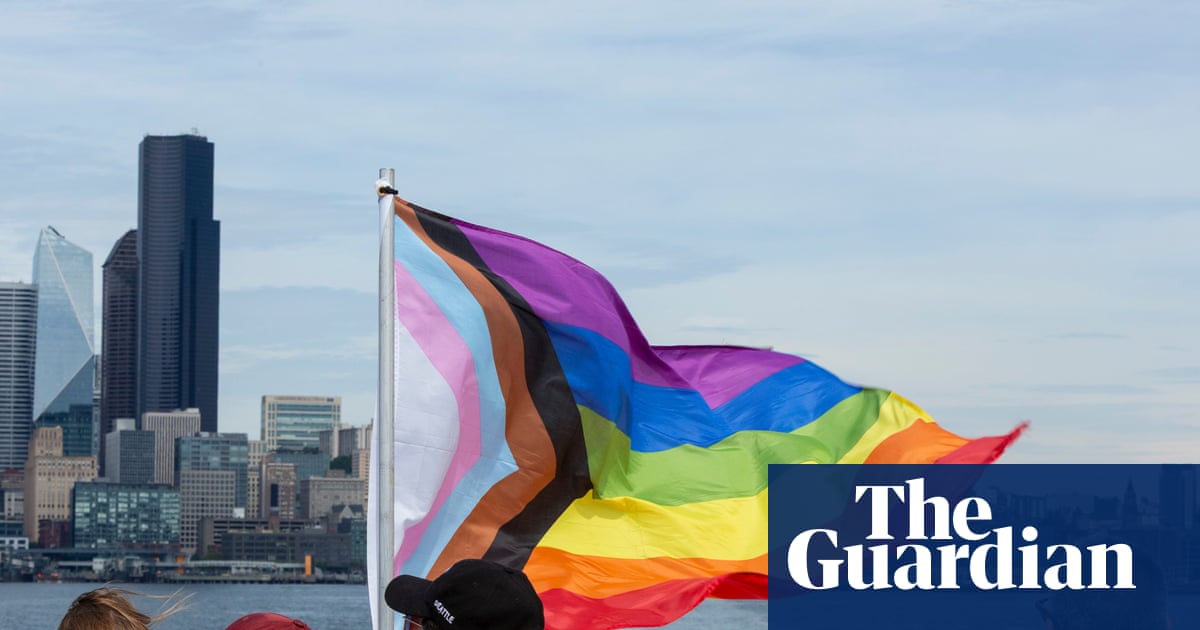
Iran and Egypt find themselves under the spotlight as they prepare for the upcoming match at the World Cup in Seattle. These nations have faced scrutiny regarding their refusal to participate in what has been dubbed the “Pride Match,” an event celebrating LGBTQ+ rights. FIFA, led by its president Gianni Infantino, has confirmed that rainbow flags will be permitted in the stadium, but insists that the celebrations organized by Seattle’s event planners are separate from the match itself.
Controversies surrounding LGBTQ+ representation
Both Iran and Egypt have formally voiced their disapproval of the LGBTQ+ festivities planned around the match and have requested that these activities be canceled. The cultural and legal contexts of both countries are starkly different from those of the LGBTQ+ community, with Iran criminalizing same-sex relationships and Egypt having a documented history of targeting queer and transgender individuals. In a recent press conference, the head of the Iranian football federation made it clear that discussions should center solely on football, rejecting questions related to LGBTQ+ issues.
Iran’s head coach, Amir Ghalenoei, emphasized the team’s commitment to focusing only on the upcoming match. He stated, “Our thoughts are centered on football, the beautiful game. We aim to bring joy to our people.” Ghalenoei stressed that their concentration will not waver by extraneous issues and that they will only engage in conversations relating to the game itself.
Focus on the sport
Egypt’s head coach, Hossam Hassan, mirrored these sentiments, proclaiming, “We are wholly focused on football,” and asserting that their responsibility is to adhere to the rules of fair play established by FIFA. Both coaches have positioned their teams’ focus solely on the sport, highlighting their commitment to the game as the primary objective.
Interestingly, despite their intention to concentrate on football, Ghalenoei previously remarked on Iran feeling like the “most oppressed” team in the tournament. He criticized the restrictions imposed by the U.S. administration, which they claim limits their rights, including their arrival and departure timings in host cities. Ghalenoei suggested that FIFA, and Infantino in particular, may not have fully understood the challenges of their situation.
A FIFA perspective on the celebrations
Infantino took steps to clarify FIFA’s position, stating that there would not be a designated “Pride Match” at the event. “There will be a FIFA World Cup game in Seattle, along with external events happening on the same day. However, those activities are unrelated to the match,” he explained. A FIFA spokesperson further emphasized that flag displays representing different sexual orientations could be featured within the stadium, as long as these demonstrations align with FIFA’s code of conduct.
As the date of the match draws closer, the intersection of sports, culture, and human rights continues to be a point of contention. While Iran and Egypt stress their focus on football, the complexities surrounding the event highlight the ongoing struggle for LGBTQ+ representation and acceptance, even in the realm of international sports. The world will be watching as these nations navigate the intricacies of sport and societal values amidst a celebration of diversity.