
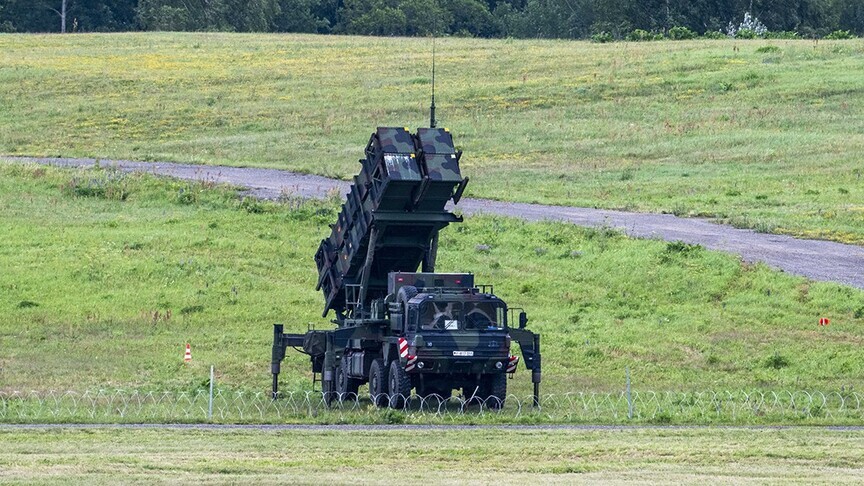
In light of the recent geopolitical tensions, concerns have been raised about the state of the U.S. military’s missile defense capabilities. General Randy George, the former Chief of Staff of the U.S. Army, issued warnings prior to the onset of the U.S.-Israeli conflict with Iran, indicating that the stockpiles of missile defense systems were alarmingly inadequate and recovery could take until 2030.
Concerns Over Missile Defense Readiness
General George highlighted critical shortages in essential missile defense systems, specifically the Terminal High Altitude Area Defense (THAAD) interceptors and Patriot missiles, during his assessments in late December. These concerns were communicated to U.S. officials, marking a significant point of focus just two months ahead of the escalating conflict. Reports indicate that Defense Secretary Pete Hegseth dismissed General George from his position in April while the war unfolded, raising questions about the implications of his warnings.
According to officials privy to the matter, the deficiencies in missile defense supplies stemmed from multiple factors, including extensive military support to Ukraine, aid to Israel, and limitations within the domestic defense production industry. The ongoing conflict with Iran has exacerbated these issues. An analysis by the Center for Strategic and International Studies (CSIS) revealed that U.S. forces began the year with approximately 2,300 Patriot interceptors, having expended between 1,050 and 1,430 of those in the ongoing military engagements.
Inventory Depletion and Future Implications
Prior to the war, the U.S. military’s THAAD inventory comprised roughly 355 interceptors, with reports estimating that between 190 and 290 units have been used thus far. Mark Cancian, a retired Marine colonel, emphasized the strategic importance of these systems, particularly in the context of a potential confrontation with China. He noted that effective air defense and missile defense would be crucial in any such future conflict, which would likely demand a robust supply of interceptors.
The CSIS has indicated that replenishing these stockpiles is not a simple or swift process. For instance, contracts for new THAAD interceptors may take over four years to fulfill, while orders for the Patriot PAC-3 systems generally require an average of 3.5 years. This lag in production and replenishment raises concerns regarding the U.S. military’s preparedness for unforeseen hostilities.
Government Response to Criticisms
In response to claims about the military’s inadequacy in munitions, the Pentagon has firmly rejected such assertions. Chief spokesman Sean Parnell stated that allegations of shortages in U.S. munitions are unfounded. He reassured that the U.S. retains all necessary resources to engage in combat at the discretion of the President.
However, the series of warnings from military officials and the ongoing pressures arising from multiple international conflicts suggest that the issue of military preparedness, particularly regarding missile defense, is a topic that warrants significant attention. As geopolitical dynamics continue to shift, the ability of the U.S. to maintain a robust and ready defense posture will be paramount in ensuring national and allied security.