
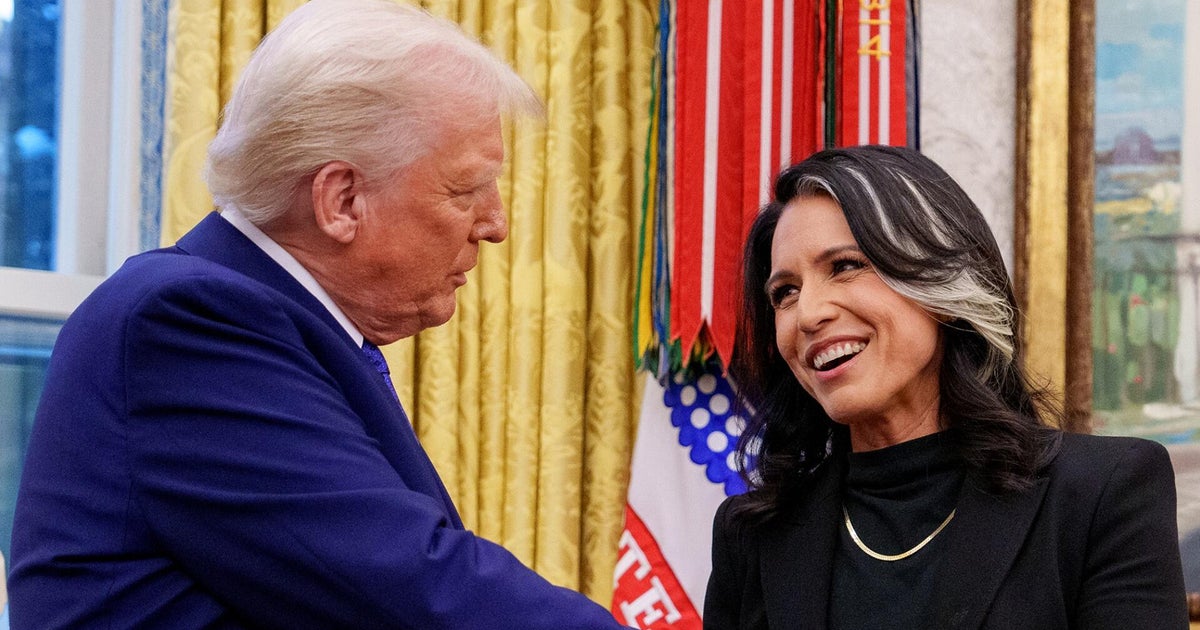
Tulsi Gabbard’s recent resignation from her role as director of national intelligence has garnered significant attention, particularly as she cites her husband’s cancer diagnosis as the primary reason. This decision comes at a pivotal moment when tensions rise concerning U.S. relations with Iran, leading many to speculate about President Trump’s potential strategies.
Tulsi Gabbard’s Resignation Explained
On Friday, Gabbard stepped down from her position, which has sparked conversations around her future in politics and the implications of her decision amidst ongoing geopolitical tensions. Her focus on family during a challenging time underscores the personal sacrifices many in public service often face. As she navigates her role as a caregiver, her resignation raises questions about the impact of personal circumstances on political responsibilities.
Gabbard’s departure is particularly noteworthy considering the broader context of U.S. foreign policy. Reports indicate that the Trump administration may be contemplating a resurgence of aggressive strategies toward Iran, a nation with which the U.S. has had a strained relationship for decades. Observers are noting the timing of Gabbard’s exit as potentially connected to these emerging policies, suggesting that shifts in leadership within key intelligence roles may influence or reflect the administration’s approach going forward.
The Significance of Intelligence Leadership
The role of the director of national intelligence is paramount in shaping U.S. foreign policy. With Gabbard’s resignation, there is speculation regarding who will fill this crucial position and how this change might affect ongoing and future intelligence operations related to Iran. The nature of intelligence gathering and analysis can significantly influence decision-making processes at the highest levels of government, particularly when it comes to international relations.
Moreover, Gabbard’s departure occurs amidst a backdrop of increasing scrutiny regarding the administration’s foreign policy methods and strategies. If Trump seeks to escalate tensions with Iran, the insights and intelligence provided by this role will be critical in guiding those ramifications. The intersection of personal and professional realms can profoundly affect how policy is crafted and executed.
Looking Ahead: The Future of U.S.-Iran Relations
As the dynamics evolve following Gabbard’s resignation, all eyes will be on the administration’s next moves concerning Iran. Will the U.S. opt for a more aggressive stance, or will diplomatic efforts resurface to mitigate ongoing tensions? Gabbard’s exit, following her unique perspective on military engagement and foreign relations during her political career, may vacate the space for voices advocating for restraint and dialogue.
The implications of Gabbard’s resignation extend beyond personal concerns; they touch on the vital relationship between intelligence leadership and the broader national security strategy. The combination of domestic challenges and foreign policy complexities creates a unique landscape for the U.S. as it navigates its role on the global stage. How the administration responds in light of these events will shape the future trajectory of U.S.-Iran relations, impacting not only political landscapes but also the lives of many directly affected by these policies.