
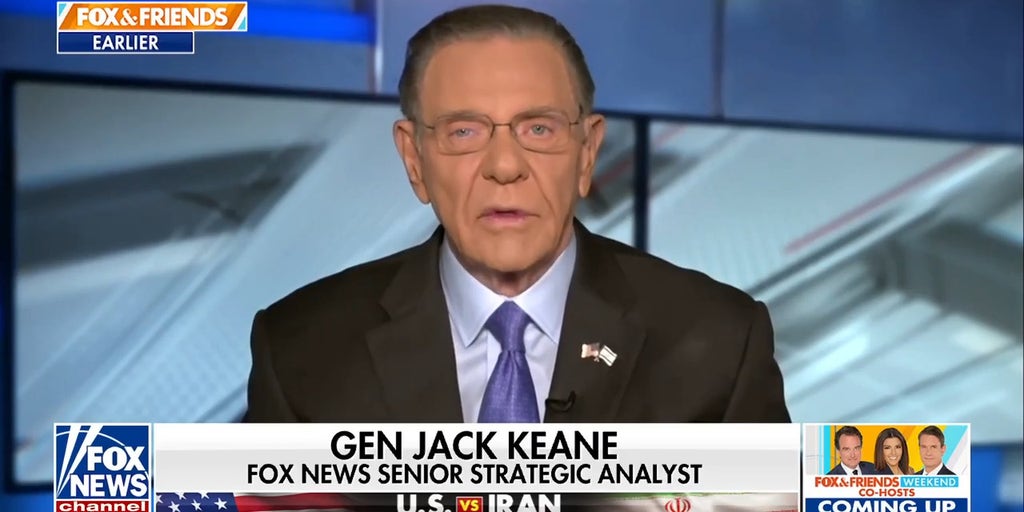
General Jack Keane, a senior strategic analyst at Fox News, has voiced skepticism about the possibility of securing a nuclear deal with Iran. He emphasizes the urgency for decisive military action to neutralize Iran’s military capabilities, asserting that retaliation from Iran is inevitable, regardless of the extent of U.S. military involvement.
Challenges in Negotiating a Nuclear Deal
Keane argues that Iran’s long-standing approach has been to stretch negotiations, particularly as a strategy to gain leverage leading up to critical political events, such as midterm elections in the United States. This tactic prolongs discussions without yielding substantive results, allowing Iran to further develop its nuclear capabilities while the world remains distracted. Keane believes that this behavior reflects a fundamental lack of trust, indicating that Iran is unlikely to adhere to any agreements made.
Furthermore, he points out that any agreements reached may be superficial at best. Past experiences have shown that Iran has often violated its commitments, making the prospect of a lasting nuclear deal seem even more remote. The general underscores the importance of recognizing these patterns of behavior, arguing that they should serve as red flags for policymakers seeking to negotiate with the Iranian regime.
The Need for Military Action
Given the challenges of diplomacy, Keane advocates for a strong military response to dismantle Iran’s capacities rather than relying solely on negotiations. He believes that a proactive strategy is necessary to prevent further advancements in Iran’s nuclear program. By taking decisive military action, the U.S. can not only target Iran’s capabilities but also send a clear message regarding the consequences of non-compliance with international standards.
The notion of a robust military strategy is predicated on the understanding that waiting for Iran to act or respond to diplomatic pressure may only embolden the regime. Keane asserts that the risk of inaction could lead to a more dangerous situation, as Iran could use the time to fortify its nuclear ambitions further. Therefore, he believes that acting sooner rather than later could significantly alter the trajectory of Iran’s military development.
Anticipating Iranian Retaliation
Keane emphasizes that any form of military intervention will likely result in Iranian retaliation. This could take various forms, including asymmetric warfare tactics as seen in the past, where Iran has utilized proxies in the region. As such, he stresses that U.S. policymakers must prepare for the potential repercussions of military action, recognizing that Iran’s response will be diverse and unpredictable.
Ultimately, the general contends that a comprehensive strategy that combines military readiness with a clear understanding of Iran’s historical behaviors and intentions is crucial. With the stakes higher than ever, he argues that a failure to act decisively could embolden Iran, posing risks not only to U.S. interests but to global security as well. Keane’s perspective serves as a call to action for a reevaluation of strategies related to Iran, shifting focus from diplomatic hopefuls to a fortified military posture.