
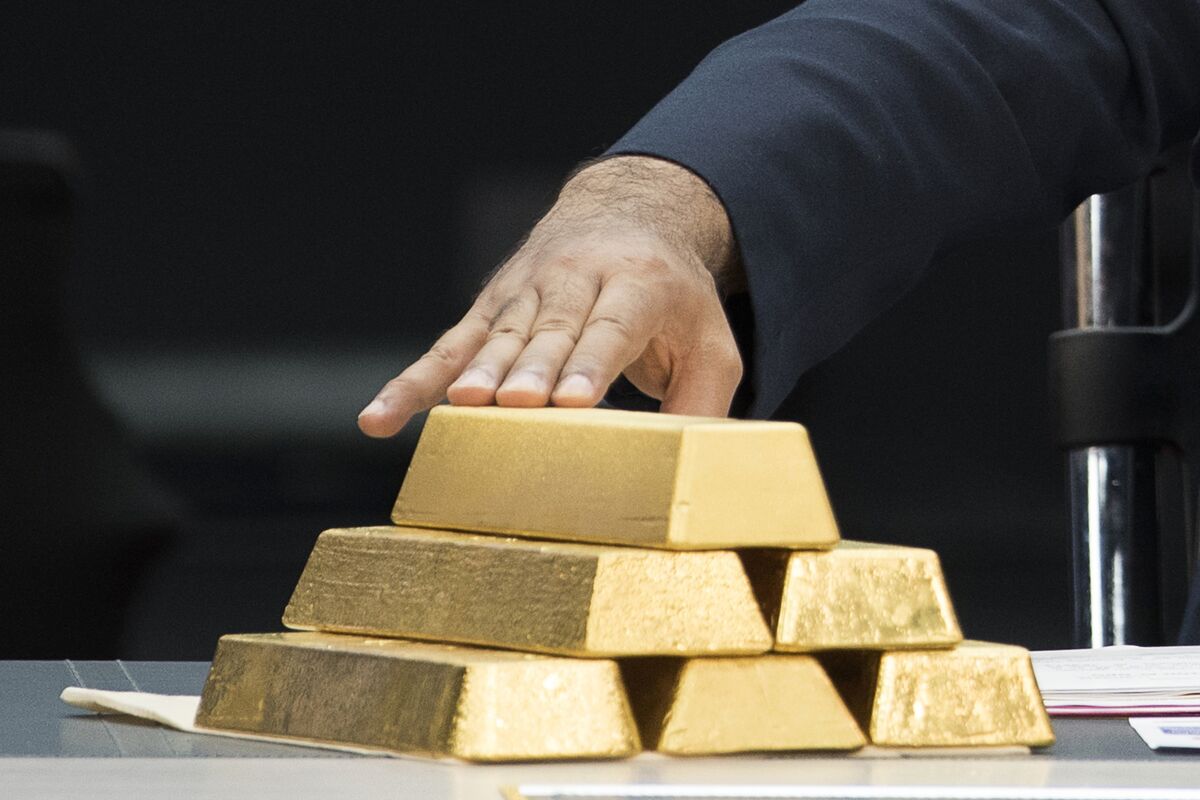
Gold prices surged significantly, marking the largest increase since March. This uptick in value came in response to President Donald Trump’s statement indicating that the United States might reach an agreement with Iran over the weekend. Such a resolution to the ongoing conflict has the potential to stabilize global markets and alleviate inflationary pressures.
The Impact of Geopolitical Tensions on Gold Prices
Gold has long been viewed as a safe-haven asset during periods of uncertainty. Geopolitical tensions, such as those involving the U.S. and Iran, create an environment where investors flock to gold, pushing its prices higher. The possibility of a deal to end the ongoing war has brought about optimism, yet many remain cautious about the long-term implications. Historically, any resolution in global conflicts tends to influence commodity prices, especially precious metals like gold.
Understanding Gold as a Safe-Haven Asset
When market volatility escalates due to geopolitical tensions, gold often sees heightened demand as a protective measure. Investors appreciate gold’s reliability as a hedge against inflation and currency fluctuations, making it an essential component of a well-diversified portfolio. In times of crisis, the value of gold typically rises, as was evident following Trump’s remarks on a potential agreement with Iran.
The Role of Economic Conditions on Gold Valuation
Economic conditions significantly shape gold prices. In times of economic uncertainty or inflation, gold usually benefits from increased demand. Trump’s suggestion for a diplomatic solution has sparked discussions on the economic stability that could follow, prompting some investors to buy gold in anticipation of changes in market conditions. A resolution could stabilize markets, which in turn could affect the value of gold, either by reducing demand or reshaping its role as a hedge.
Looking Ahead: Market Predictions for Gold
As investors monitor the unfolding diplomatic discussions between the U.S. and Iran, predictions for gold prices remain mixed. While some analysts expect a decline in gold prices if a deal is successfully reached, others argue that the underlying factors driving demand for gold—such as inflation and global economic concerns—are still present. Ultimately, the market will respond to both the outcome of the negotiations and ongoing economic conditions.
In conclusion, the recent surge in gold indicates the ongoing relationship between geopolitical events and market behavior. As discussions about the U.S.-Iran deal continue, gold will likely remain at the forefront of investor interest, representing both potential risks and rewards in the current economic climate. Understanding these dynamics can provide valuable insights for anyone engaged in or considering investments in precious metals.