
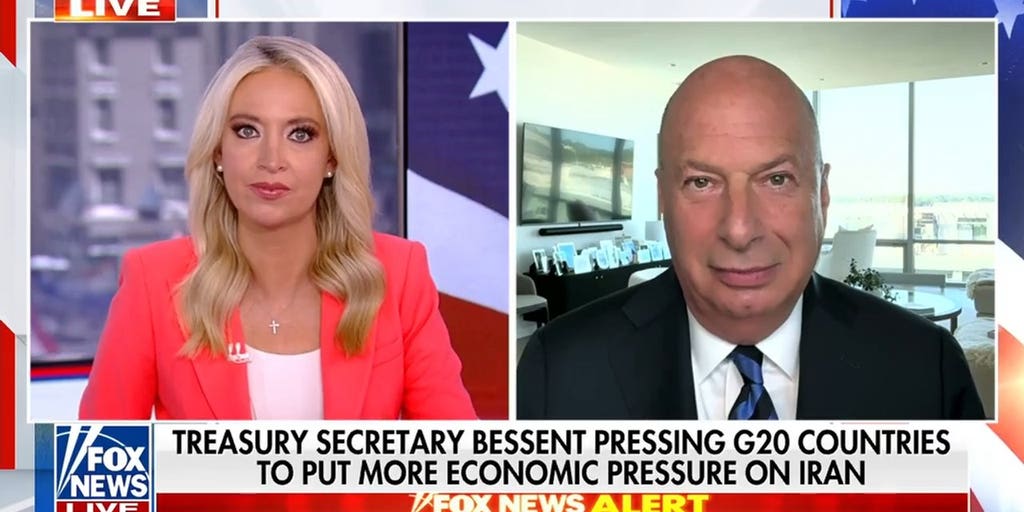
Former U.S. ambassador to the European Union, Gordon Sondland, sheds light on the ongoing discussions surrounding economic sanctions against Iran. Recently, Treasury Secretary Scott Bessent has been urging G20 nations to implement stricter financial measures against the Iranian regime. As tensions rise, Sondland emphasizes the critical juncture where European countries must decide whether to align with U.S. interests or continue their business relations with Iran.
The Push for New Sanctions
As the global landscape shifts, the U.S. is intensifying its campaign against Iran through a policy dubbed ‘Economic D-Day’. Treasury Secretary Bessent has been actively engaging with G20 nations, pushing for a united front to cut off financial support to Iran. The emphasis is on creating a more cohesive approach among leading economies to ensure that Iran feels the economic ramifications of its actions. By imposing stringent sanctions, the U.S. aims to weaken Iran’s influence and reduce its capacity to engage in activities that threaten international stability.
Europe Faces a Pivotal Decision
In light of these developments, European nations are confronted with a challenging decision: prioritize their trade relations with Iran or support the U.S. initiative for increased sanctions. This dilemma is not just an economic one; it has profound geopolitical implications. By aligning with the U.S., European countries have an opportunity to strengthen their position on the global stage, reinforcing democratic values and international law. Conversely, continuing to engage with Iran could undermine these principles and embolden a regime that has been a source of regional instability.
Implications for Global Relations
The repercussions of this situation extend beyond the borders of Iran and Europe. A unified response from G20 nations could set a precedent for how the international community handles aggressive state behavior. Economic sanctions have historically proven effective in altering a nation’s actions, yet their success relies on the commitment and cooperation of multiple countries. Sondland’s insights shed light on the intricate dance of diplomacy at play, with the stakes high for all involved.
The Future of Economic Pressures
As global relations continue to evolve, the future of economic sanctions against Iran and their effectiveness will largely depend on the collaboration among the world’s major economies. The growing call for solidarity against such regimes underscores a collective commitment to fostering stability and peace. Sondland’s discussions reflect an urgent need for unity among G20 nations as they navigate this complex landscape. The choices made now will have lasting implications for international diplomacy, trade, and security.
In summary, as the U.S. pushes for robust economic measures against Iran, European nations stand at a crossroads, facing crucial decisions that could define their diplomatic ties and influence in global politics for years to come. The effectiveness of these sanctions rests on collective action, making the recent dialogues among G20 countries all the more critical.