
The ongoing U.S. conflict with Iran is far from resolution, six months into what many expected to be a brief engagement. Initially, President Donald Trump estimated that the war would last “four to five weeks,” extending the timeline as the months passed. As of late March, he hinted that victory was just around the corner, saying it might take “maybe two weeks, maybe a couple of days longer.” However, the reality on the ground tells a different story, with the conflict continuing to unfold and no end in sight.
The Stalemate in the Conflict
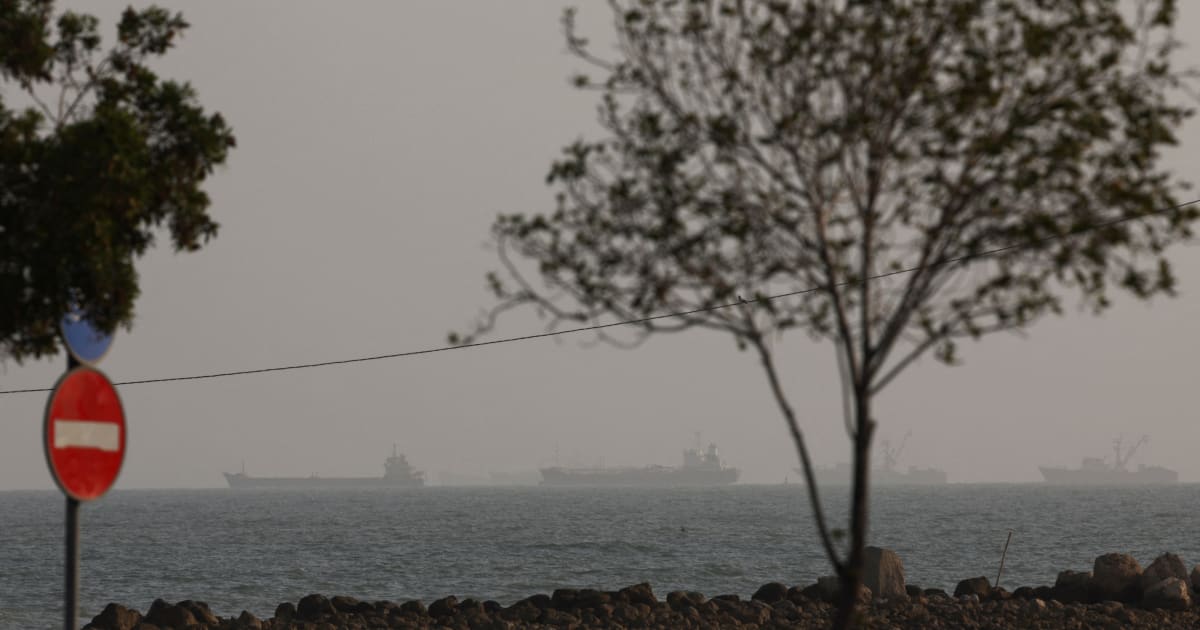
Despite heavy U.S. and Israeli airstrikes, the Iranian regime remains intact. Significant figures in the Iranian leadership have been eliminated, and military installations have suffered extensive damage, yet Iran has not capitulated. An interrupted ceasefire, initially agreed upon in April and later extended, has allowed some semblance of calm, but oil transportation through the Strait of Hormuz remains alarmingly low. President Trump’s bellicose rhetoric, including threats of increased military action, has been tempered by the recognition that the U.S. lacks the necessary defensive capabilities to protect its allies and military assets in the region.
With military options becoming increasingly limited, Trump has shifted to an economic strategy to pressure the Iranian government into submission. Recently, he announced plans for an “Economic D-Day,” aiming for historic sanctions that could possibly cripple the Iranian economy. However, the implications of such a move are daunting, as experts warn that secondary sanctions might destabilize the global financial system.
Operation Economic Outcast
Treasury Secretary Scott Bessent introduced “Operation Economic Outcast,” which focuses on threatening nations that refuse to support sanctions against Iran. This approach seeks voluntary compliance rather than direct punitive measures, but the chances for success appear slim. Nations like China, which import over 80% of Iranian oil, have already reacted to U.S. pressure by threatening to cut off essential resources. With Chinese President Xi Jinping expected to visit the U.S., the potential for a diplomatic standoff looms.
Experts believe the U.S. administration’s threats to force Iran into complete isolation may ultimately fall flat due to the repercussions involved. The elevated oil prices and visible strain on U.S. influence prompt crucial questions about the feasibility of continuing to allow Iranian aggression against its neighbors, particularly as they disrupt critical trade routes.
The Regional Impact and U.S. Allies’ Response
As U.S. ambitions stall, regional allies are recalibrating their defense strategies in response to perceived diminishing American interest in security matters. Recently, Saudi Arabia solidified its defense ties with Pakistan and Turkey through a new agreement, although the details are unclear. The lack of robust military support during conflicts suggests uncertainty about mutual defense commitments. Furthermore, the United Arab Emirates appears to be prioritizing its diplomatic ties in ways that diverge from Saudi strategies, illustrating the rifts that may complicate future U.S. diplomatic efforts.
The anticipated decline of the U.S. military presence in the Middle East raises alarm amongst policymakers. While some suggest that a phased withdrawal is necessary, the risks include unforeseen consequences that may still jeopardize U.S. interests in the region. As regional powers seek to redefine their priorities, the potential for conflict persists, suggesting that a reduced American role could lead to increased volatility rather than peace.
In conclusion, the unfolding events in the Persian Gulf underscore the precarious balance of power and the intricate web of regional alliances. Continuous assessments and adaptability will be essential for U.S. policymakers moving forward.