
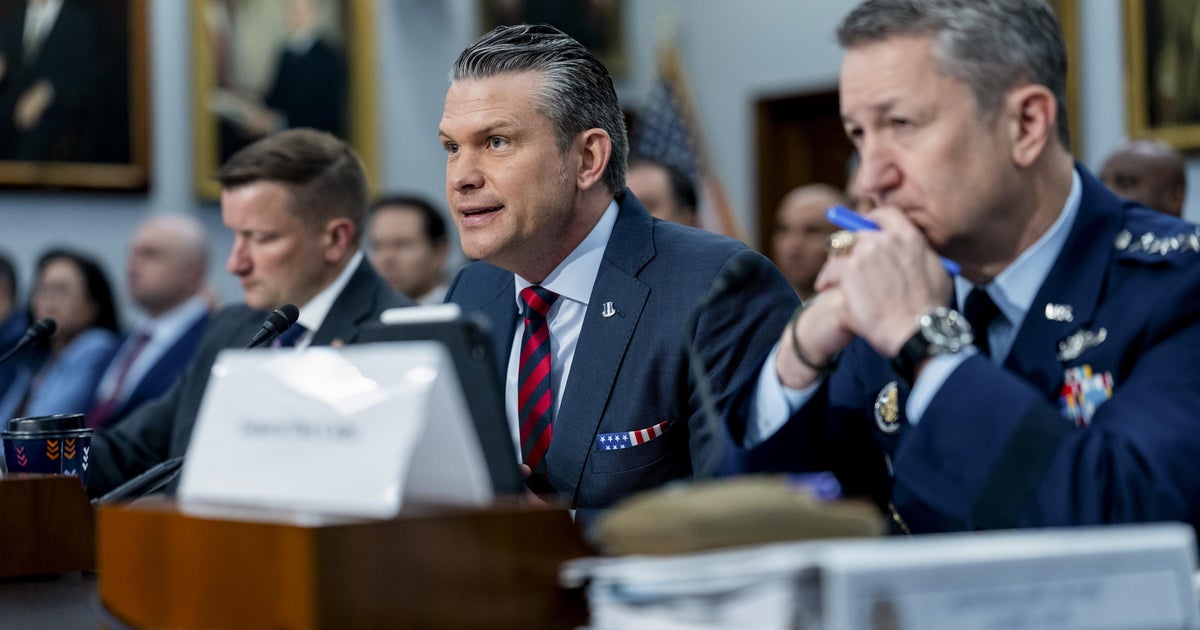
Defense Secretary Pete Hegseth and General Dan Caine, the chairman of the Joint Chiefs of Staff, are scheduled to appear before a Senate committee on Tuesday to discuss recent developments in the war with Iran. This hearing comes amidst escalating tensions, particularly following the tragic deaths of U.S. service members due to Iranian attacks.
Recent Military Casualties and Ongoing Conflict
The recent uptick in military casualties underscores the gravity of the situation; two American soldiers lost their lives in an Iranian strike on Friday, while another service member died during a controlled explosion intended to neutralize an Iranian drone in Iraq. These fatalities mark the total number of service members killed since the conflict began in February at 17. Additionally, reports indicate that nearly 100 American troops sustained injuries during multiple Iranian attacks on U.S. bases throughout the Middle East in recent weeks. In response to the escalating threats, the U.S. conducted its tenth night of airstrikes directed at Iranian military installations following the collapse of a tenuous ceasefire.
Funding Requests and Congressional Oversight
During this upcoming hearing, Hegseth and Caine will defend the Trump administration’s supplemental funding request of $67 billion aimed at supporting military operations in the region. This follows last month’s broader request for a total of $88 billion, primarily intended to cover the war’s expenses, which includes allocations for munitions, operational costs, and classified programs. The hearing is significant not only for its focus on military funding but also because Agriculture Secretary Brooke Rollins is expected to address related requests for disaster relief for agricultural producers impacted by recent crises.
In earlier appearances before House and Senate Appropriations subcommittees, the Pentagon put forth a budget proposal seeking $1.5 trillion for the fiscal year 2027. Testimonies in April indicated that the ongoing conflict has already cost the U.S. approximately $25 billion. Given this financial backdrop, it is anticipated that committee members will pose pointed questions regarding the current funding request, with Senate Democrats likely challenging the justification for significant financial commitments amid rising domestic concerns.
Political Dynamics and Reactions
Senator Patty Murray, ranking Democrat on the committee, is poised to raise concerns during her opening remarks, stating that many Americans desire an expedited end to the conflict rather than prolonged military engagements financed by taxpayer dollars. Her remarks are likely to resonate with constituents advocating for strategic withdrawal over continued financial investment in ongoing military operations.
However, reactions are expected to be mixed. On the Republican side, Senators Susan Collins and Lisa Murkowski have demonstrated a willingness to engage with cross-party initiatives aimed at moderating the Trump administration’s military authority concerning Iran. With House Republicans navigating the budget reconciliation avenue to secure additional funding, skepticism exists among key GOP senators regarding the viability of pursuing a third reconciliation bill in the Senate. Majority Leader John Thune has expressed that the dynamics of reconciliation differ significantly between the chambers, potentially complicating efforts and requiring broader consultation among colleagues.
In this contentious political atmosphere, with competing interests and varying perspectives on military engagement, Hegseth and Caine’s testimonies will play a crucial role in shaping future fiscal policies related to the ongoing conflict with Iran.