
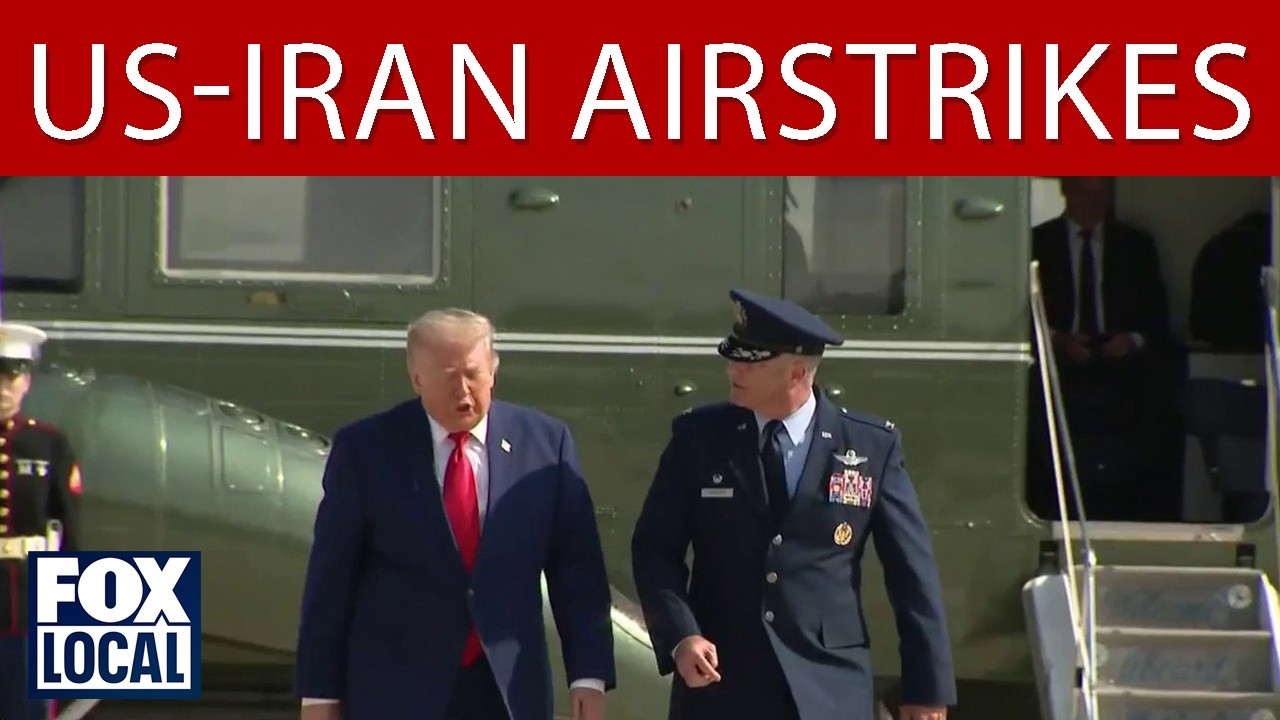
The recent military actions against Iran have escalated tensions, marking a significant chapter in U.S. foreign policy. With airstrikes taking place over 13 consecutive nights, the situation has stirred up debates back in Washington regarding the use of presidential war powers. As both parties grapple with differing views, the implications of these actions are multi-faceted and extend far beyond the battlefield.
The Ongoing Airstrikes Against Iran
For over a week, the U.S. has been engaged in relentless airstrikes targeting specific locations in Iran. These operations are aimed at disrupting Iranian military capabilities and deterring further aggression. The strategic necessity of such actions is often debated, but what remains unchallenged is the impact on U.S. military readiness and regional stability. American forces are operating under heightened alert, signaling a tense atmosphere in the Middle East.
Political Debate in Washington
In the backdrop of military actions, a fierce political debate is underway in Washington. The Republican majority has successfully blocked several measures proposed by Democrats that would seek to constrain the president’s war powers. This ongoing struggle highlights a significant rift in how each party views military engagement and the authority surrounding it. While Republicans tend to back broader presidential leeway in military operations, Democrats are advocating for increased oversight and accountability. This discord extends beyond party lines and raises fundamental questions about the checks and balances outlined in the Constitution.
The Future of U.S.-Iran Relations
As airstrikes continue and political discussions unfold, the future of U.S.-Iran relations remains uncertain. Long-standing animosities have deepened as military actions fuel resentment, potentially leading to retaliation by Iranian forces. The implications for regional allies are also concerning, as they fear being caught in the crossfire. Experts warn that sustained military interventions could provoke further instability, undermining diplomatic efforts that have been years in the making.
The Broader Implications of Military Action
Military action in Iran not only impacts immediate military and political landscapes but also has far-reaching implications for international relations. The involvement of key stakeholders, including European nations and Russia, complicates an already intricate situation. Each reaction from international players could either quell or exacerbate ongoing tensions, potentially altering the course of U.S. foreign policy. As the scenario develops, the eyes of the world remain fixed on Washington, waiting to see how the administration will navigate this complicated theater.
In conclusion, the recent airstrikes against Iran have ignited a complex interplay of military and political challenges that continue to evolve. As discussions in Washington unfold, the future of U.S.-Iran relations, along with the ramifications for global diplomacy, remains a pivotal issue. The balance of power, both domestically and internationally, is increasingly precarious, making this a significant moment in contemporary geopolitical discourse.