
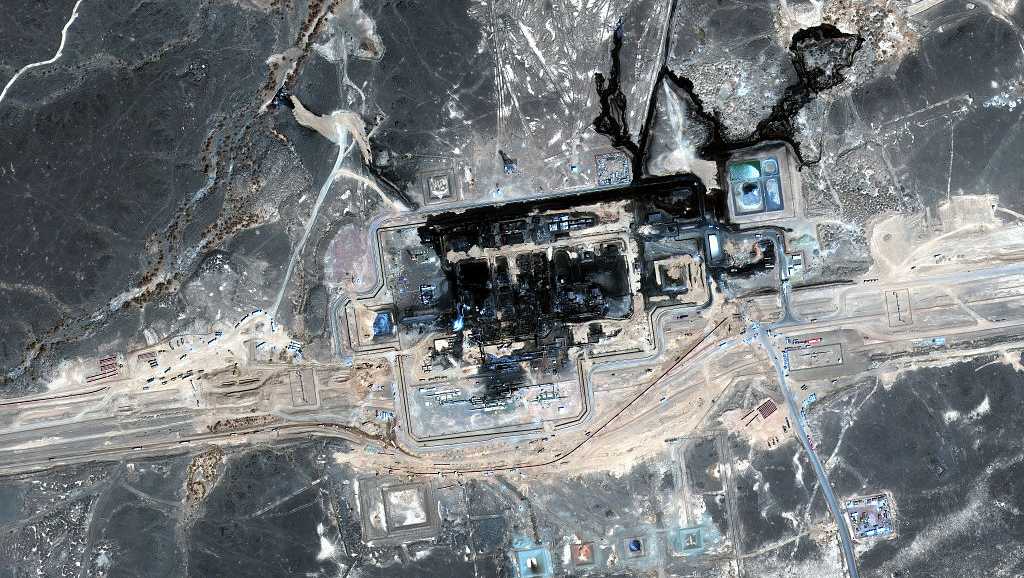
In recent developments, the closure of Saudi Arabia’s East-West pipeline is raising significant concern among market analysts regarding its impact on oil prices. This disruption is expected to tighten the supply chain, potentially leading to further increases in the cost of crude oil globally.
The East-West Pipeline: A Critical Supply Route
Saudi Arabia’s East-West pipeline is a vital infrastructure connecting the country’s eastern oil fields to its western ports. This pipeline is crucial for transporting crude oil to international markets, facilitating efficient exportation. The recent closure has resulted in an immediate slowdown in oil flow, creating apprehension among traders and economists alike, who worry about the implications for global oil supply.
With the East-West pipeline down, many analysts predict a notable decrease in available oil, especially as demand continues to rise worldwide. This situation could lead to a significant shift in pricing dynamics in the oil market. Historically, any disruption in supply has prompted a direct escalation in oil prices, and this scenario is likely to follow suit.
Global Market Reactions to Supply Disruptions
Market analysts are already observing considerable reactions from investors and traders in response to the news of the pipeline shutdown. Prices at the pump and for futures contracts are showing signs of volatility, indicating that stakeholders are bracing for potential price hikes. As fears of dwindling supply permeate the market, consumers may find themselves facing higher costs for gasoline and other oil-dependent products.
In light of this situation, it’s essential for stakeholders to stay informed. The ripple effects of oil supply shortages can extend well beyond energy markets, impacting various sectors, including transportation, manufacturing, and even food supply chains. Calculating the long-term implications of such disruptions informs better decision-making for businesses and consumers alike.
Future Outlook and Strategic Implications
As the global economy continues to grapple with various uncertainties, the closure of the East-West pipeline represents a crucial inflection point. With existing geopolitical tensions and the fluctuating demand for oil, the future of pricing will likely depend on several factors, including the speed at which Saudi Arabia can restore operations and how market dynamics shift in response to these changes.
Strategic planning will be critical for industries affected by rising oil prices. Companies may need to consider alternative sources of energy or logistics adjustments to mitigate the economic impacts of higher costs. With the ability to quickly adapt becoming increasingly important, staying ahead of the curve will be essential for maintaining competitive advantage in a volatile market.
In summary, the closure of Saudi Arabia’s East-West pipeline signals potential disruptions that could lead to further increases in oil prices. Investors and consumers must closely monitor the situation as the global market reacts to this critical supply chain disruption. Preparedness and adaptability will be key in navigating the uncertainties that lie ahead.