
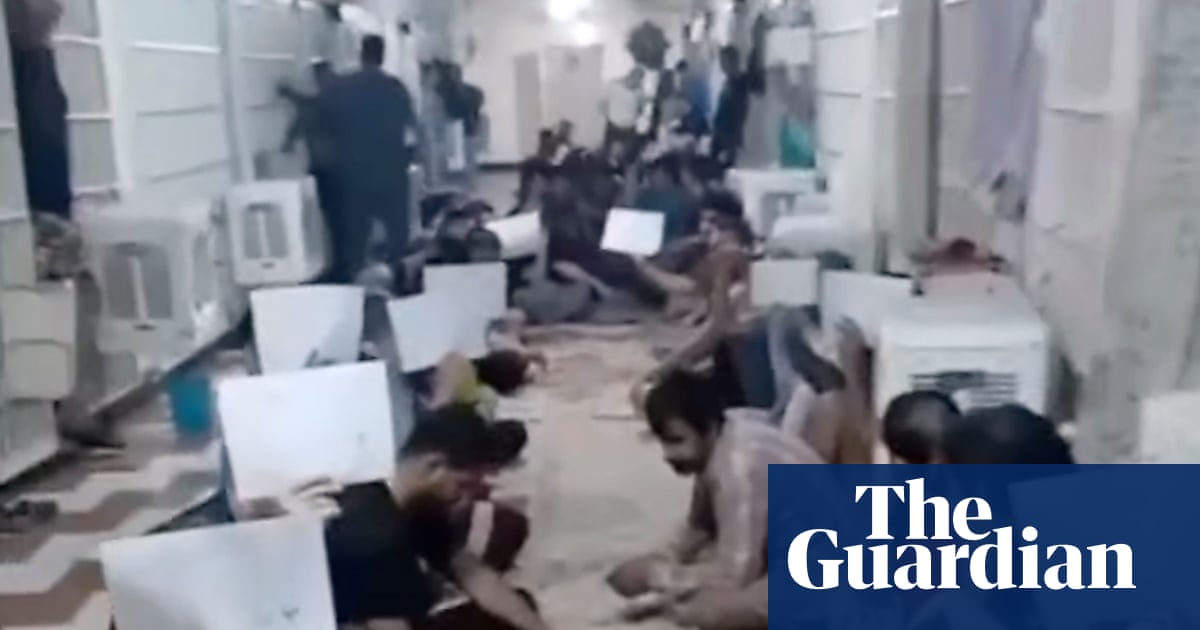
Prisoners at Iran’s largest correctional facility have taken a drastic step in a unified protest against the rise in executions. As part of a mass hunger strike, which has seen the involvement of approximately 1,500 inmates at Ghezel Hesar prison near Tehran, many have resorted to sewing their lips shut to illustrate their desperation. This protest comes amid increased execution rates due to drug-related offenses and issues connected to anti-government demonstrations.
Details of the Hunger Strike
The hunger strike, which commenced two weeks ago, was triggered by the transfer of six men, convicted of drug charges, to solitary confinement in preparation for their executions. Iranian human rights organizations report that participants are not only refusing food but are also using placards to articulate their stance, shouting phrases like “No to Executions” and “Be our voice.” Several videos that have emerged from the prison show the grim reality faced by these inmates, including footage of one prisoner sewing his lips as a means of protest when no prison officials responded.
Another chilling video reveals a prisoner pleading for medical assistance for fellow inmates whose health is declining rapidly. He indicates that guards are preventing access to the prison infirmary, further illustrating the dire conditions faced by those on death row. This form of resistance is a continuation of a broader campaign against the escalating use of the death penalty in Iran, raising questions about human rights standards within the country.
Escalating Violence and Executions
According to the Oslo-based organization Iran Human Rights (IHRNGO), more than 424 executions have occurred in Iran this year, with a significant portion of these being drug-related cases. The Iranian government has intensified its crackdown on individuals protesting against the regime, with two men hanged recently for purportedly “waging war on God” amid the unrest. The organization has noted that specifically, 26 individuals associated with January protests have faced execution this year alone.
Mahmood Amiry-Moghaddam, director of IHRNGO, emphasizes that individuals sentenced to death for drug offenses often represent the most marginalized sectors of society. He argues that the current system underscores the state’s failure to address the root causes of drug trafficking and addiction, instead using execution as a harsh punitive measure targeted at the most vulnerable. This action has gained little international condemnation, and the plight of these prisoners remains largely unacknowledged.
Injustice Through Unfair Trials
The process leading to these severe penalties is fraught with issues, as indicated by human rights groups. Amnesty International points out that Iran’s revolutionary courts typically operate without the independence needed for fair trials. Many defendants face biased proceedings that often lead to unjust death sentences, all while lacking adequate legal representation. This systemic failure disproportionately affects individuals from underprivileged or ethnic minority backgrounds who may face additional hurdles in their quest for justice.
One protester from death row expressed his regret, stating, “We made mistakes out of desperation for basic necessities, yet in no other part of the world is a life taken for a single misstep.” This sentiment is echoed by human rights advocates who argue that the execution of individuals, primarily for drug-related offenses, is an egregious violation of human rights and contradicts Iran’s own legal framework. The outcry for reform remains urgent as rising executions and deteriorating conditions in Iranian prisons continue to resonate with global observers.
As the situation develops, protests have emerged not only within the prison but also outside, where families of the incarcerated have demonstrated in solidarity. However, reports indicate that the authorities have responded violently to these gatherings, further heightening the crisis. The urgent call for international attention and action is clear, as the cycle of injustice continues to unfold in Ghezel Hesar and throughout Iran.