
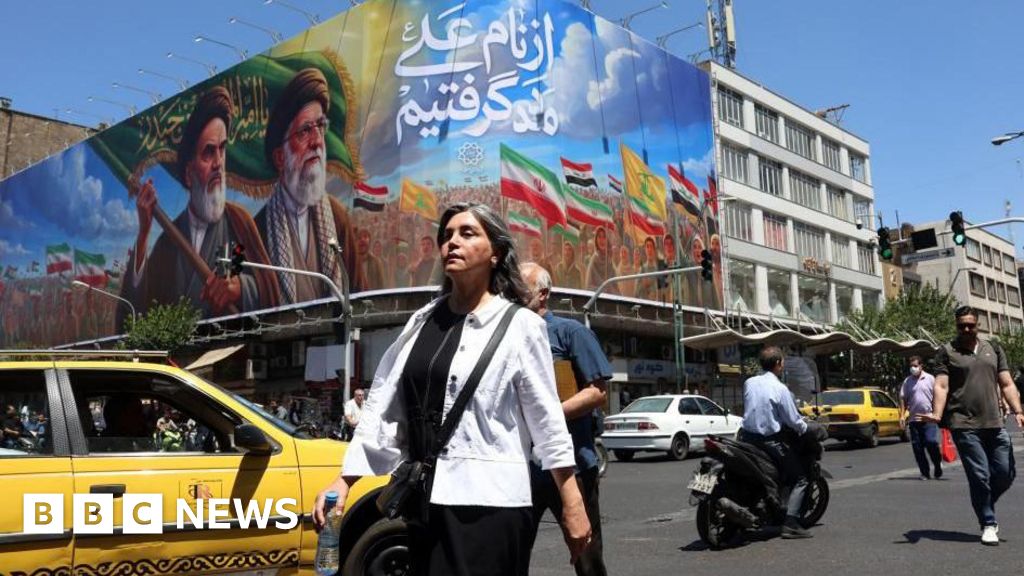
In a significant power shift within Iran, changes in leadership are reshaping the political landscape. The recent transition has seen the emergence of a younger generation of leaders who are prepared to take bold actions in defense of the Islamic regime.
The Rise of Mojtaba Khamenei
Mojtaba Khamenei, the son of the former supreme leader, has quickly ascended to a position of considerable influence. His elevation signals a strategic consolidation of power within the Khamenei family, paving the way for a more unified leadership style. This transition is noteworthy as it represents a move away from the older generation of leaders, who have traditionally exercised caution in their decision-making processes.
The Role of the Islamic Revolutionary Guards Corps
The Islamic Revolutionary Guards Corps (IRGC) continues to play a pivotal role in Iran’s political and military strategy. Recent appointments among its ranks highlight a trend toward younger commanders who are equally as ideologically motivated as their predecessors. However, what sets them apart is their willingness to embrace risk and take decisive action. This newfound boldness reflects their perception of a looming threat to the Islamic regime’s survival, motivating them to adapt their tactics in response to both internal and external challenges.
Ideological Continuity Amidst Change
While the new generation may approach their roles with greater enthusiasm and urgency, they remain grounded in the core ideological principles that have characterized the Islamic leadership in Iran for decades. This continuity ensures that, despite shifts in personnel, the foundational beliefs and objectives of the regime endure. The younger leaders are keenly aware of the ideological landscape and are committed to promoting and preserving the tenets of their governance.
Implications for Iran’s Future
The swift changes in Iran’s leadership dynamics may have significant implications for both domestic and international relations. As younger leaders take charge, their readiness to engage in more aggressive policies could lead to heightened tensions across the region. Observers will be closely monitoring how these shifts influence Iran’s strategic decisions, particularly in regard to its nuclear ambitions and relationships with neighboring countries.
In summary, Iran is witnessing a transformative shift in its leadership, characterized by the rise of Mojtaba Khamenei and a cadre of young IRGC commanders. This new wave of leadership is marked by an ideological commitment to the Islamic regime and an eagerness to confront perceived threats. As the political landscape continues to evolve, the ramifications extend beyond Iran’s borders, affecting geopolitical dynamics in the Middle East and beyond.