
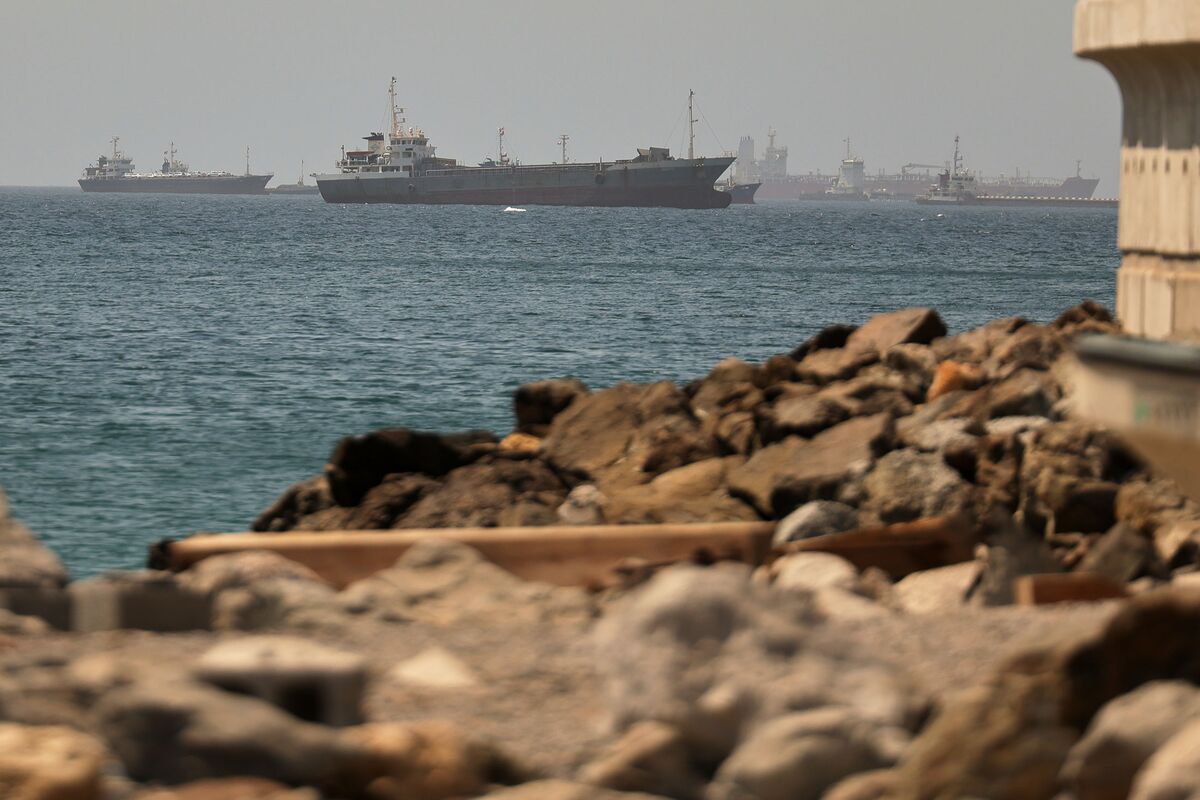
Iran and Oman have announced plans to collaboratively explore options for the future governance of the strategic Strait of Hormuz. This development comes amid rising concerns among traders and shipowners about the potential implementation of a tolling system for maritime navigation in the area.
Future Management of the Strait of Hormuz
The Strait of Hormuz is a pivotal waterway, crucial for global oil transportation, with a significant portion of the world’s crude oil passing through it. Recent discussions between Iran and Oman signal a proactive approach to ensuring the stability and safety of this essential maritime corridor. Both nations recognize that the Strait’s management is key to maintaining international shipping routes and preventing disruptions that could impact global markets and energy supplies.
Economic Concerns for Traders and Shipowners
The potential introduction of tolls for passage through these waters has raised alarm among traders and shipping lines who rely heavily on this route for their operations. The apprehension is rooted in the crucial role that the Strait of Hormuz plays in global trade, specifically in the oil transportation sector. Any toll implementation could increase operational costs, leading to higher prices for consumers and instability in oil markets.
Collaborative Efforts Between Iran and Oman
Iran and Oman have historically maintained strong diplomatic relations, and this new initiative demonstrates their commitment to jointly addressing maritime governance issues. The discussions will likely encompass various factors, including the financial implications of managing the Strait and ensuring efficient and safe transit for vessels navigating this vital passage. By coming together to explore these options, both countries aim to foster a collaborative environment for ongoing maritime security in the region.
The Need for a Stable Transit System
As the world continues to grapple with the complexities of international trade and shipping logistics, ensuring a reliable and stable transit system in the Strait of Hormuz remains paramount. By proactively addressing the management of this waterway, Iran and Oman are taking steps that could mitigate the risks of potential conflicts, piracy, or disruptions that could arise from toll implementation or other regulatory changes. It is essential for both nations to consider the economic impact of any decisions made, as well as the broader implications for global energy markets.
In conclusion, the discussions initiated by Iran and Oman regarding the Strait of Hormuz’s future management reflect a critical step toward ensuring secure and efficient maritime navigation. As the potential for tolls raises concerns within the trading community, the collaborative efforts of these nations may pave the way for more harmonious maritime governance in this strategically important region. The outcome of these talks will likely shape not only regional stability but also the global economy, underlining the importance of cooperation in maritime affairs.