
The geopolitical landscape surrounding oil trade influences global economies, and recent developments suggest that Iran’s oil exports are being effectively curtailed by U.S. policies. This disruption not only targets Iran but also raises concerns about potential ripple effects in the Gulf region, impacting other oil producers and consumers worldwide.
Impact of the Strait of Hormuz on Oil Exports
The U.S. has intensified its efforts to restrict Iran’s oil trade through the critical Strait of Hormuz, a crucial waterway for global energy transportation. Meanwhile, the recent drone assault on Saudi Arabia’s East-West Pipeline highlights vulnerabilities. This pipeline, which previously facilitated the flow of approximately 2.6 to 4 million barrels of oil daily to the Red Sea, could be out of action for weeks as repairs are undertaken. Such disruptions threaten a broader economic impact, indicating that while one pathway may be secured, alternatives face escalating pressures.
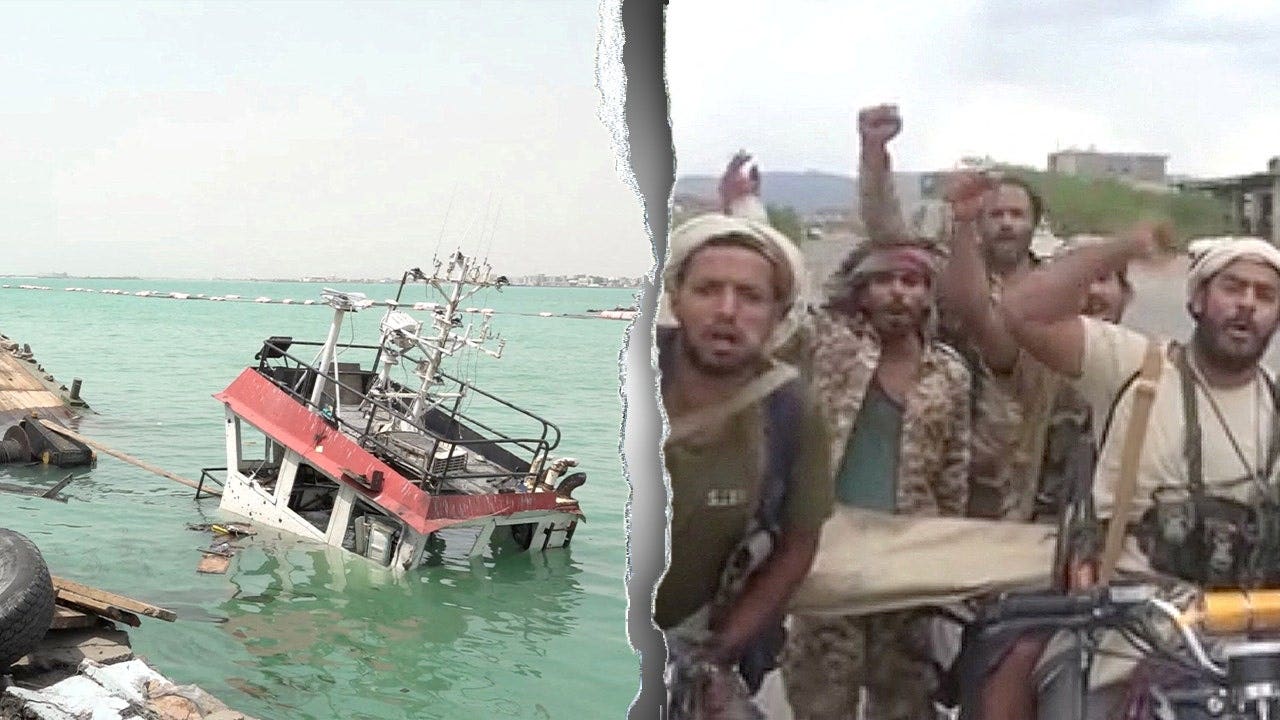
In tandem, Iran-supported Houthi rebels have expanded their control in and around the Bab el-Mandeb Strait. This vital passageway links the Red Sea to the Gulf of Aden and has already been under scrutiny due to years of extensive attacks. With Houthis solidifying their position, there’s growing apprehension that a major shipping lane could be significantly impacted. The addendum of potential vulnerability across diverse routes poses an anxiety for global markets, as oil prices fluctuate under these uncertain conditions.
Effects on Global Oil Prices and Consumer Costs
The repercussions of these geopolitical tensions are already felt in the U.S., where diesel prices surged to a staggering national average of $6.23 per gallon, with regular gasoline hitting a notable $4.32. Such spikes highlight how developments affecting oil supplies overseas directly influence domestic fuel costs, burdening consumers with higher prices. Brent crude oil prices recently peaked at around $110 per barrel, magnifying concerns about sustained economic pressures.
As the constraints on Iran’s oil exports deepen, the broader conflict involving Iran-backed militias escalates tensions not only in the immediate region but also in global markets. While the U.S. government has made strides in diminishing Iran’s oil production and trade capabilities, the ongoing unrest casts doubts on energy security and availability, thereby driving price increases. Analysts suggest that this situation could set the stage for a significant economic challenge for both the U.S. and global economies.
Iran’s Economic Landscape and Future Prospects
The economic squeeze on Tehran is palpable, with Iranian crude export volumes dwindling from 2 million in March to around 220,000–255,000 daily barrels in August. This stark decline illustrates the extent of the disruptions due to sanctions and regional conflicts. The Iranian regime’s capacity to navigate this economic turmoil is waning, especially as its trade with vital partners like the United Arab Emirates becomes increasingly restricted.
While sanctions initially aimed at damaging Iran’s oil sales have been successful, questions linger over whether the existing pressure will compel a policy shift from Tehran. Some experts argue that while Iran may continue to absorb economic strain for a period, the imminent risk is escalating into a shortage of essential supplies. The situation presents a critical juncture where Tehran must evaluate its options: either concede to U.S. demands or find alternative pathways to sustain its economy.
In essence, the current oil conflicts underscore a dynamic interplay of geopolitical strategies. Iran’s tactics and pressures exerted on other nations could carve a complex future for energy markets. While the Iranian regime seeks to maintain control and navigate the restrictions, the costs to both Tehran and global consumers will likely dictate the course of negotiations ahead. As the situation continues to unfold, the interplay between military actions and economic ramifications will remain crucial in shaping the global oil landscape.