
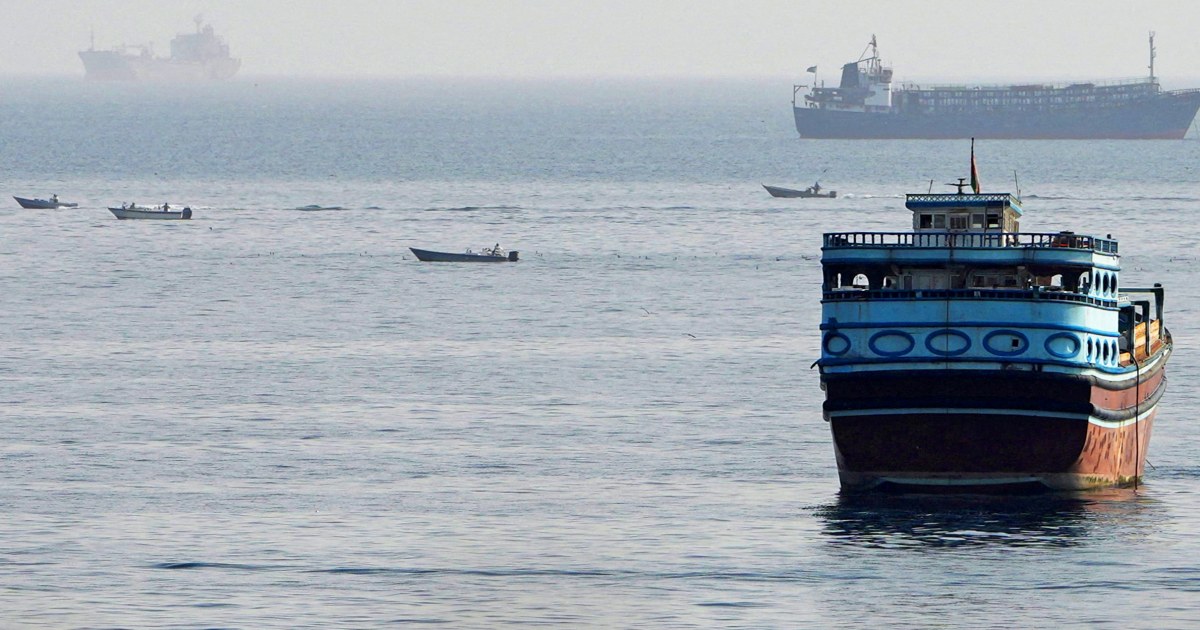
Iran has recently indicated that it is nearing an agreement with Oman regarding the control of the vital Strait of Hormuz. However, officials noted that such a deal may not fully ensure the free passage of ships through this essential waterway. Meanwhile, the United Arab Emirates (UAE) has reported that Iran launched an attack on a vessel in the region, escalating tensions further.
The Importance of the Strait of Hormuz
The Strait of Hormuz is a key conduit for global oil and gas shipments, with approximately one-fifth of the world’s energy supplies transiting through it. A U.S. official expressed optimism last week, suggesting that a resolution between Iran and Oman could be forthcoming. The aim is to reinstate normal oil traffic in the area, which has been severely disrupted due to recent hostilities. The complexities surrounding any agreement are considerable; officials emphasize that factors such as U.S. compensation to Iran and security frameworks need to be addressed.
Iran’s Foreign Minister, Abbas Araqchi, stated that while negotiations are advancing, reopening the strait hinges on additional conditions. The previous traffic guidelines are no longer acceptable to Iran, and discussions are ongoing about establishing a temporary shipping route while permanent solutions are devised. The current climate of uncertainty stems from ongoing military actions; Iran has retaliated against U.S. installations and maritime vessels, raising concerns over the safety of commercial shipping lanes.
Implications for U.S.-Iran Relations
The U.S. has signaled that it might ease its blockade on Iranian ports once an agreement is finalized. Such actions, however, would be contingent on Iran fulfilling its obligations under any newly formed arrangement. A senior U.S. official acknowledged recent advancements in talks between Oman and Iran, which could pave the way for unhindered commercial activities.
However, the fears remain that U.S. interference may complicate these negotiations. Iran’s Revolutionary Guards reiterated that the reopening of the Strait relies on Washington recognizing its stipulations and refraining from meddling in regional discussions. Their spokesperson stated that a resolution could be achieved once the U.S. acknowledges Iran’s terms, setting the stage for a potentially complicated diplomatic process.
Potential Concessions and Regional Security
Reports indicate that a prospective agreement could grant Iran a degree of control over the maritime traffic entering the Gulf through the strait. U.S. officials have expressed firm opposition to conceding access to this crucial route, emphasizing the importance of maintaining free navigation. Yet, Iran can leverage its current militaristic posture to justify imposing fees on tankers, complicating shipping operations and affecting global energy prices.
Since the onset of the conflict, entities like the Abu Dhabi National Oil Company claim to have faced “unprovoked attacks” on several of their vessels. These incidents have not only resulted in casualties but have also heightened fears of disrupted shipping routes. Iranian media often reflect these tensions, framing them as responses to violations of Iranian authority, further adding to the volatility of the situation.
In summary, while negotiations between Iran and Oman are reportedly progressing, the broader implications for international maritime safety and U.S.-Iran relations remain fraught with challenges. The dynamics surrounding the Strait of Hormuz will be closely monitored by policymakers and analysts alike, as any miscalculation could significantly impact global energy supplies and regional stability.